

I didn’t always see it this way, but a civilization lives or dies by its cultural literacy.
An educated population thrives, a miseducated one dies.
That’s why the Great Books were once central to education — they stabilize civilizations.
Today, they’re no longer taught how they should be. These books are either ignored, or dismissed as oppressive.
And in many cases, when people do try to read them, they discover a harsh truth:
Just “reading books,” alone isn’t enough.
One of the greatest lies of modern education is that wisdom is something you can acquire in isolation.
Our idea of wisdom today is productivity:
Read enough books
Watch enough lectures
Consume enough information
And somehow, eventually, you’ll become wise… but this is not how wisdom was ever transmitted!
Modern education teaches you productivity, but it doesn’t teach you how to cultivate your soul.
You may have tried to do this independently — picked up War & Peace or Brothers Karamazov — got confused, intimidated, and gave up after a few chapters.
The tragedy is, these books can be appreciated by anyone, but you have to learn how to read them.
How then, did earlier civilizations form human beings? How did we teach people to read the Great Books? More importantly, how did we cultivate virtue within the soul?
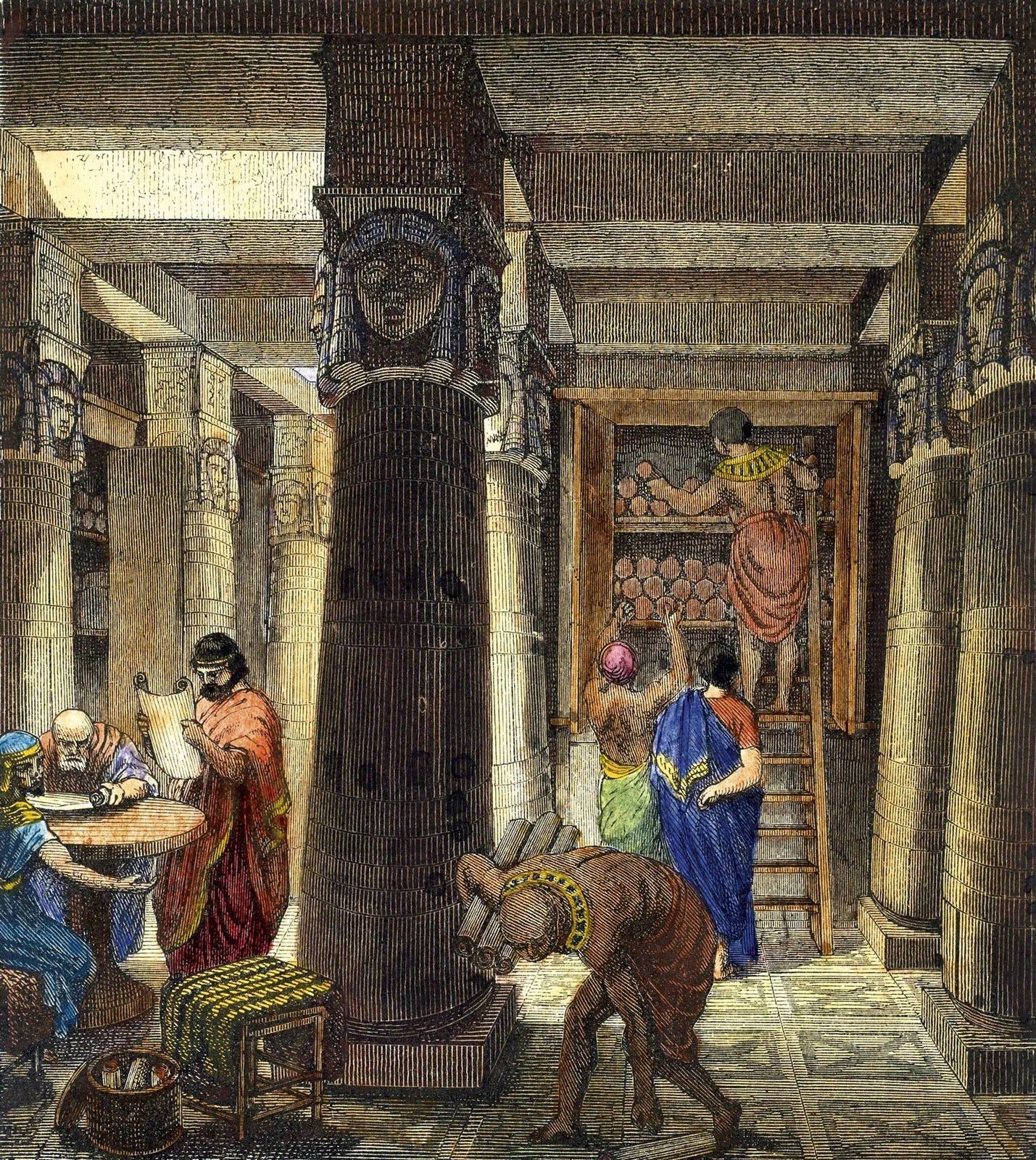
Ultimately, Western Civilization was not just built on information, but communities of formation:
Medieval universities immersed students in the classics
Monasteries preserved centuries of learning and scholarship
Ancient academies formed philosophers in communities of study
You can trace this all the way back to Ancient Greece:
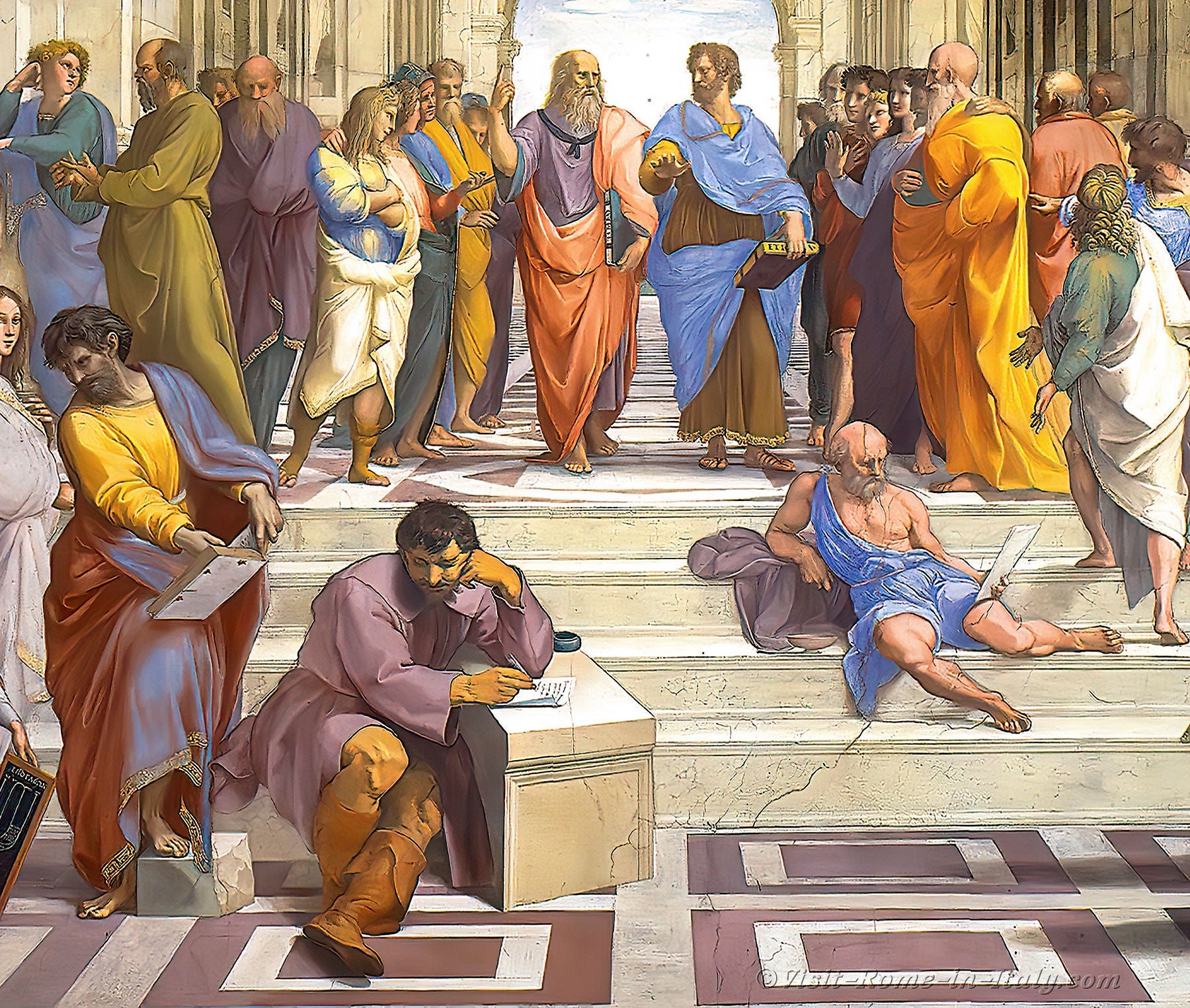
Plato founded his own Academy
Aristotle founded the Lyceum
And both of them had mentors:
Plato studied under Socrates
Aristotle studied under Plato
In other words, human genius was never formed in isolation. By necessity, the greatest minds of Western Civilization required teachers, dialogue, friendship, correction, and intellectual community:
Wisdom has always been relational.
Tragically, this is what our modern culture has lost.
Today, we’re no longer immersed in the Great Books. Formative study has been replaced by endless streams of fragmented “content,” broadcast through our phones. Rarely do you find a serious community dedicated to truth, beauty, virtue, and the cultivation of the soul.
In short, we find ourselves drowning in information, but starving for wisdom…
My own journey through the great books taught me this.
In university, I was lucky enough to be personally mentored by a few incredible professors whom I’m forever indebted to.
Through them, I was shocked to discover how many of the deepest crises of modern society had already been wrestled with in the Great Books.
Indeed, many of today’s deepest problems are not new. The Great Books wrestled with these same questions millennia ago.
As CS Lewis once quipped in Narnia:
“It’s all in Plato, all in Plato: Bless me, what do they teach them at these schools?”
Indeed, it’s all in Plato, and all the Great Books. And with the proper guidance, these books begin to open themselves to you.
That is why I became involved with the Athenaeum Book Club.
Every month, thousands of readers work through the great books of Western Civilization together — entering into “the great conversation,” together.
But what makes Athenaeum unique is not simply the reading list. It’s the combination of serious mentorship and genuine community.
As the club’s primary lecturer, I guide you through these works as we read them, helping provide the historical, philosophical, literary, and theological context that makes these texts come alive.
At the same time, you’re reading these books alongside me and a vibrant community who are rediscovering the wonder that first gives rise to philosophy itself.
In many ways, Athenaeum is my attempt to create the kind of Great Books education I wish I had growing up.
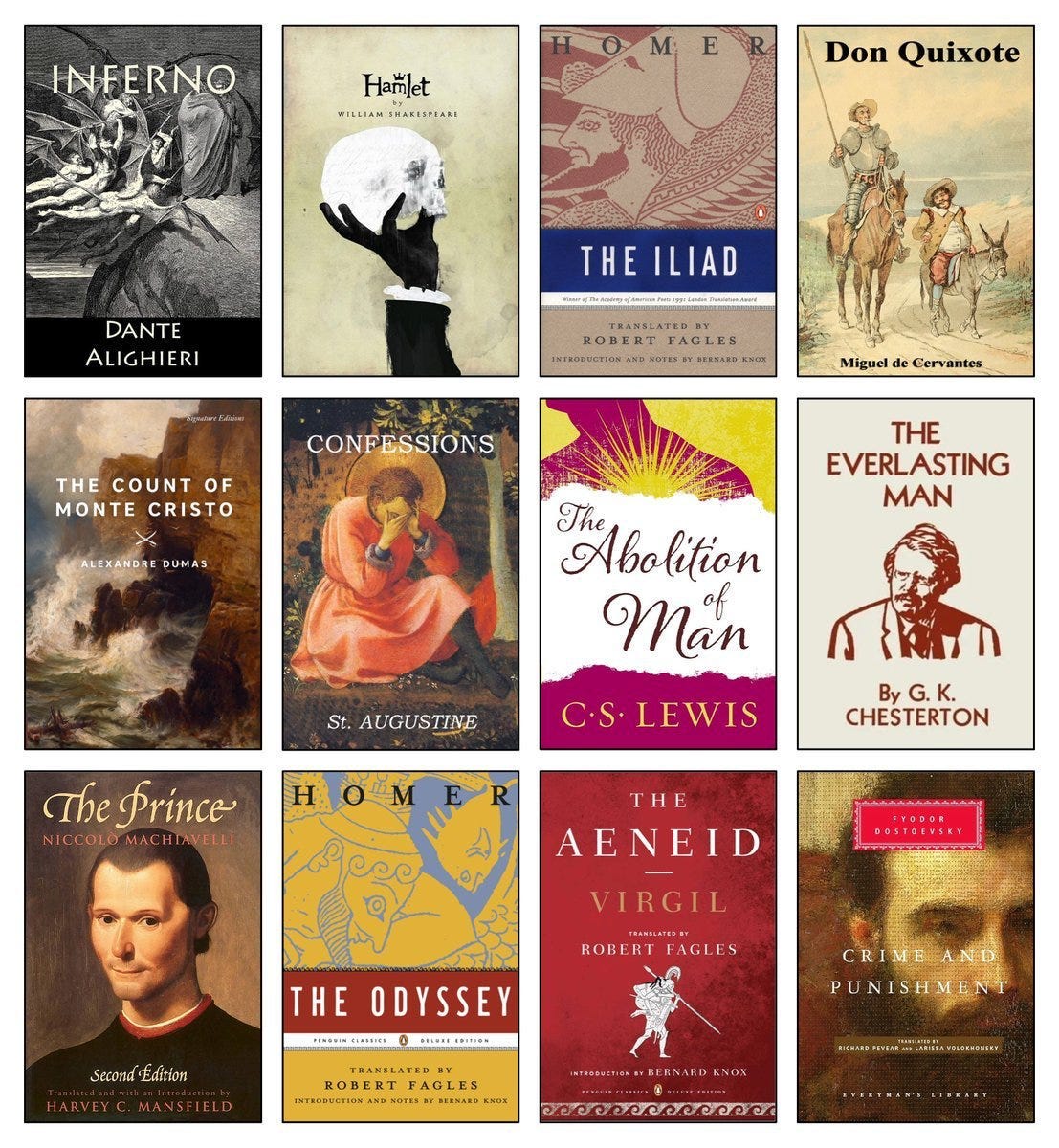
These are the books we’ve read so far (we’re currently reading Crime & Punishment):
I genuinely believe communities like this matter.
Civilizations are not preserved automatically. They survive when people intentionally transmit their inheritance to the next generation: its stories, its philosophy, its theology, its moral imagination, and its understanding of what it means to live well.
That transmission has always happened through teachers, communities, and shared pursuit of truth.
That is what Athenaeum exists to help recover.
If you’d like to join us, you can become a paid member below. Paid members receive:
• Access to live biweekly discussions and recordings
• Guidance and teaching through the great books
• Access to the private reading community
• Essays and reading guides for each text
• Full access to the archive of articles and podcasts
• Voting rights on future readings
Athenaeum is entirely reader-supported.
If you want to pursue the great books seriously alongside others seeking wisdom and truth, we’d love to have you join us.
Terrific piece, thank you Sean. I did not have very much exposure to the Great Books in college. I came to them on my own over time. I am enjoying your lectures very much. I came to Athenaeum when we did Odyssey and Aeneid. I had already read them but I took in some new concepts, hospitality for one. Crime and Punishment was new to me and I’m enjoying the discussions. I came to Substack for ideas and conversations that cause me to think about differently and that defines Athenaeum for me. I’m in the right place
Our son graduated from St Johns College, Annapolis, and he studied the great books. He loved the exposure, learned Greek and did well. I’m going to love this. Thank you!