

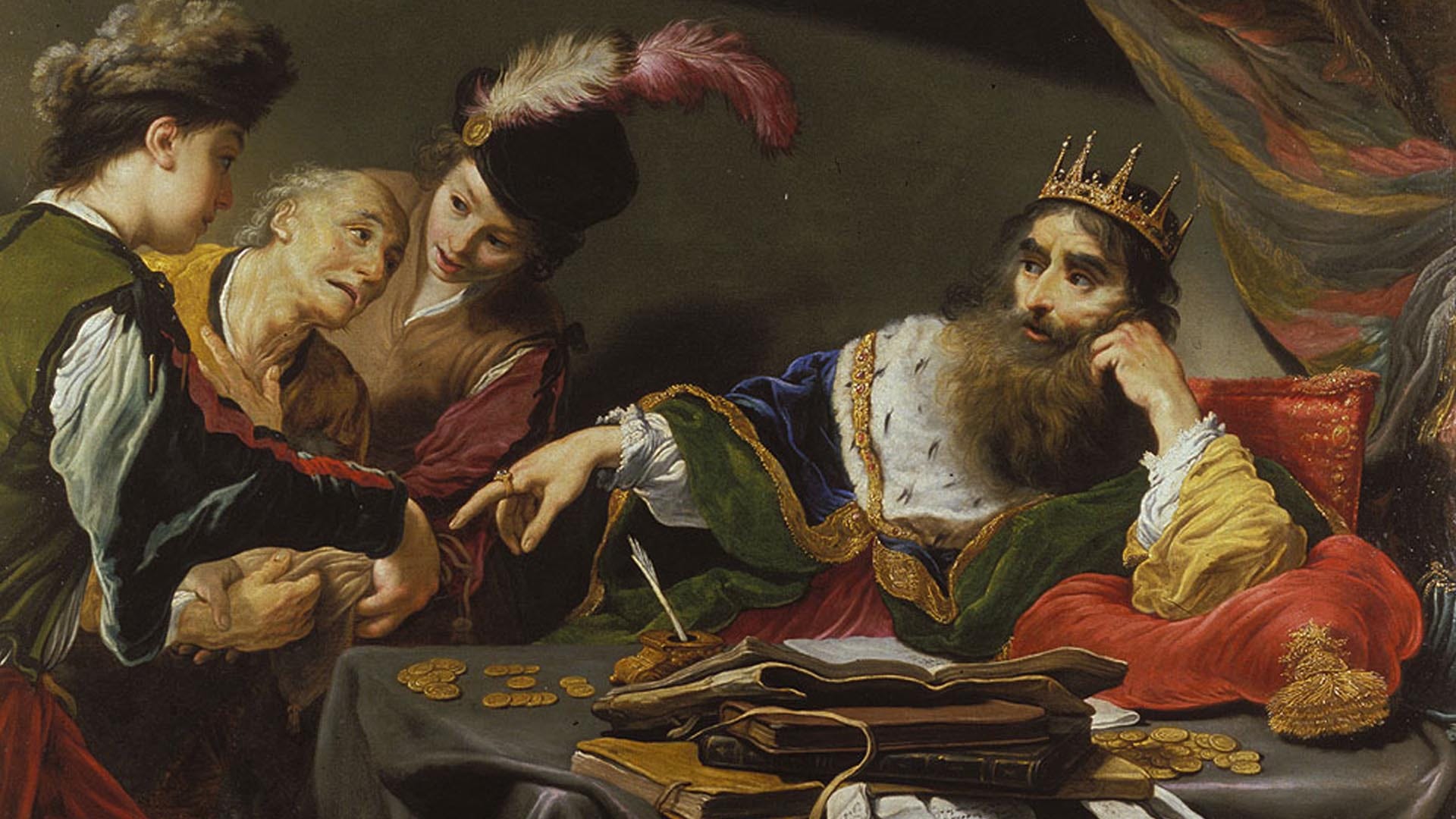
The Lydian King Croesus was once thought the happiest man in the world.
He spent a lifetime conquering his opponents and expanding his empire, and became one of the wealthiest human beings in history. His name became synonymous with riches, and his kingdom helped pioneer the widespread use of standardized coinage in the ancient Mediterranean.
In short, few men knew power, fame, and affluence like Croesus.
And yet, the Greek statesman Solon saw it differently.
When Croesus invited the famed law-maker to his palace, he asked Solon if he considered him the happiest man in the world.
Solon’s reply was solemn:
“Count no man happy until he is dead.”
Croesus took this as an insult, and banished Solon. Tragically, his empire would later crumble, marking one of the greatest dynastic collapses in all of antiquity.
Here’s what happened, and what Solon tried to warn Croesus about the human condition and true happiness.
I offer private mentorship in the Great Books for those seeking clarity of vision and depth of soul. Inquire here.
If you’d like to support this work and receive future writings, you can subscribe below.
The Famed Lawmaker
Before we get to Croesus, we must first begin with Solon. History celebrates him as one of the seven sages of Ancient Greece.
Why was he celebrated for his wisdom?
Because he introduced reforms that saved Athens from civil war.
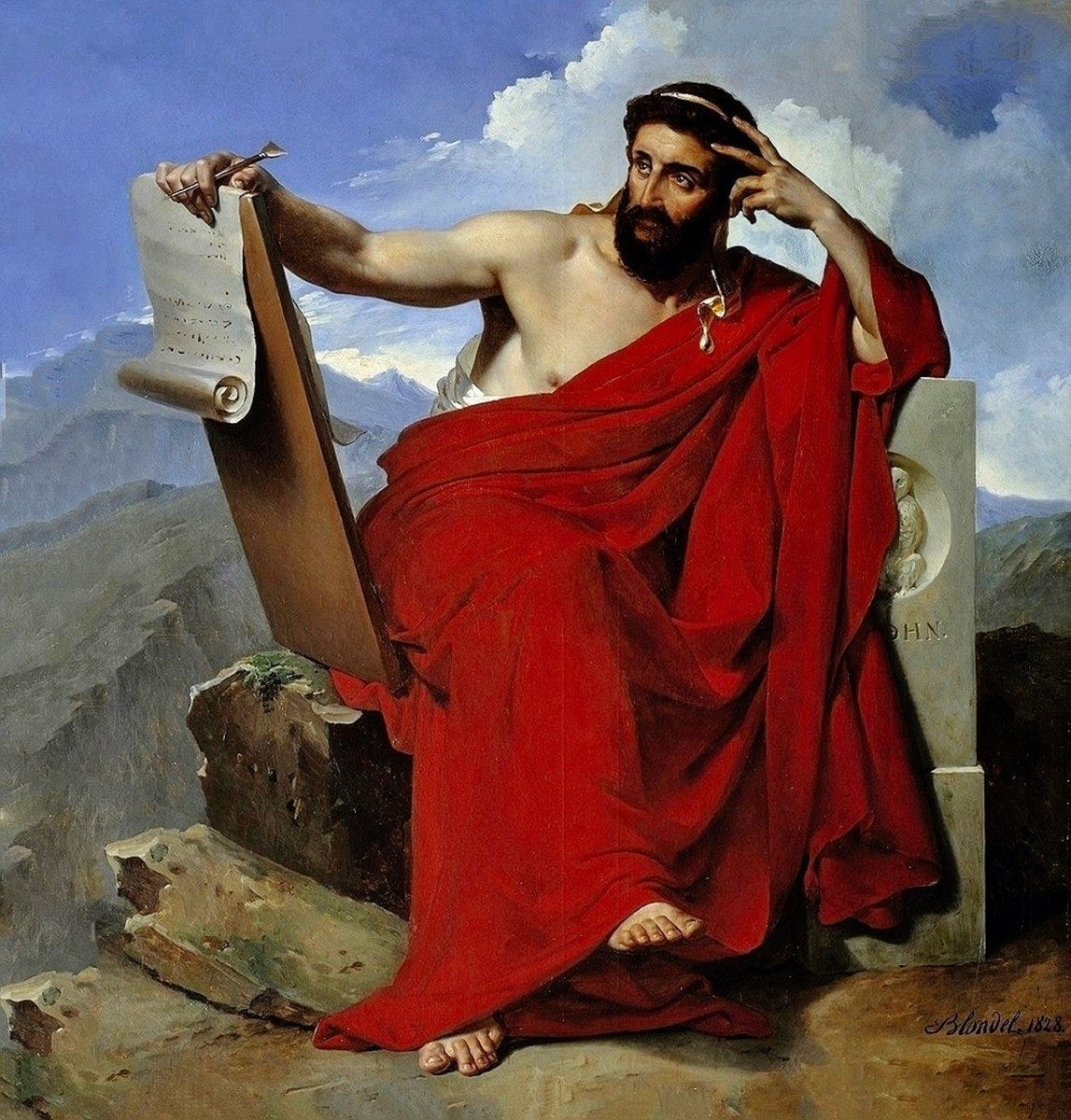
In Solon’s time, Athens suffered from severe wealth inequality. Farmers were indebted, if not enslaved, to the aristocratic class, with no means of social mobility. There was widespread resentment and civil discontent — a hostile environment through and through.
Yet Solon was uniquely fit to solve this political crisis. He had a “foot in both camps,” as an aristocrat who rose to power off of popular support.
As such, Solon passed sweeping reforms that introduced debt forgiveness and greater representation of the working classes. Yet he wasn’t merely a populist — Solon also respected the interests of the aristocrats, and protected their core properties and interests as the entrenched ruling class.
The wisdom of Solon then, wasn’t merely shrewd policy making, but a wisdom that transcended factional interest of political parties to discern a universal sense of justice — one that saved Athens from civil war.
In hindsight, his reforms didn’t lead to immediate lasting change, but historians reconcile Solon’s laws as the seeds of Athens’ golden age, and the beginnings of democratic rule of law.
This alone makes Solon, properly, one of the “Seven Sages,” of Athens. And yet his most legendary life-experience has yet to come.
A Meeting With Royalty
After completing these reforms, Solon left Athens to travel the Mediterranean, while the people pledged to practice his laws for at least 10 years.
Solon’s travels took him through the known world, most famously to Lydia, ruled by none other than King Croesus — the richest man alive. It should be noted that this meeting is told by Herodotus, and is largely believed to be legendary, but the wisdom of this narrative has lasted the test of time for good reason.
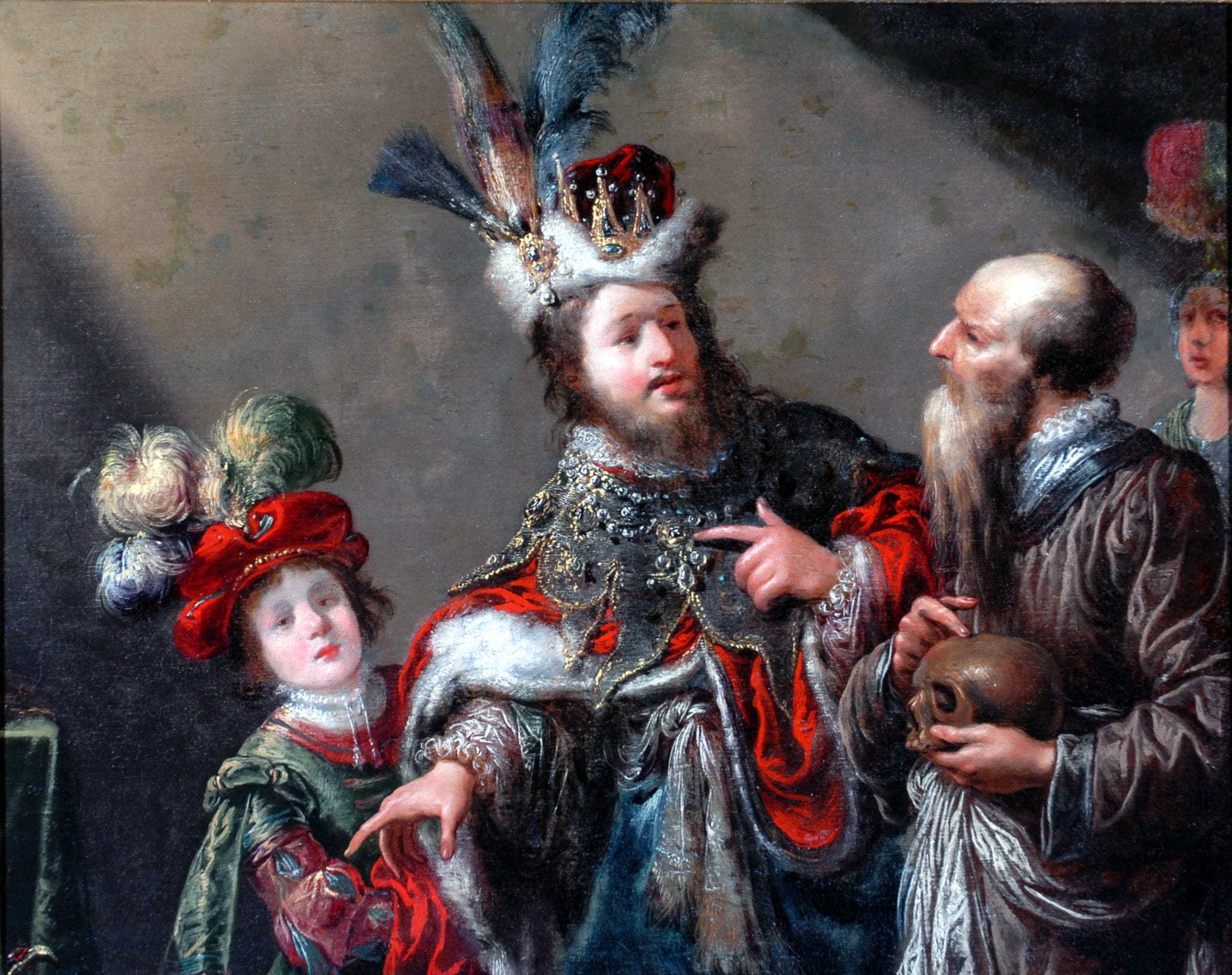
As established, Croesus was the most powerful man in the world. He introduced Solon with welcome arms, and showed him around his palace. He expected Solon to be impressed, and then asked the statesmen who he figured to be the happiest man in the world.
To Croesus’ chagrin, Solon did not name him, rather three Athenian citizens. All of them lived noble lives, saw their city prosper, and died glorious deaths protecting their kinsmen. An outraged Croesus was offended, but Solon expanded on his reasoning:
“I see that you are wonderfully rich, and the lord of many nations… but I have no answer to give until I hear that you have closed your life happily. Assuredly, he who possesses a great store of riches is no nearer happiness than he who has what suffices for his daily needs.”
At first glance, one might suspect that Solon is suggesting, “money doesn’t buy happiness,” but that’s not quite right. His explanation concludes with a jarring finish:
“You should count no man happy until he is dead.”
At this point, Solon recognizes wealth is important for a good life, yet his conclusion seems to suggest that life itself is miserable — that the only true happiness is a death that ends life’s sufferings.
But this is not the case at all. Solon is actually drawing from a wisdom that will become a core truth of the humanities, teaching us an essential lesson about human nature and how one is to capture true happiness.
Oh Solon!
Solon’s meaning is best understood if we look at the reasoning of his three happiest men:
All were Athenians who lived noble lives and died in honor defending their loved ones.
His point is not that death brought them happiness, rather their life was lived in virtue, and ended in virtue. His moral lesson is a tragic tone of sobriety about the nature of fate:
Fortune is fickle, and even the wealthiest man can suffer its twists and turns, ending his life in misery…
Croesus, offended by Solon’s words, kicked him out from his palace… yet he would later come to regret this.
As told by Herodotus, the Lydian king would soon suffer grave misfortunes — his son would die, his empire would be conquered by Cyrus of Persia, and he was sentenced to death via flames on a funeral pyre.
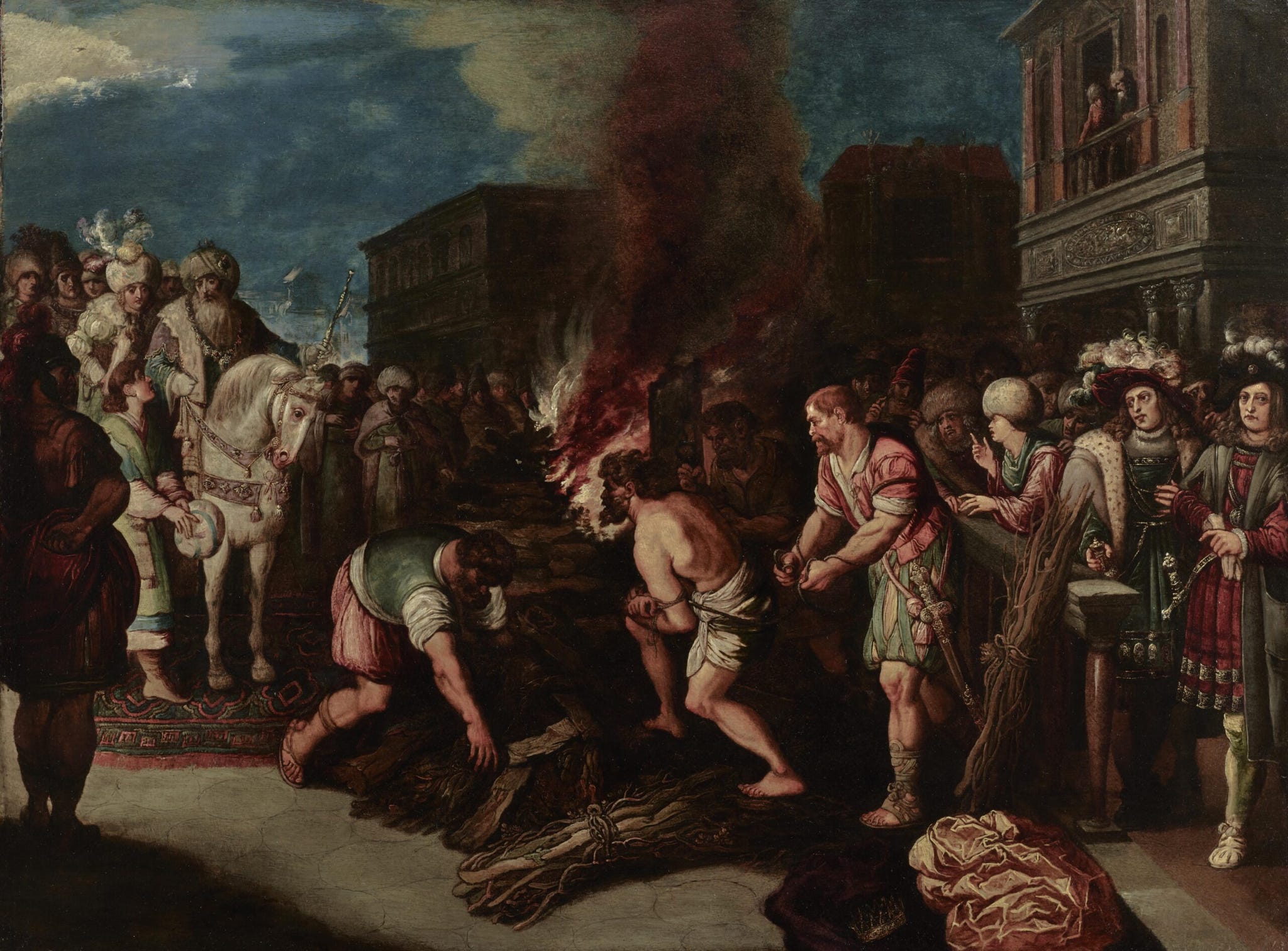
Reportedly, his last words as the flames crept in were “Oh Solon…!”
It was a grisly, unfortunate end for a king… except it wasn’t.
Cyrus, upon hearing this name, spared Croesus and inquired about who this Solon character was. Croesus shared Solon’s wisdom, and an impressed Cyrus took Croesus in to be his advisor thereafter.
The implication is Solon’s wisdom helped guide Cyrus to be the wise, virtuous, and powerful ruler he’s celebrated as today. A virtuous king knows to count no man happy until he is dead.
Again, this story’s literal occurrence is contested, but history has preserved Herodotus’ account as insightful and revealing a core truth of the human condition. Moreover, Solon’s philosophy was taken seriously by the Greeks themselves.
The ancient playwrights — Aeschylus, Euripides, and Sophocles — were famous tragedians whose works all expressed Solon’s wisdom. Their plays taught that fate rules all, and that existence is tragic, and indeed, you should count no man happy until he is dead… for in such restraint is a wisdom to navigate life’s sufferings.
Such plays helped fuel the imaginations of Socrates, Plato and Aristotle, who marked the beginning of the practice of philosophy as we know it today.
The Legend Lives On
So Solon’s story is legendary for a variety of reasons:
His reforms showed the prudence that helped birth democracy.
His travels helped mankind discern what virtuous rules of kings looked like.
And his famous warning “count no man happy until he is dead,” teaches you the core truth of the human condition — human life (at least prior to the Christian promise of salvation), is inherently tragic.
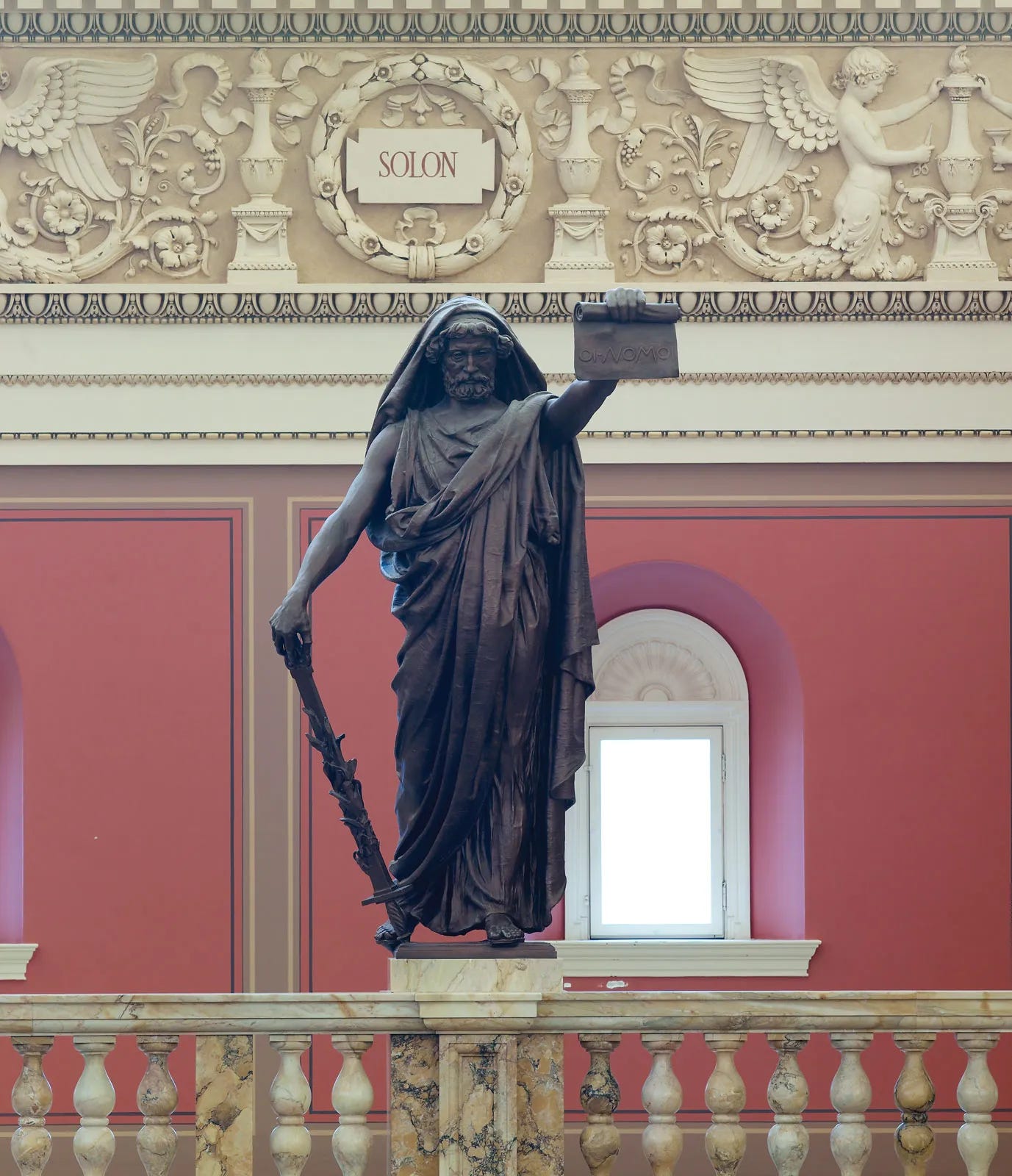
The first path to wisdom — and happiness —- is a humility that grapples with the tragedy of life head on. But, stunningly, to wrestle with this suffering is what precisely fuels a meaningful life. It’s a paradox — that happiness is the byproduct of toiling nobly in accordance with virtue, despite one’s pains and burdens.
Solon stresses that the happy man is not he who is prosperous in the world, but he who is of a virtuous character who dies in glory on behalf of his country.
The wisdom of the good life then, in totality, asks of us a certain humility. The humility to die well in accordance with virtue… as such a death is the only path to true glory, and true happiness.
I offer private mentorship in the Great Books for those seeking clarity of vision and depth of soul. Inquire here.
If you’d like to support this work and receive future writings, you can subscribe below.
A great lesson for us all.
I remember reading that Plato’s account of Atlantis was learned from Solon who heard it from the Egyptians.