

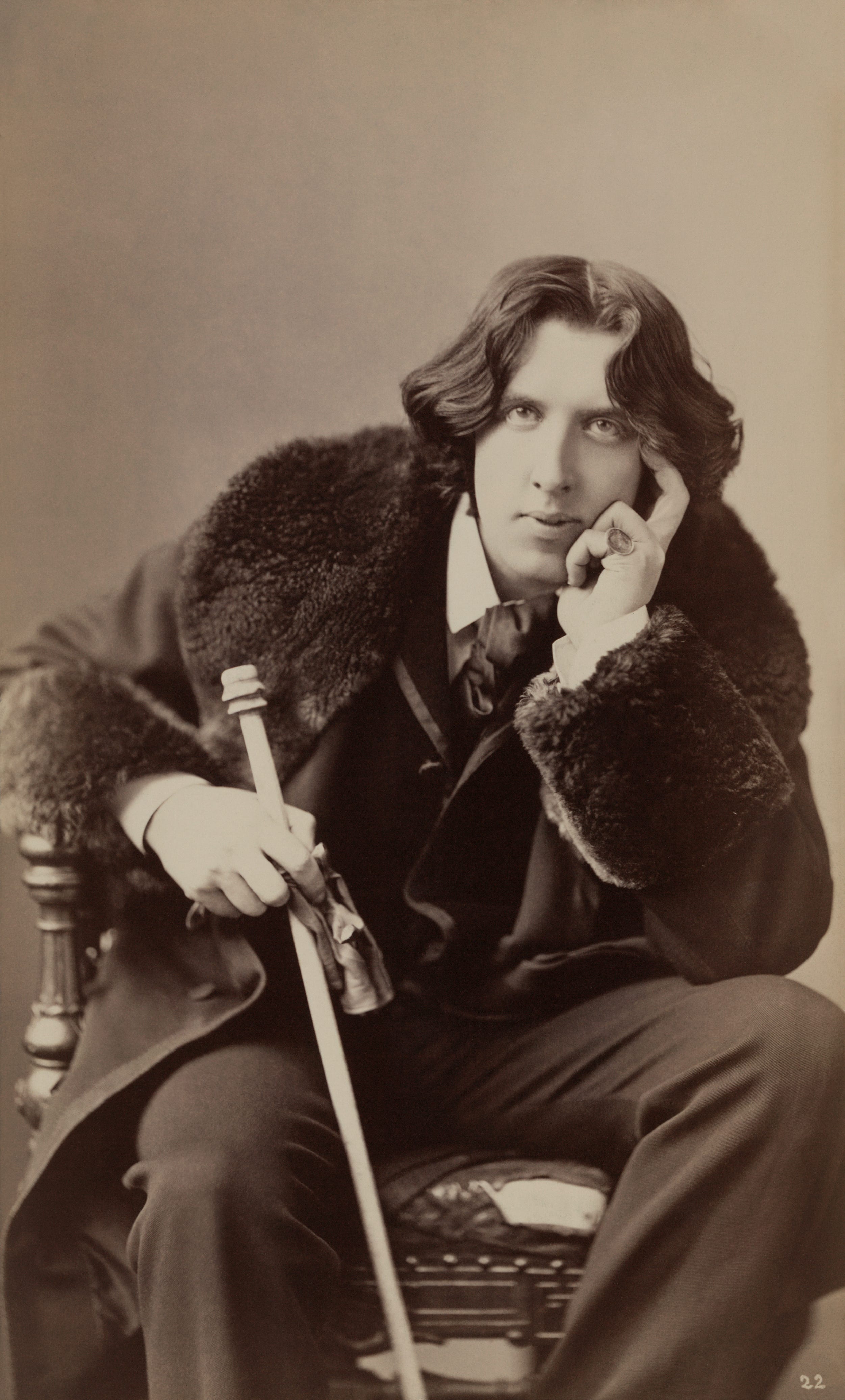
Very few men loved beauty like Oscar Wilde. History celebrates him as a romanticized but tragic rebel and defender of beauty — England’s literary “rockstar,” who revolted against the stifling and austere Victorian Era that stifled human freedom.
His masterpiece was The Picture of Dorian Gray, a novel that espoused his life philosophy which celebrates beauty by any means.
The novel caused great scandal for its romanticization of pleasure, indulgence, and vice — and eventually it contributed to Wilde’s downfall — but it’s since lingered on as a beloved and celebrated work to this day.
In a nutshell, Dorian Gray asks “what does it mean to live a beautiful life?” and “can beauty alone lead you to prosperity, happiness, and fulfillment?”
Surprisingly, the answer is far darker than you might imagine. In a stunning twist, Oscar Wilde, the infamous “worshipper of beauty,” warns us that the very worship of beauty will lead you to ruin.
Here’s what Oscar Wilde warns about beauty, how it can become dangerous and destroy you, and what a true and virtuous love of beauty actually looks like.
I offer private mentorship in the Great Books for those seeking clarity of vision and depth of soul. Inquire here.
If you’d like to support this work and receive future writings, you can subscribe below.
God-like and Innocent
The Picture of Dorian Gray follows protagonist Dorian Gray.
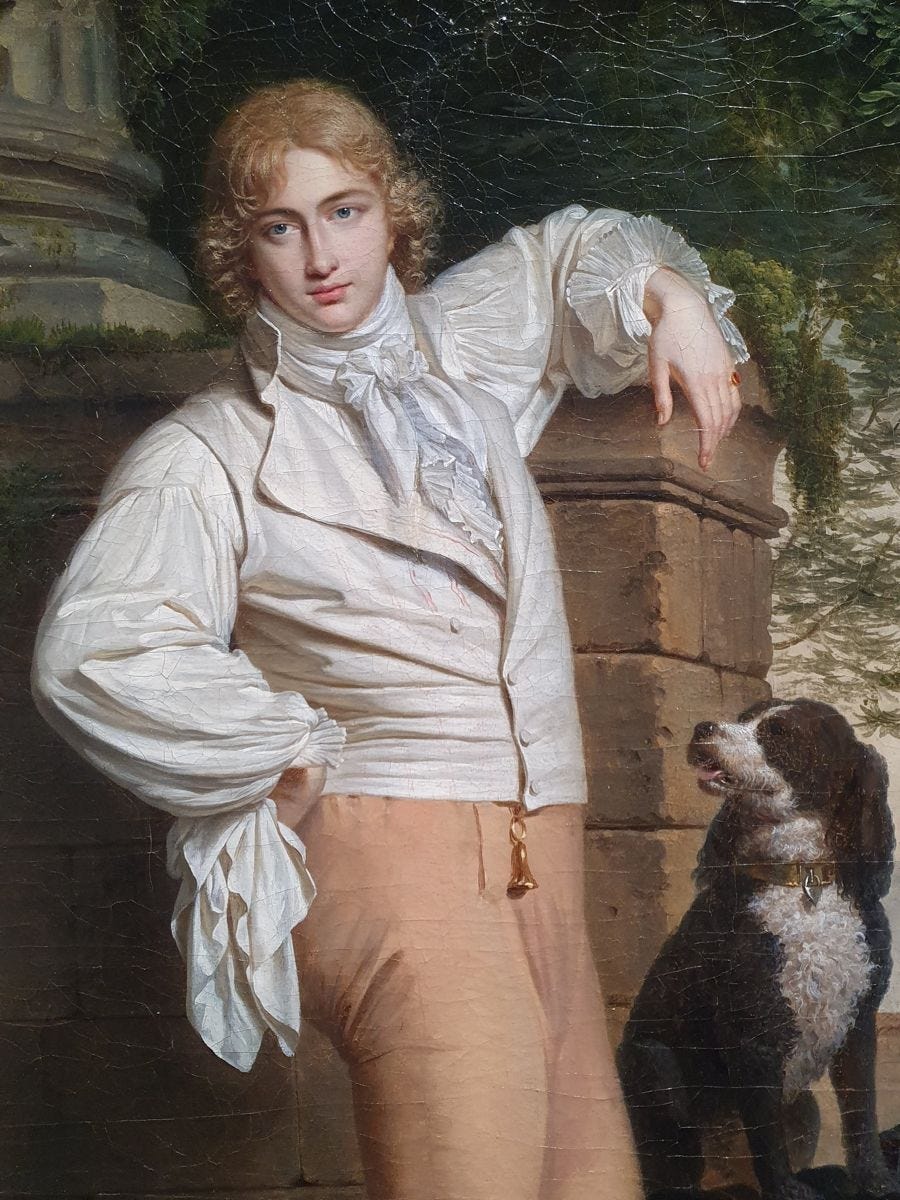
He’s introduced as a handsome and aesthetically beautiful man. In fact, Dorian’s close friend Basil compares him to Antinous — a young man from antiquity who was deified for his masculine beauty.
Wilde is stressing that Dorian is more than handsome, but an object of worship in a contemporary England society that had stifled beauty, aesthetics, and man’s natural creative impulses.
Just as important is Dorian’s innocence. Friends remark that his face is placid and tranquil, as if not a single troublesome thought has ever entered it.
However, everything changes when Dorian meets an infamous friend, Lord Henry, who has a dangerous life philosophy.
When Dorian hears it, he’ll be corrupted.
The Fall From Grace
Lord Henry is a modern day sophist.
He has no regard for truth, ethics, or virtue — rather he’s decadent, a firm lover of pleasure, and a soundly gifted rhetorician.
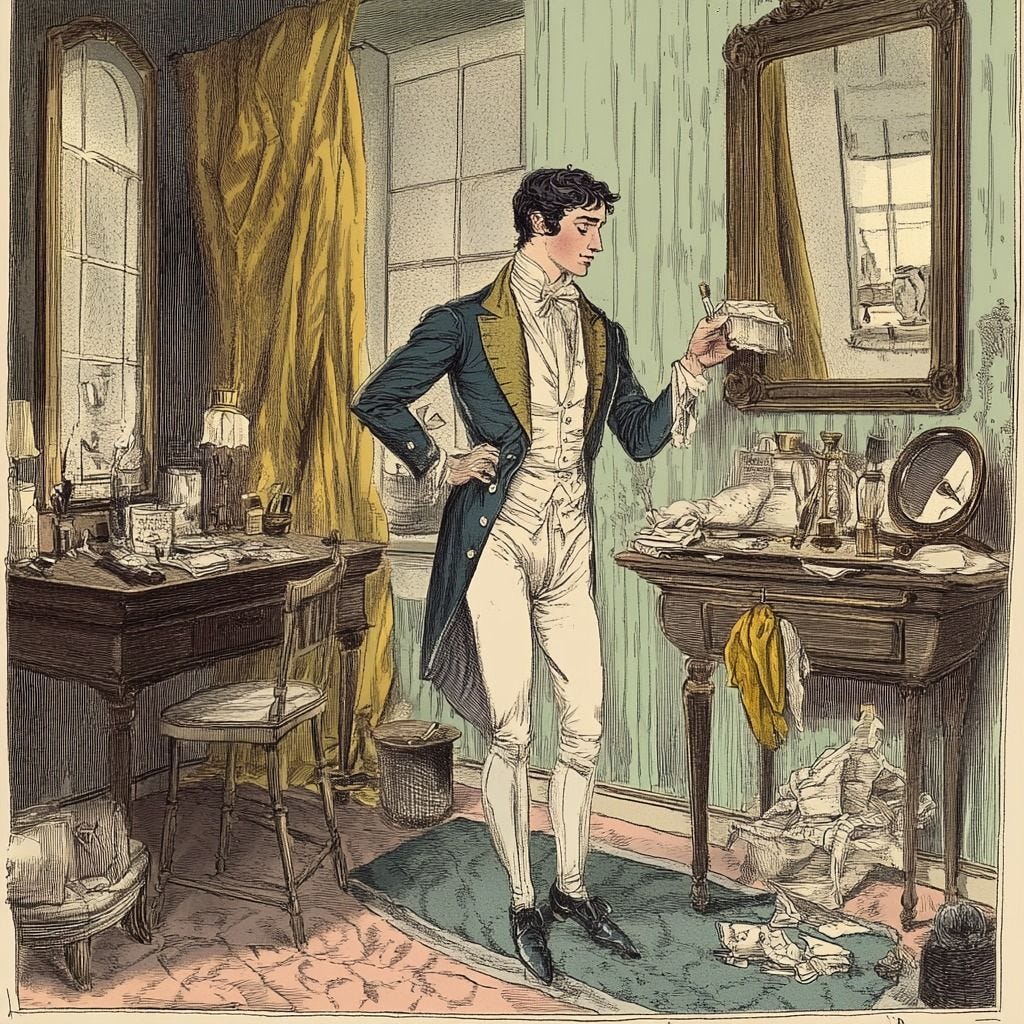
Upon meeting Dorian, and fawning over his beauty, Henry shares with him his life philosophy:
“The aim of life is self-development. To realize one’s nature perfectly…
I believe that if one man were to live out his life fully and completely, were to give form to every feeling, expression to every thought, reality to every dream -– I believe that the world would gain such a fresh impulse of joy.”
And why exactly does Henry say we should embrace spontaneous lives of hedonism, pleasure, and personal expression?
It’s not just because he thinks pleasure is an end itself. Rather he thinks that personal expression of desires attunes one to the highest form of life itself, which is Beauty alone:
“Beauty is a form of Genius — is higher, indeed, than Genius, as it needs no explanation”
These statements are made in irony, as Henry does not practice anything he preaches. He is instead sadistic by nature, enjoying the thrill of corrupting others and watching them fall.
Tragically, however, Dorian accepts Henry’s words as if they were gospel.
He believes that Beauty is the hallmark of genius, and recognizes that his own beauty will fade. This is effectively Dorian’s “fall,” or loss of innocence. Just as Adam and Eve became aware of death, so too did Dorian recognize his beauty shall fade (and he shall die).
And it’s here, where the troubled Dorian Gray makes his infamous “deal with the devil.”
Forever Young, and Vicious
Now troubled, Dorian lashes out at the portrait gifted to him by his friend Basil.
The portrait now haunts Dorian as an image of the very beauty that he himself will lose in real time.
He then makes an infamous wish:
“If only it were the other way! If it were I who was to be always young, and the picture that was to grow old! For that, I would give everything… I would give my soul for that!”
Dorian’s wish comes true. He’s granted immortal youth, and his soul becomes infused in the portrait, which now will age as the real Dorian ought to have.
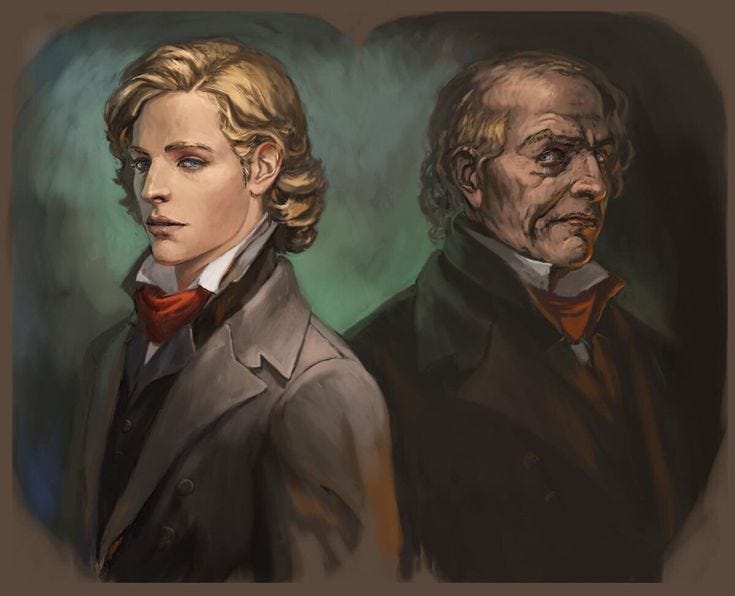
One might look at this as Dorian dividing his nature — his soul (the interior seat of truth and goodness) lives in a picture, sacrificed for his love of external beauty.
From here, the novel becomes a fascinating exploration of human nature:
Dorian’s immortal youth makes him equivalent to a god of Greek mythology. He has effectively conquered the most pressing concern of human nature itself, which is death. As such, this novel should be a utopian read, or a dream come true for Dorian. Yet it proves to be the opposite.
Dorian hereafter devotes his life to the worship of beauty. In this case, beauty is defined as rampant hedonism and decadence. This includes affairs, drugs, and thrills that incite scandal. And yet we find this hedonism is not just innocent fun, but morally corrupting.
Dorian soon finds himself descending into crime, blackmail, and even murder. All the while he stays young, but interestingly, his portrait continues to age. And with each crime he commits, the portrait doesn’t grow older, but uglier.
By the novel’s conclusion, its hideous nature is unbearable to look at. Dorian himself is forced to face the grotesque nature of what his portrait (his soul) has become.
What Dorian sees destroys him… And yet, what Wilde the author saw, would eventually save him from a similar doom in his own life.
The difference between those two endings is the real subject of this novel, and the most important thing Wilde ever said about beauty — about how to properly love it, so that it doesn’t destroy you.
