

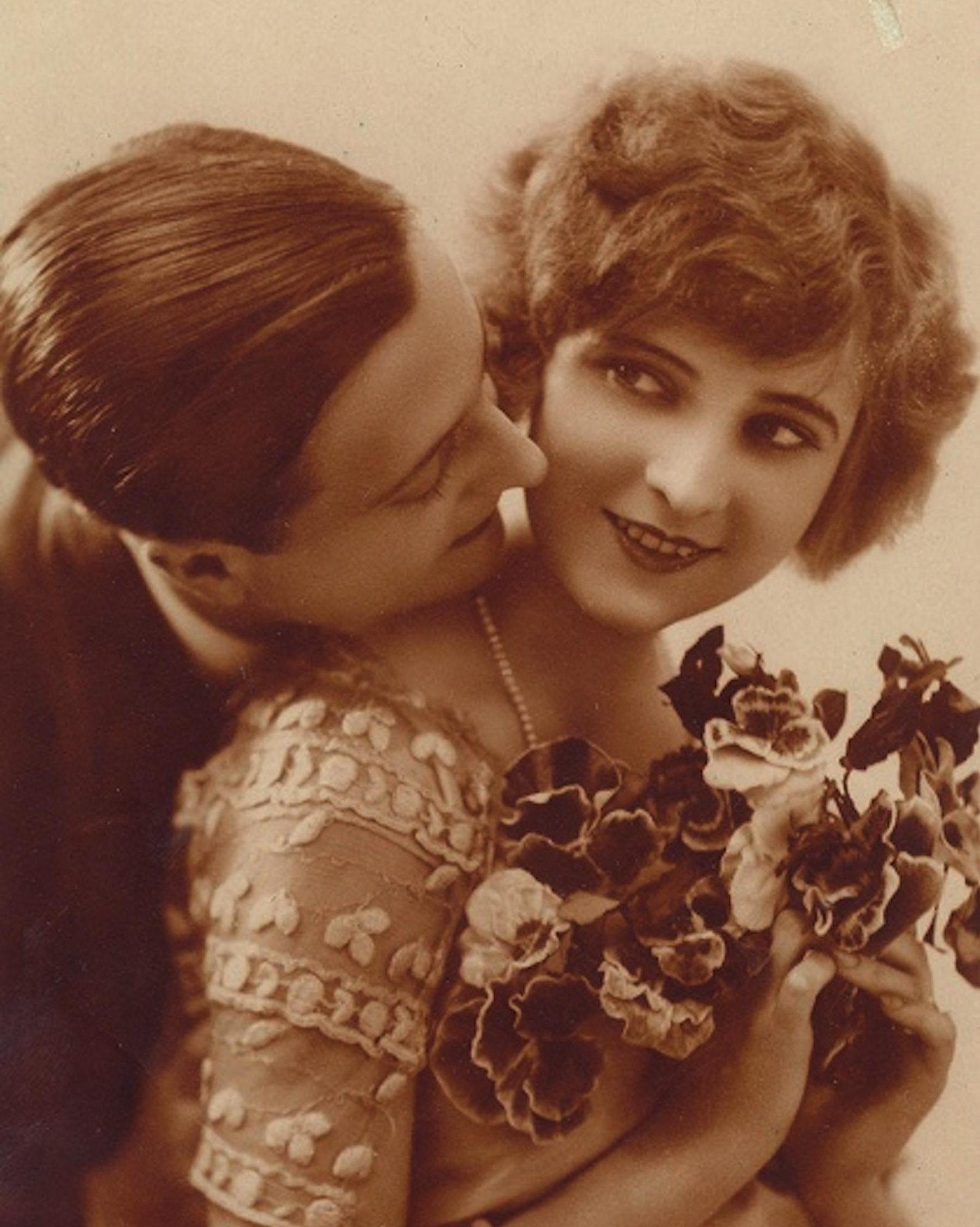
F. Scott Fitzgerald is one of the great writers of the twentieth century, and arguably the most distinctly American.
Coming of age during the Roaring Twenties, he embodied both the promise and the peril of the American Dream. He rose from obscurity to fame, enjoyed wealth and decadence, yet was ultimately undone by the very success that made him into a literary star. Ultimately, his private demons proved stronger than his public triumphs, and he died far too young.
At the heart of his tragic life was his infamous, ill-fated marriage to Zelda Fitzgerald. She was just as crucial to Fitzgerald’s success and his doom, and yet, her life was perhaps even bleaker than his. Their collapse is not just a personal warning, but today nearly an archetype of the modern institution of marriage.
To examine their story is to gaze into the philosophy of modern marriage, why it’s led many couples like the Fitzgeralds to ruin, and to rediscover the forgotten but essential truth needed to make a marriage last.
Reminder:
Subscribe, if you’d like to support my mission of restoring Truth, Beauty, and Goodness to the West, subscribe below!
Paid members get an additional members-only email each week!
Young, Broke, and Broken-Hearted
Fitzgerald is not too dissimilar to his own protagonist, Jay Gatsby, of The Great Gatsby. Like Gatsby, Fitzgerald was poor but ambitious, motivated by a broken heart to win over the woman of his dreams.
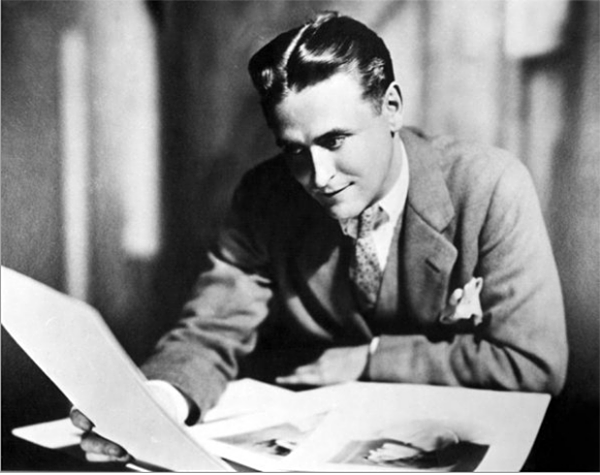
Specifically, a young Fitzgerald had fallen in love with a wealthy woman named Ginevra King. However, when he introduced himself to her father, asking permission to marry her, her father responded:
“Poor boys shouldn’t think of marrying rich girls.”
The rejection devastated Fitzgerald, understandably. This wouldn’t be the first time money issues led to heartbreak either.
Later, Fitzgerald would fall in love with another beautiful woman named Zelda Sayer. They met in training camp before Fitzgerald was shipped off to war, and had a romantic affair. The two even got engaged, but ultimately Zelda broke off their engagement.
Why?
Fitzgerald was poor. He failed to become the successful novelist he promised to be, and Zelda realized he couldn’t support her affluent lifestyle.
This rejection nearly induced Fitzgerald to suicide… however, his grim fate would lead to a sudden change of fortune.
An Overnight Success
With nothing to lose, Fitzgerald made one last ditch effort to become a successful novelist. He became a recluse, working night and day on his manuscript.
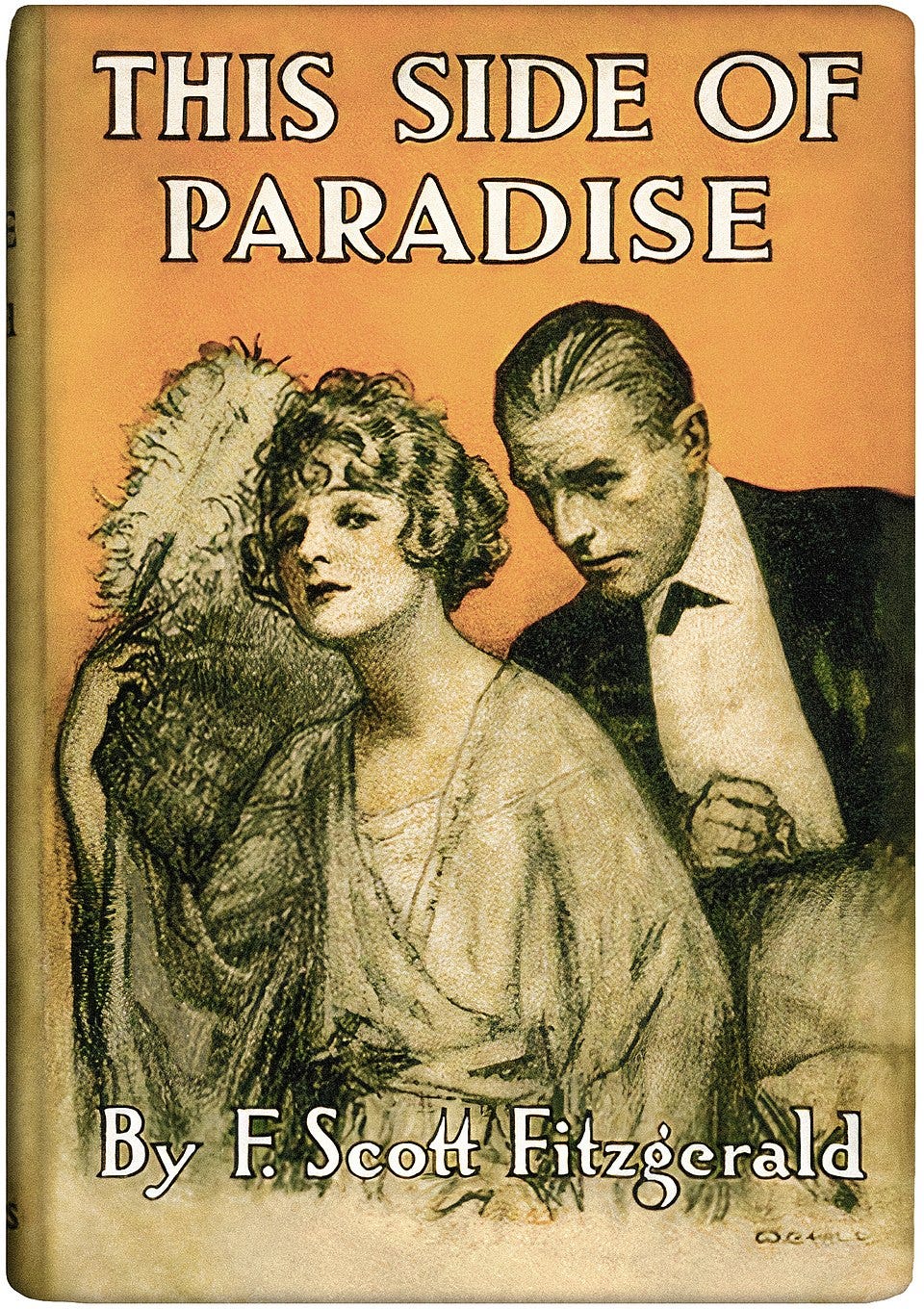
Against all odds, he found his work was accepted into publishing. 6 months later, This Side of Paradise was published and became an instant best seller. Overnight, Fitzgerald amassed wealth, fame, and became a household name in the publishing industry.
Even more of a surprise, he reached out to Zelda — begging her to take him back — and it worked!
Zelda reunited with Fitzgerald, and the two moved to New York City where they ingrained themselves with the socialites, wealthy, and luxurious. The “celebrity couple,” grew an infamous reputation for their antics, scandals, and free-spirited enjoyment.
In a sense, they were symbols of the high-spirited optimism of the roaring 20s… but just as American markets were doomed to a crash and correction, so were the hopes and joys of Zelda and Fitzgerald.
Trouble in Paradise
If we observe the course of Zelda and Fitzgerald’s marriage, the results are… not good.
The highs of their “honeymoon phase,” were audacious but not sustainable. After their initial years together, the rush of big city luxury lost its lustre.
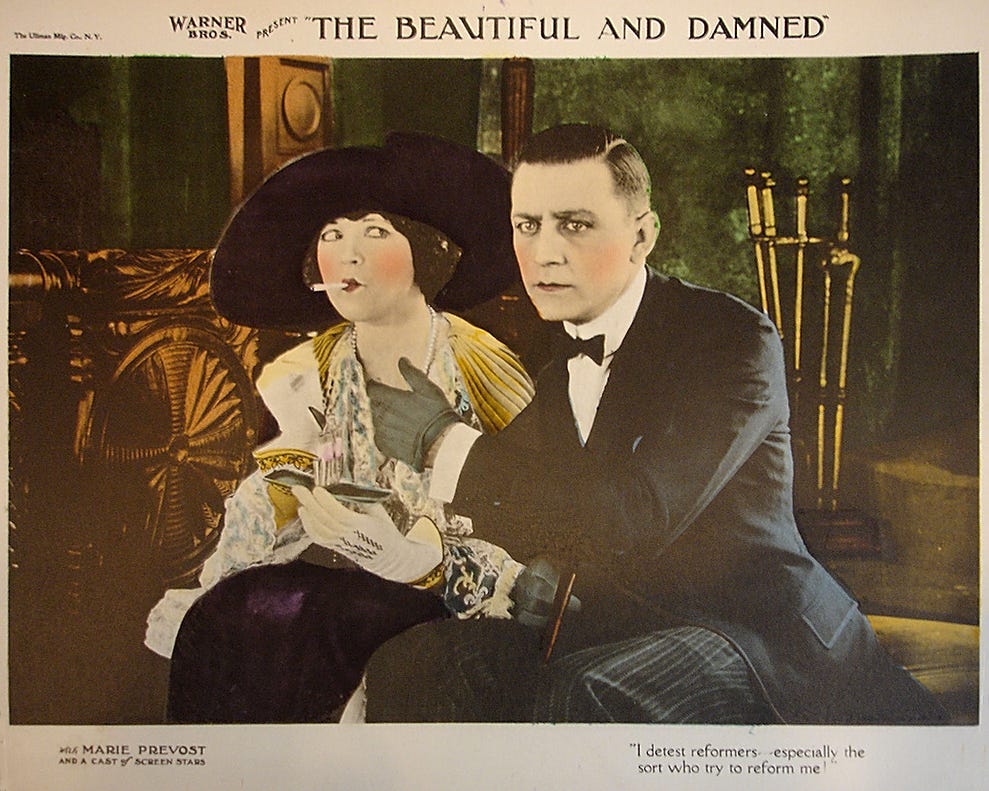
Fitzgerald struggled professionally. None of his later novels sold, nor received the acclaim, as This Side of Paradise. The money stopped flowing in, but Fitzgerald and Zelda’s expensive lifestyle stayed the same.
Soon there were money issues. Fitzgerald was in debt and became a heavy drinker. He and Zelda both cheated on each other. Hemingway, a good friend to Fitzgerald, predicted Zelda would destroy his career — she demanded wealth, but guilted Fitzgerald whenever he focused on his writing.
Sadly, not even Hemingway’s pessimism compared to the reality that awaited Fitzgerald and Zelda in the 1930s.
The Big Crash
As America crashed in the Great Depression, so too did Fitzgerald and Zelda fall from grace. Years of heavy drinking played a toll on them both.
Zelda tried, and failed, to become a novelist. She developed mood swings, became volatile, and grew mentally ill. Fitzgerald checked her into a psychiatric ward, and tragically, Zelda would be in and out of mental institutions for the rest of her life, facing grueling treatments of electric shock therapy.
Her husband didn’t fare much better.
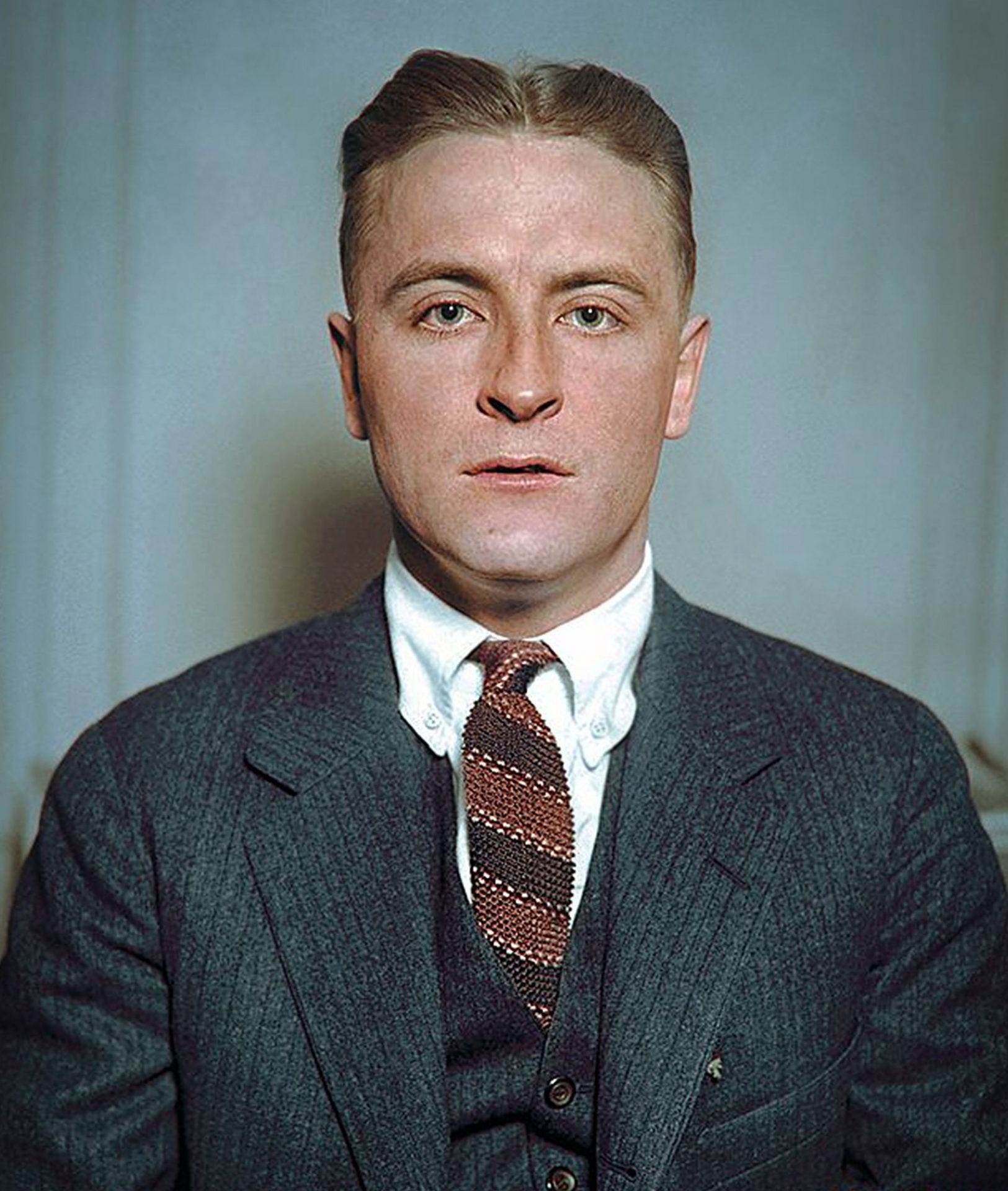
Fitzgerald’s alcoholism led to ill health, heart failure, and debt. His books stopped selling. He tried and failed at screen writing in Hollywood, and cut ties with his literary agent after he refused Fitzgerald a loan.
Fitzgerald spent the last years of his life in a relationship with Sheilah Graham, while his wife was still enrolled in psychiatric wards. Finally, he passed away from a sudden heart attack in 1940, a once great novelist, now forgotten, obscure, and alone.
It was but sheer chance that critics later re-discovered The Great Gatsby, and resurrected Fitzgerald’s career posthumously.
As for Zelda, she lived eight years longer, largely confined to mental hospitals, before passing away in a hospital fire at the age of 48.
The Other Side Of Paradise
Why pay special attention to Zelda and Fitzgerald’s marriage?
Their story is not just tragic, but also reveals an essential truth of how most modern marriages operate today (and why they struggle).
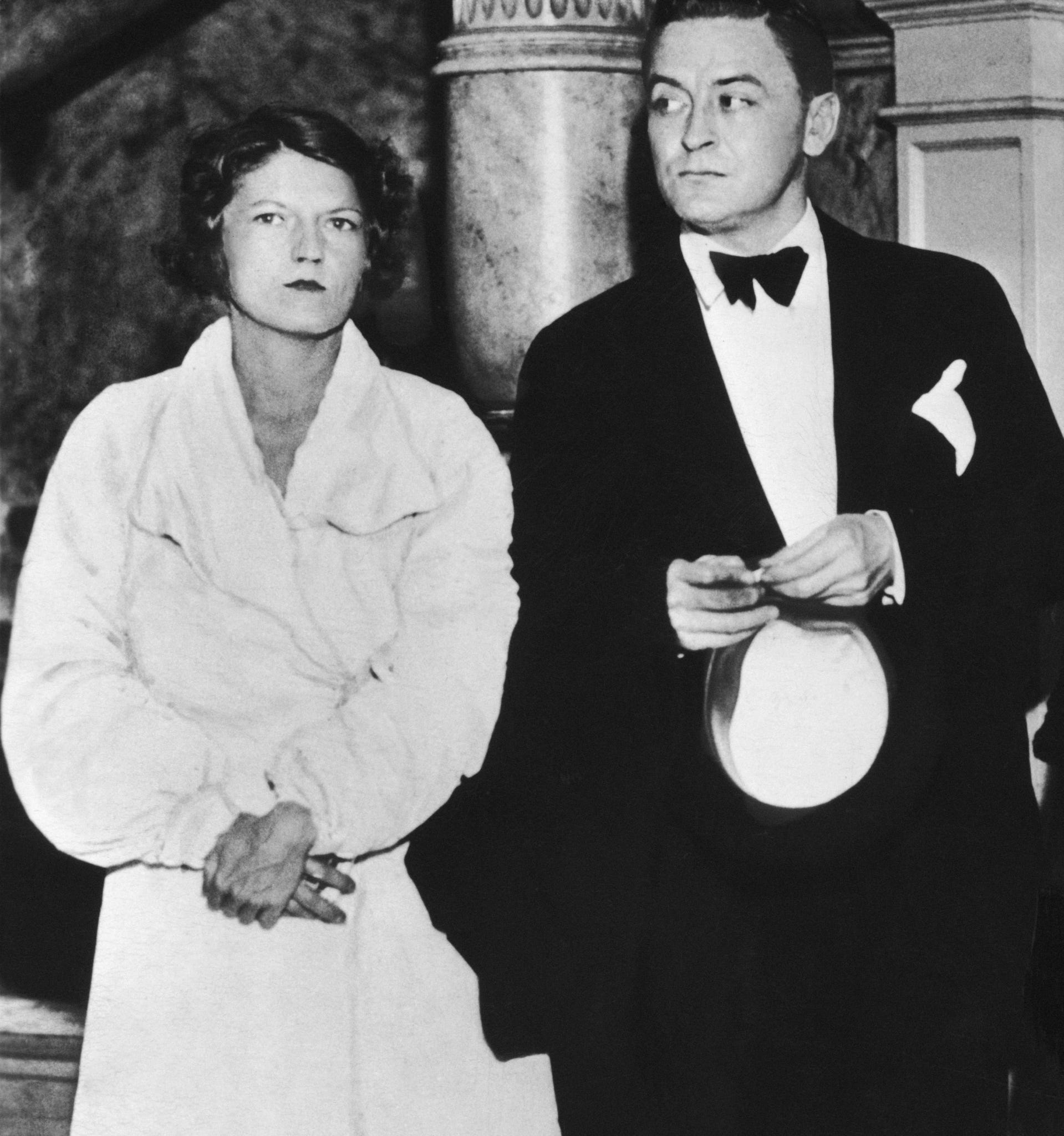
Modern marriage is typically ordered around eros: erotic attraction, emotional intensity, and the promise of self-fulfillment. We marry because we are “in love,” because another person excites our desires, affirms our identity, or completes our private vision of happiness.
From this lens, Fitzgerald’s marriage is exemplary. Fitzgerald adored Zelda’s beauty and vitality. Zelda loved the wealth, glamour, and status his success made possible. Their union was sustained by mutual passion, admiration, and pleasure… until those very passions faded.
They loved each other in times of happiness, but hated each other in times of tribulation.
The above is not an accident, rather it’s the exact reality of a marriage built upon eros. A marriage ordered solely towards eros cannot survive suffering, for though its desires burn brightly, it’s only briefly, and offers no solutions to persevering through hardship.
Pre-modern marriage, however, understood love differently.
It was not based on eros alone, but agape — a heavenly love expressed by “willing the good of the other.” This was expressed in the marital vows, supporting each other til “death do us part.”
One might consider Dante Alighieri as a contrast. His love for Beatrice — his erotic passions — fueled his desires to honor her in poetry, write the Divine Comedy, and seek the very “love that moves the sun and the stars.”
The Fitzgeralds loved intensely, but not upwards, and were consumed by their passions.
Indeed, we are reminded that any true and lasting form of love must aim upwards, for spousal passions aimed solely at one another leads to consumption of the other. May we instead aspire, not to mutual destruction, but ascent.
Reminder:
Subscribe, if you’d like to support my mission of restoring Truth, Beauty, and Goodness to the West, subscribe below!
Paid members get an additional members-only email each week!
Another great piece! Thank you Sean!
Forget college, there should be four years of required training to be a good, functioning, healthy adult before marrying and having children.