

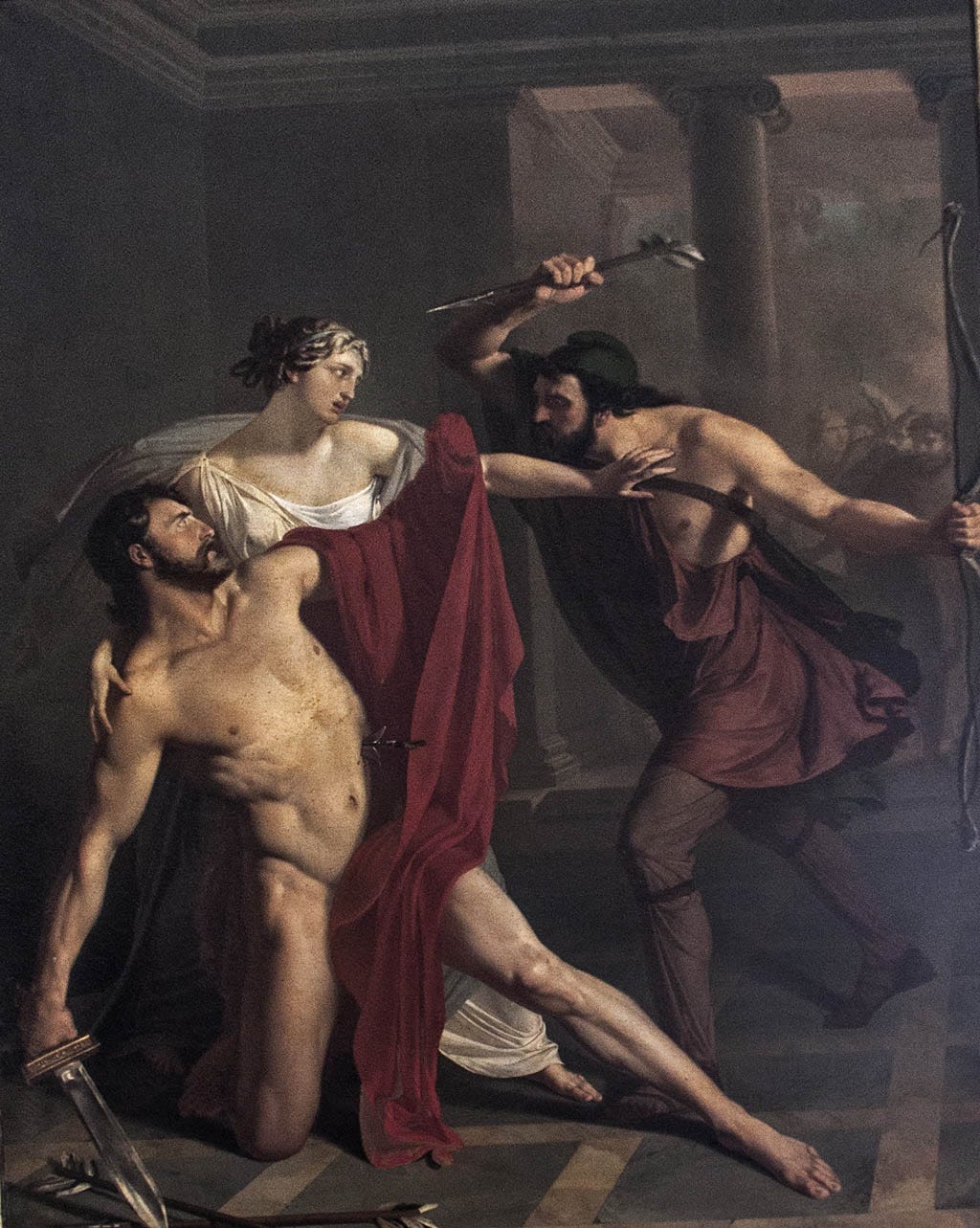
Plato says that if you want to destroy your enemy, let him become a tyrant and get away with it.
This is the jarring idea put forth in Gorgias.
On the surface, this dialogue asks what the purpose of rhetoric is, but at its core, it examines the two most fundamental life philosophies that guide the destiny of all human beings.
Every person, whether they know it or not, chooses to live by one of these two philosophies, and Plato suggests this is the most important choice a human being can make. In fact, he says it’s the difference between living virtuously or making your life a living hell (both now, and for eternity).
Today then, we’ll discuss the battle of ideas in Plato’s Gorgias, understand both philosophies, and see the way of life that makes existence virtuous and beautiful.
I offer private mentorship in the Great Books for those seeking clarity of vision and depth of soul. Inquire here.
If you’d like to support this work and receive future writings, you can subscribe below.
A Battle of Philosophies
From the opening lines, the Gorgias begins with antagonist Callicles talking to Socrates about warfare.
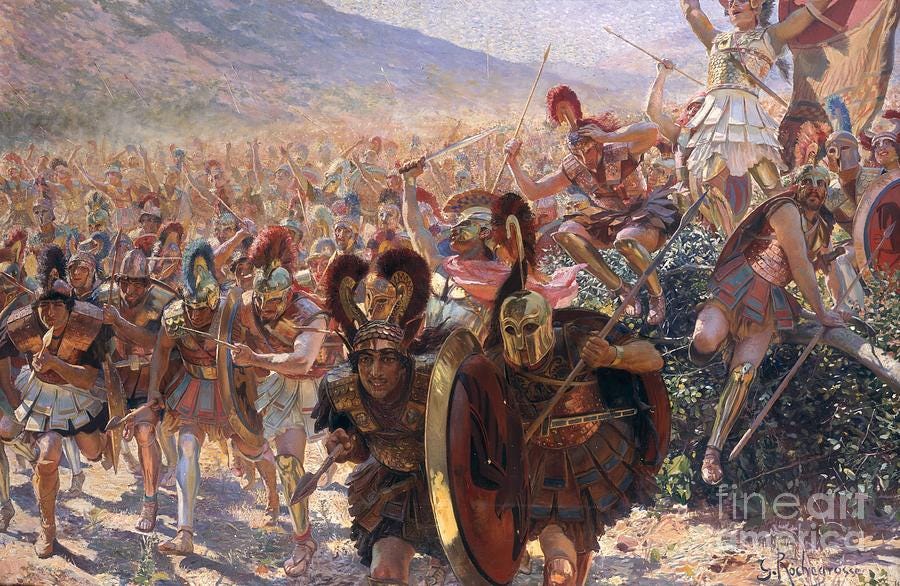
Already, Plato implies this dialogue is about war — a battle of two life philosophies.
These philosophies are effectively:
The metaphysics of power (championed by Callicles)
The metaphysics of justice (championed by Socrates)
This “war,” begins indirectly, by Socrates first questioning a famous rhetorician named Gorgias.
Socrates asks him a deceptively simple question:
“What do you do?”
He isn’t merely asking about Gorgias’ job title, but the ultimate purpose that his job entails. He asks, “You make speeches about justice for a living, but do you know what justice is, and can you teach it?”
Gorgias admits that he does not, and laments that many of his own students are unjust and themselves — refusing to pay him for the services he provided as a teacher.
Socrates then takes over and expounds on justice itself, beginning with a radical claim:
“It is worse to do injustice than to suffer it.”
This simple statement, fully considered, is quite extreme. Socrates says that an unjust tyrant — who enjoys unlimited wealth, pleasure, sex, etc. — is more unhappy than an impoverished but just man who is hated.
In other words, if the human soul is made for justice, then a just soul can prevail against a world of torment and pain, but the unjust soul cannot be made happy even by a lifetime of comfort and pleasure.
These statements draw the ire of Callicles, who enters the conversation for battle.
The Metaphysics of Power
Callicles calls Socrates’ arguments foolish. He says that if Socrates is correct, and man is made to love justice, then the vast majority of human beings are failing their fundamental life’s purpose.
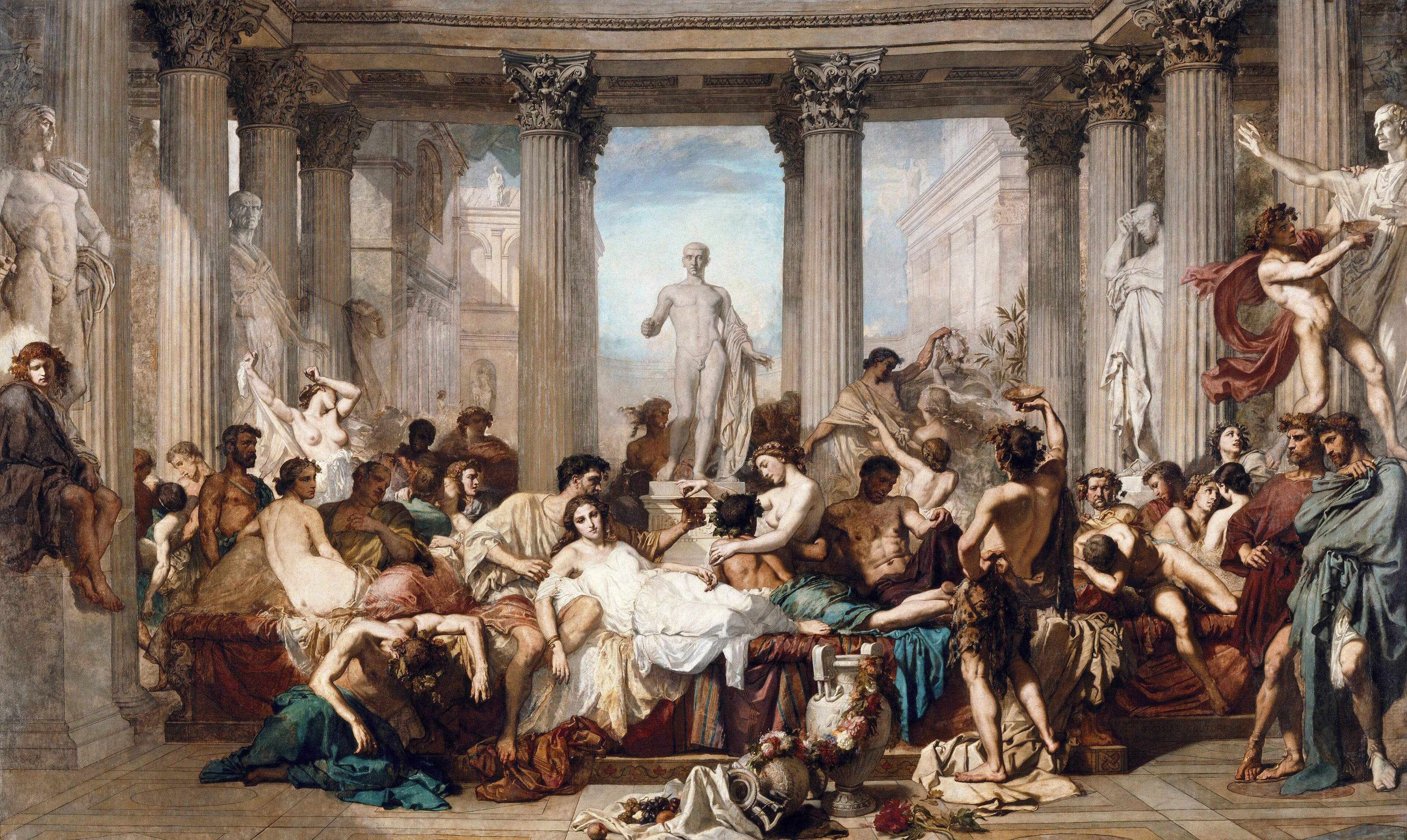
In reality, mankind naturally favors pleasure, money and glory far more than virtue and justice.
Callicles’ argument, by contrast, is far more pragmatic:
Suffering is evil, and no one likes it, and therefore it’s far worse to suffer injustice than it is to commit it. This argument is fair in itself, but then Callicles takes it a radical step further.
He says there is no such thing as true justice. Justice is not an objective virtue, but a human construct. The “real,” justice is found in nature, and the most fundamental law of nature is force, in which the powerful dominate the weak.
The alpha wolf is strongest, and therefore what he declares becomes justice for the pack.
Callicles then goes further and mocks Socrates’ idea of justice, which he claims is simply a human construct devised by the weak to protect themselves from the powerful.
Callicles’ position then, is the exact inverse of Socrates:
The happiest human being is the man who dominates through injustice. His domination over others satiates his desires, bringing him glory, wealth, pleasure, and happiness.
The reader now wonders — who is correct?
Socrates says better to be an impoverished, hated man who suffers much in the name of justice
Callicles says better to be powerful and dominate others, for domination brings wealth, status, and glory.
Here, Socrates turns the tables by returning to his most controversial idea of the dialogue.
Tyranny as a Self-Made Prison
Socrates says, “if you truly hate your enemy, you would wish that he commits injustice AND gets away with it.”
In other words, if you want your enemy to endure maximum misery, tell him to practice Callicles’ philosophy and become a tyrant.
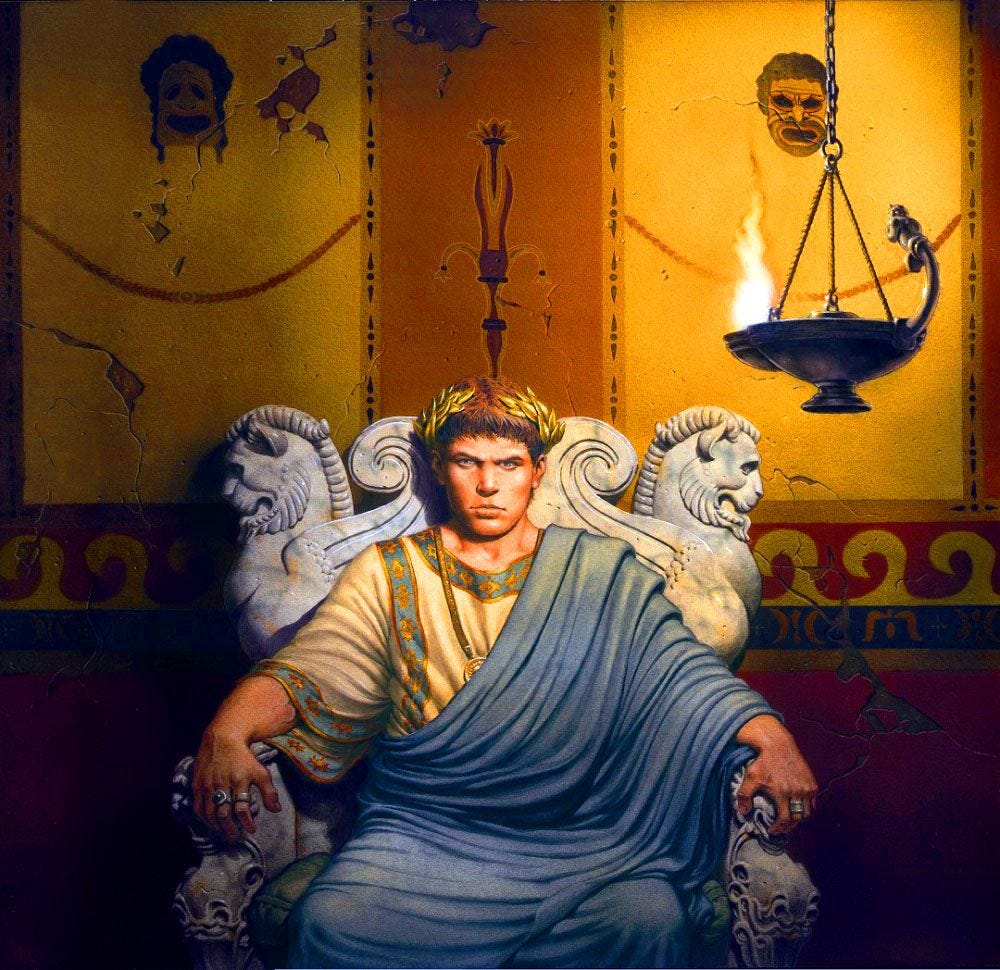
But why would anyone want their enemy to prosper? Why wish your hated rival becomes powerful, wealthy, and satisfies all his desires?
Again, Socrates insists the worst fate that can befall a man is to live by injustice without punishment. Punishments on behalf of justice are not evil, but akin to medicine provided to a sick patient. Just as bitter medicine heals illness, so too does bitter punishment heal injustice.
But what needs healing in the tyrant? Why would the tyrant want to repent from a life of unlimited power and freedom?
Socrates explains that the tyrant — the powerful man of unlimited freedom — is the most enslaved man of all.
Consider the case of the cruel, murderous, unjust tyrant who satiates all his desires. One thing he cannot do is walk freely in public — he could be assassinated. Nor can he rest at ease in his palace, for there is paranoia that he shall be betrayed, just as he’s betrayed so many himself. Nor can he slumber in peace, for his dreams are as murderous and violent as the life he leads.
By contrast, the just peasant may be poor and hated, but he can walk freely, sleep peacefully, and enjoy an interior harmony that brings genuine peace.
Perhaps the poor and hated peasant isn’t happy — his lot in life is worse than most — yet he is far superior to the wealthy and powerful who are wicked, as injustice corrupts your soul and makes your reality itself a prison.
We are reminded then, of a timeless question asked by Scripture, namely:
“What good does it do a man to gain the world if he loses his soul?”
As such, Socrates says if you hate your enemy, let him prevail in injustice. If you truly love him, then pray for his punishment — for a just punishment is a corrective that restores a soul to virtue.
By the dialogue’s end, Callicles is reduced to silence. He’s lost the “war,” but hasn’t been persuaded.
Socrates concludes then, by becoming a rhetorician himself — he tells his audience a myth that explains why man should love virtue and justice.
Divine Justice
First, why exactly does Socrates resort to myth? After all, he just defeated Callicles, so why not end in triumph?
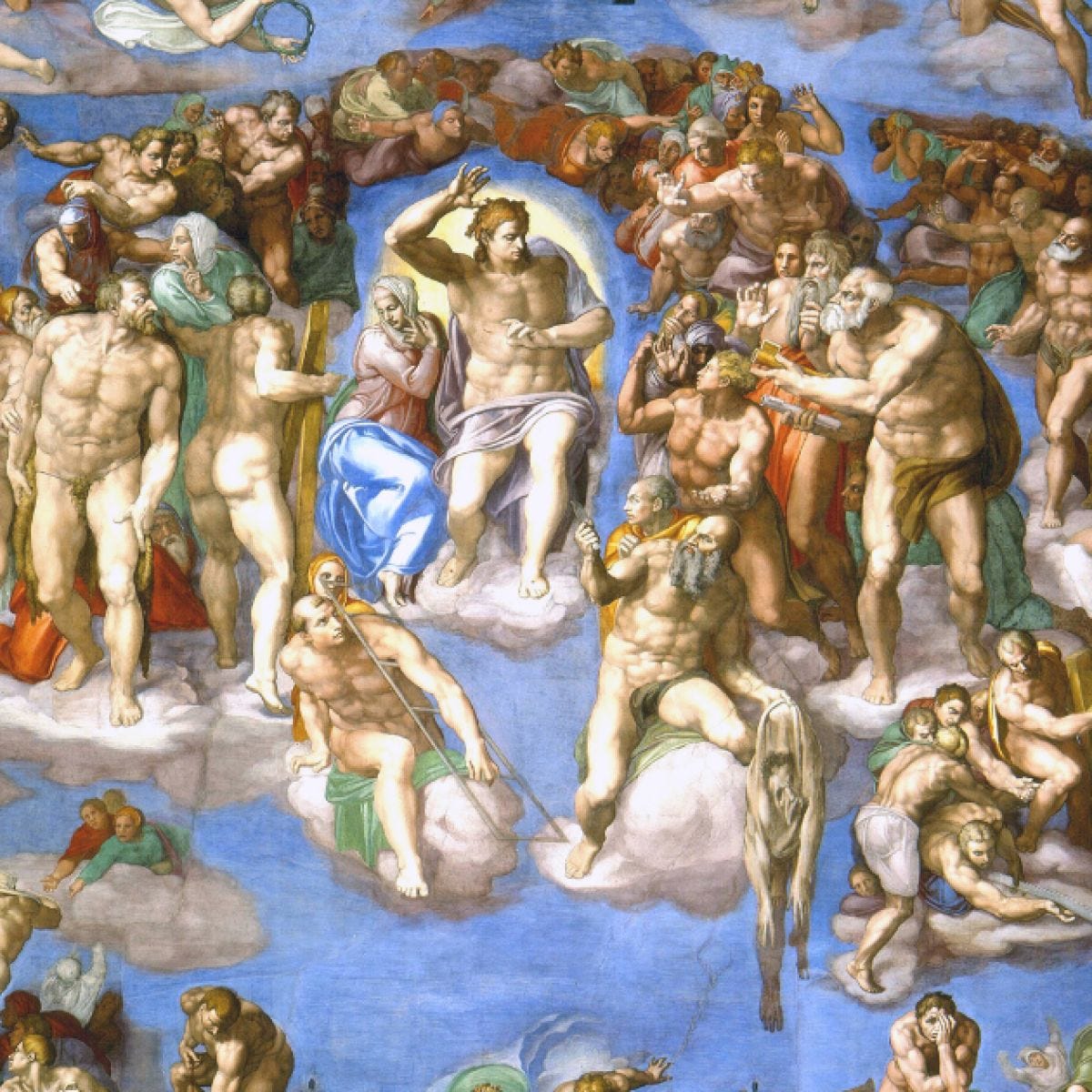
Again Callicles was defeated logically, but not persuaded. Pure argumentation alone can’t reach an argument already committed to power. So Socrates’ myth is pedagogical — in real time, he’s showing us the proper use of rhetoric as an aid to justice.
This myth is meant to draw on narrative, imagery, and emotional grandeur in a way that logical argumentation cannot. We can consider this myth then, the hallmark of beautiful rhetoric as the handmaiden to philosophy.
As for the myth itself, Socrates tells a story of the afterlife:
After humans die, all souls are sent to an afterlife where they are stripped naked. Their souls are laid bare, and are scoffed with blemishes for every sin, vice, and crime they’ve committed. These souls are then judged by an infallible set of rulers with perfect justice.
Good men are sent to the Blessed Isles
Bad men are sent to Tartarus in two groups:
The wicked but correctable are punished, but eventually reincarnated on Earth.
The wicked and unredeemable are punished eternally.
We see then, a pagan vision of an afterlife that roughly corresponds to what Christians will later identify of Heaven, Hell, and Purgatory.
It also provides the bedrock of humanity’s greatest poets like Virgil and Dante, of Aeneid and Divine Comedy fame.
Socrates’ appeal to an afterlife teaches us that man cannot know himself without due reference to the divine.
If man is but meat and flesh, with no life after death, then Callicles’ philosophy is correct, and man ought to embrace power, oppression, and desire by any means.
We might also recall that Plato wrote this after Socrates — the most just man in Athens — had been unjustly sentenced to death by the city.
But if the divine is real, then man’s ability to know himself, live well, and find redemption comes solely through his ability to live in harmony with the reality of the divine.
And so Gorgias teaches us that every human being faces the same dilemma — to embrace a life in pursuit of power, or truth. This simple choice is the difference of not just the life one lives, but mankind’s destiny in total.
And if Socrates is correct, then man cannot find himself until he forgets himself, in pursuit of truth, with philosophy as his guide.Plato says that if you want to destroy your enemy, let him become a tyrant and get away with it.
I offer private mentorship in the Great Books for those seeking clarity of vision and depth of soul. Inquire here.
If you’d like to support this work and receive future writings, you can subscribe below.
This should be interesting, lol
Provocative article!
This reminds me of what Socrates says in "Crito:"
“In spite of the consequences, whether better or worse, shall we insist on the truth of what was then said that injustice is always an evil and dishonor to him who acts unjustly shall we say so or not?”
After Crito says "yes," Plato continues:
"Then we ought not to retaliate or render evil for evil to anyone whatever evil, we may have suffered from him."
But here Socrates adds: "But I would have you consider, Crito, whether you really mean what you are saying. For this opinion has never been held, and never will be held, by any considerable number of persons; and those who are agreed, and those who are not agreed upon this point have no common ground, and can only despise one another, when they see how widely they differ.”
Remarkable response, though few (maybe no one) really live that way.
https://christiangood.substack.com/p/socrates-and-crito-on-the-scarcity-903