

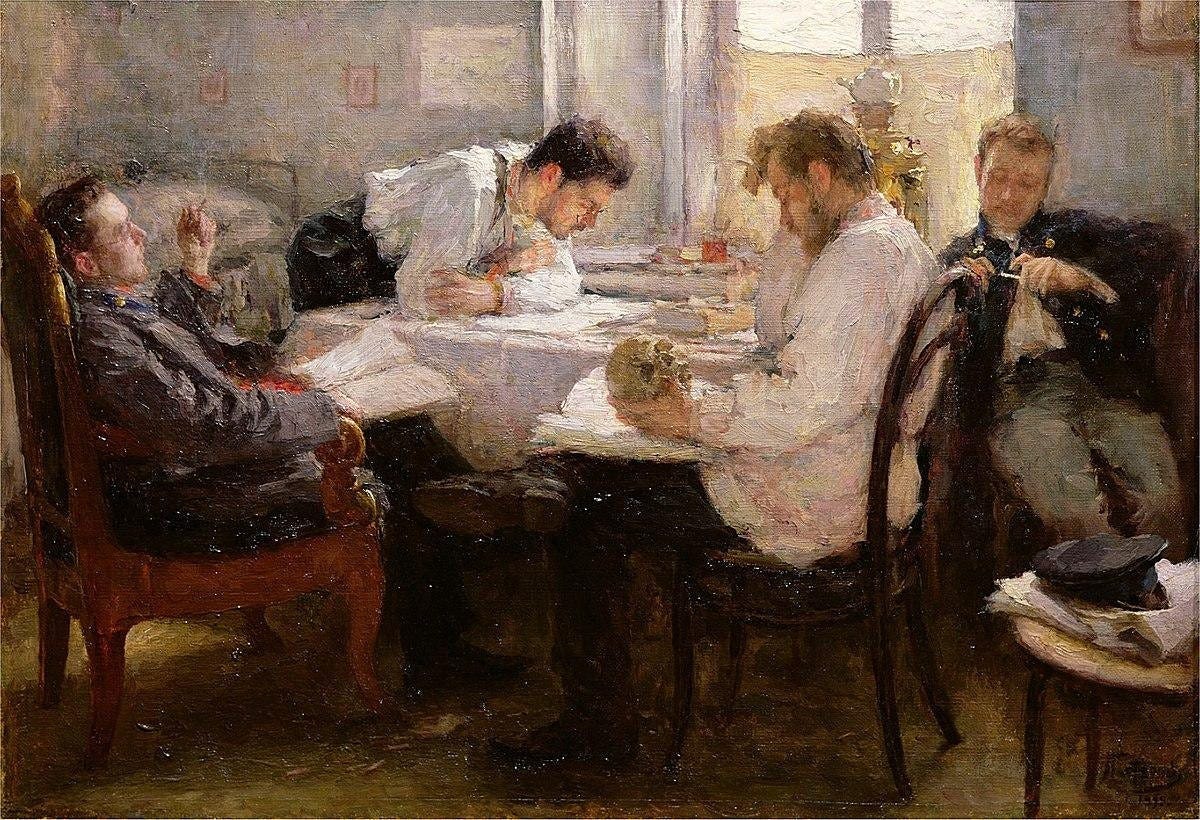
The Brothers Karamazov is Dostoevsky’s masterpiece. It’s often hailed as the greatest of his four great novels, and in my opinion, is the greatest novel ever written.
It’s almost impossible to properly describe what this novel is about. It spans 260,000 words (double the length of The Iliad), and covers countless themes like theodicy, nihilism, faith, utopianism, existential despair, and far more.
The scope of today’s article, however, is far humbler. Rather than addressing the book’s ultimate themes, I’ll give a simple introduction to the four main characters, and the overlooked genius as to why these four characters make this novel a “timeless masterpiece,” rather than a story of mere family drama.
The Karamazov family, properly understood, represent an allegory of the fractured human soul, struggling to make itself whole.
When you immerse yourself into this family drama, you’ll find the family becomes a universal bearer of human nature, and a conduit for teaching you the greatest truths of your own nature and how to become an integrated, happy human being.
I am 100% reader-supported. This newsletter is free, but if you’re able to support, please consider a paid membership — it helps my mission of sharing Truth, Beauty and Goodness with maximal reach
As a paid member, you’ll get:
Two full essays a week
Access to all recordings (past & future) of my Great Books lectures on this publication
Eternal gratitude from me
The Tri-Partite Soul
Before we get to the brothers specifically, we must briefly address Plato.
Long term readers of my publication may laugh at this suggestion, as Plato tends to be invoked on a weekly basis. However, Plato’s influence looms over the philosophical foundation of Brothers. Indeed, CS Lewis was correct in Narnia when he wrote:
“It’s all in Plato, all in Plato. Bless me, what do they teach at these schools?”
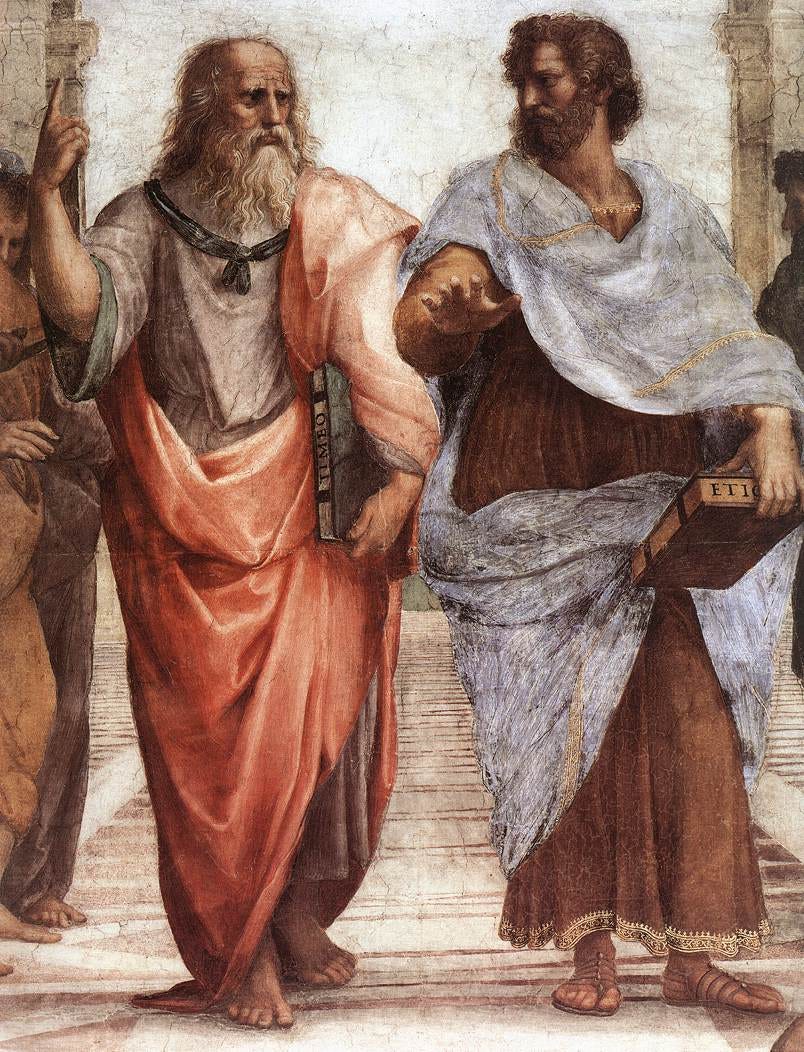
Now, let’s specifically recall Plato’s theory of the tri-partite soul, in his work The Republic.
He says the soul is divided by three parts:
The intellect/reason
The spirit/passions
The appetite
He said a happy soul is one who embraces the cardinal virtues of courage, justice, moderation, and prudence.
Specifically:
Your intellect loves wisdom
Your spirit loves courage
Your appetites are moderate
And as a result of the above virtues, your soul will be harmonious and just
But what does Plato have to do with Dostoevsky?
Well Dostoevsky was well read in Plato, and a common strand of scholarship on the Brother’s Karamazov suggests the four family members map onto Plato’s conception of the human soul itself.
Now, let’s meet the Karamazovs, and see how they fit this mapping.
Meeting the Karamazov’s
Here’s the quick rundown of the Karamazov family:
Fyodor — the patriarch and sensual man
Dimitri — the eldest brother, passionate but hot-tempered
Ivan — middle child, cold and intelligent
Alyosha — the youngest, noble but timid
Now on the surface, much of the story is a family drama.
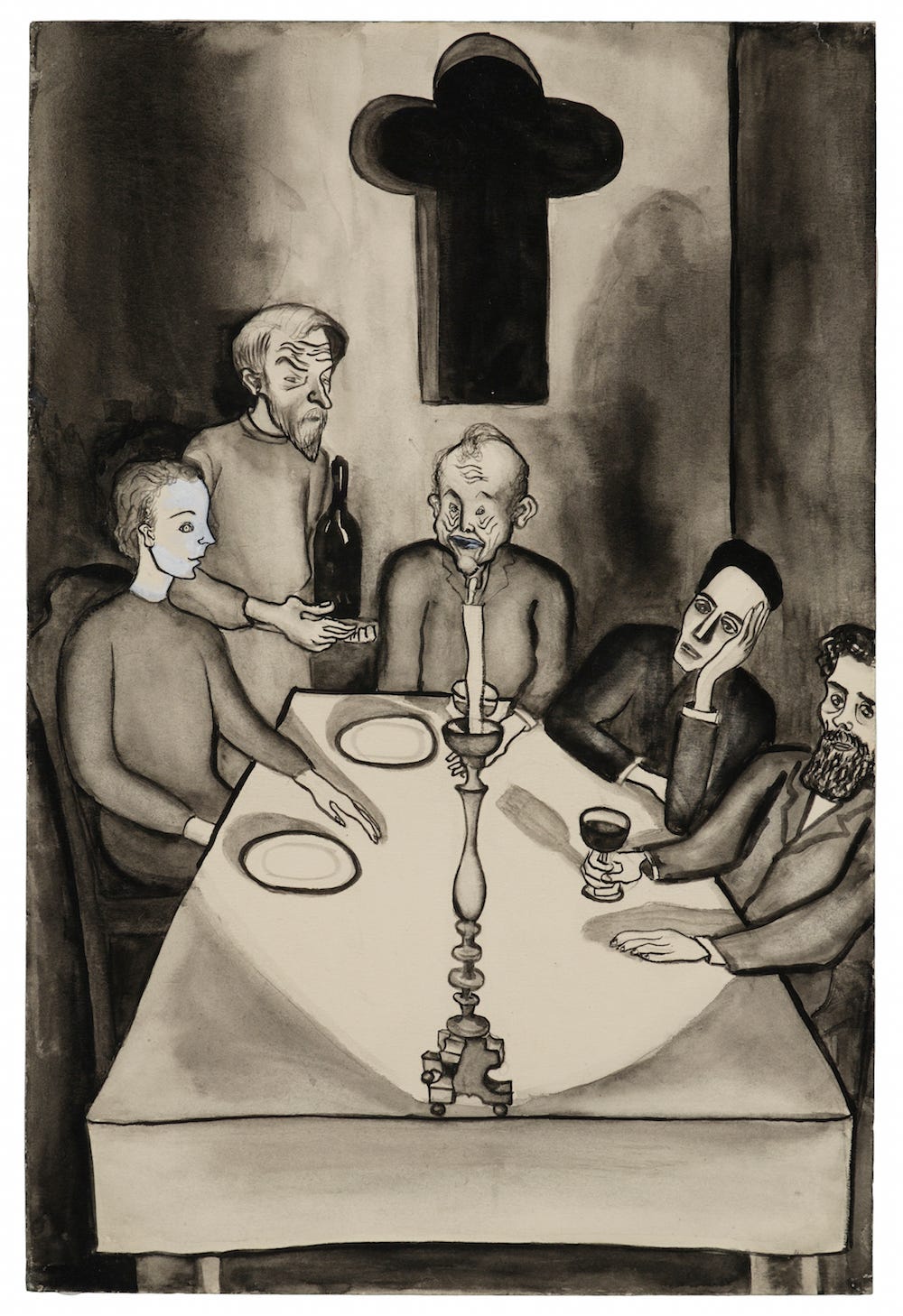
Ultimately, the family is at war with one another. Fyodor is a senseless hedonist who shames his family. Dmitri’s wrath is uncontrolled, and his public outbursts bring scandal. Ivan is sullen and jaded. He “loves humanity,” but feels no affection for individuals. Alyosha is good natured, but weak, timid, and fearful. He desires to hide from the world in a monastery under the paternal guidance of Father Zosima.
One way of reading this family war, then, is understanding it as the human soul at war with itself. Each of these characters, at least in their early form, represent the corrupted soul filled with vice. Let’s visit them one by one, and see why the soul of this family is made sick.
Fyodor
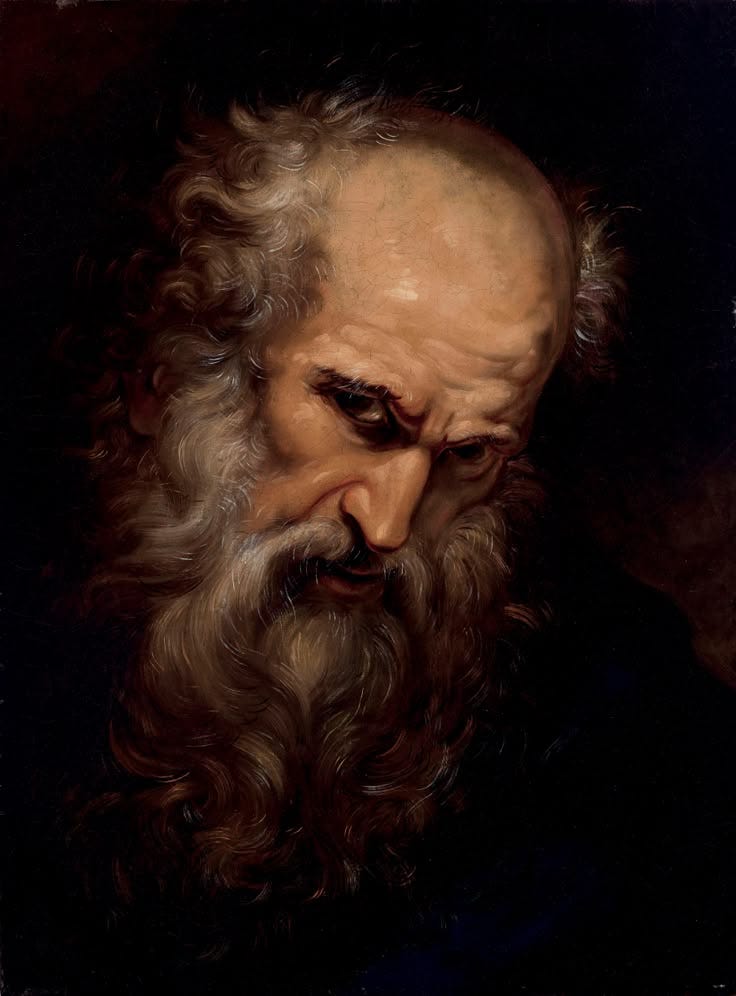
Fyodor as the sensualist represents the appetitive part of the soul, without moderation. His unrestrained hedonism and greed makes him shameless and contemptible in the eyes of all.
Though he’s pathetic and hated, he is arguably the most harmless of the family (sans Alyosha). This is because corruption of the appetite is embarrassing, but mild compared to corruption of the greater parts of one’s soul like the intellect or the spirit.
Dmitri
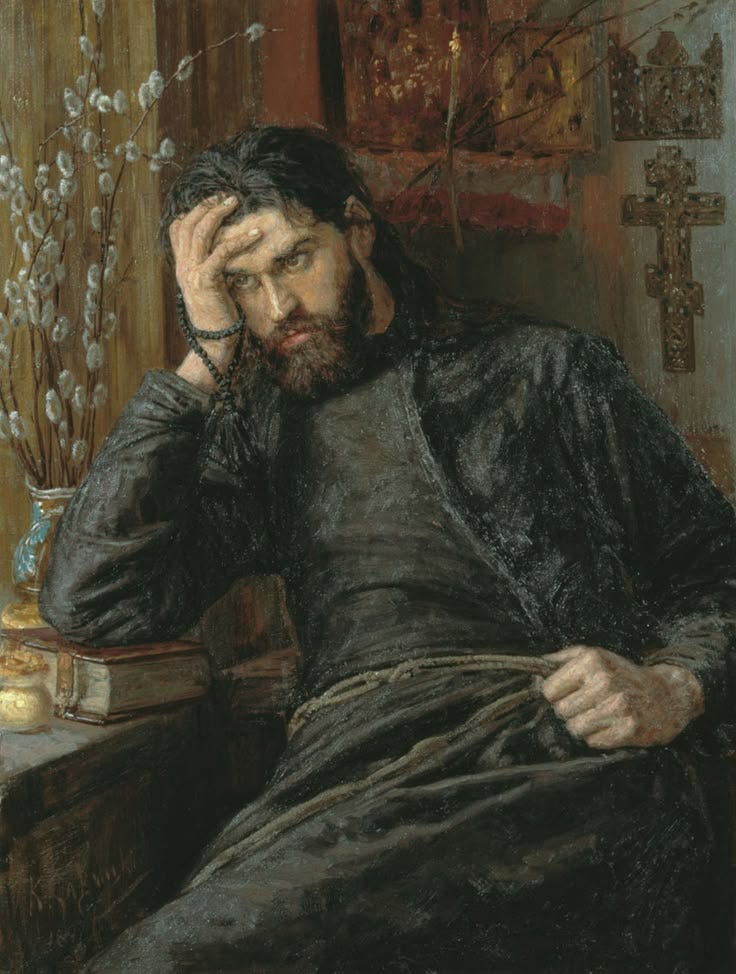
Dmitri represents the spirited part of the human soul. Whereas Plato says the spirit must be courageous, however, Dmitri represents the excess of courage, which is the vice of reckless anger. Yet readers tend to love him, for even good-natured but misguided wrath is charismatic, if not forgivable in the eyes of the public.
Nonetheless, Dmitri cannot be seen as virtuous, for he is quick to incite conflict and scandal, in both public and private alike. His tendency to escalate fights draws more than mere shame, as opens himself and his family to genuine legal risks and repercussions. Indeed, crimes of wrath may be more charismatic than gluttony, but also risk graver evils by way of violence and self-destruction.
Ivan
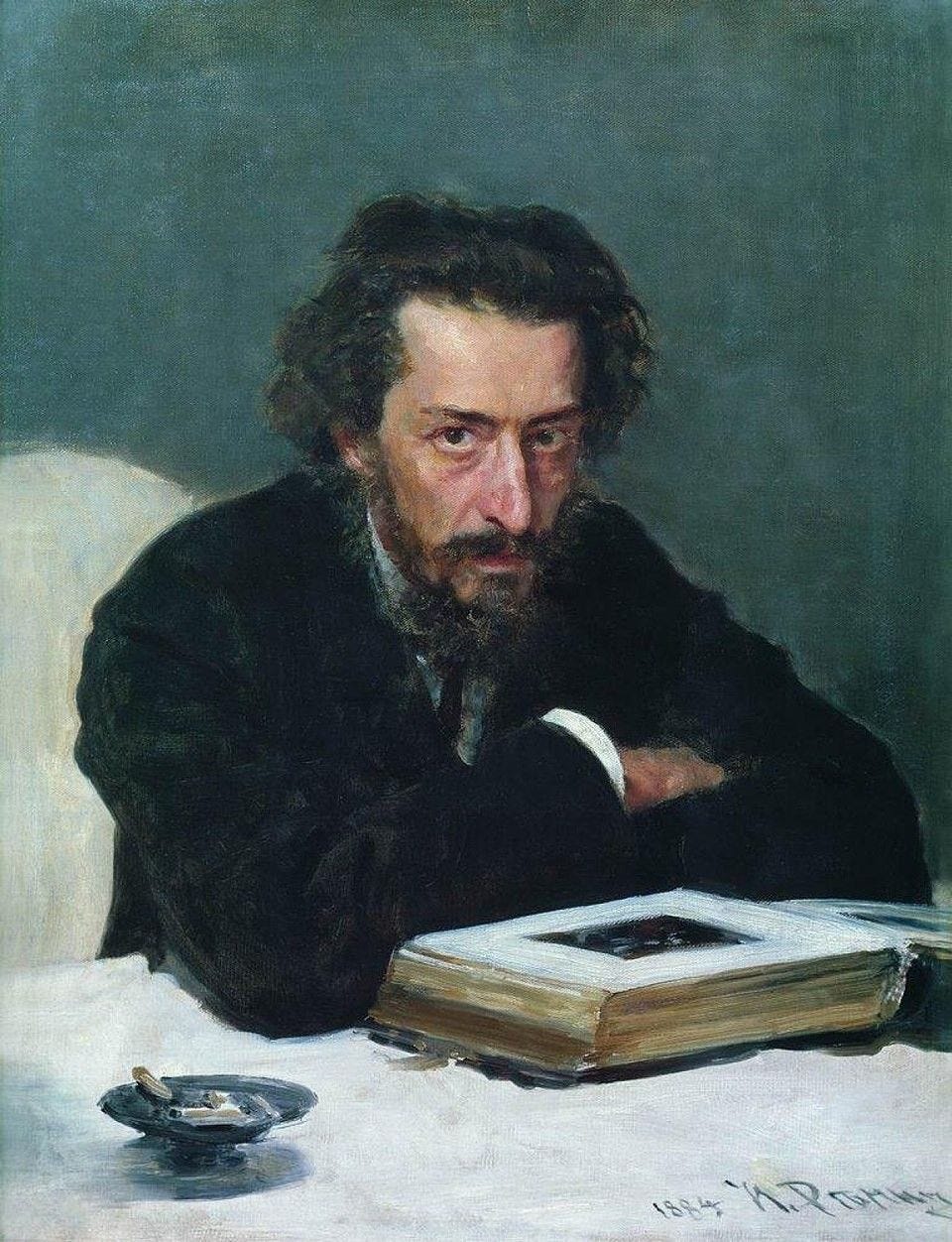
Ivan is the story’s anti-hero. He draws the line between antagonist and villain in search of redemption, and specifically represents the intellect of the human soul.
As such, he’s a man with a razor sharp intellect, but a heart of stone. He cannot bear to love his neighbor, for his soul has been numbed with human suffering. He’s both the most powerful and capable of the Karamazovs, but also the most dangerous. He could just as easily incite his neighbors to acts of vandalism, destruction, and murder, as he could exhort them to become Saints. His tale is the cautionary one of the intellect wavering between wisdom and vainglorious worship of self…
The Story’s Hero?
Thus far, we have located three of the four faces of the human soul. Fyodor represents the appetites left undisciplined, Dmitri the passions left uncontrolled, and Ivan the intellect separated from love.
The problem, however, is that this is the picture of a vicious soul at war with itself. The Karamazovs, left to their own devices, are doomed to damn themselves, and perhaps their neighbors, to a litany of vices, temptations, and corruptions that contort the well being of the larger populace.
Again, the Karamazov story represents the human soul itself on trial. Dostoevsky recognizes that man, left to his own devices, will inevitably descend into a path of death, decay, and self-annihilation.
So the deeper question becomes:
Can the human soul be saved from self-destruction, especially in a world filled with suffering, vices, and immoral humans like the Karamazovs?
The answer lies in the final member of the Karamazov family — the last, the least, and the youngest brother:
Alyosha…
