

Reading the Great Books is one of the most important things you can do for your soul.
But how can you justify reading in a time of crisis?
How can you read Homer when the world may not last another decade?
Today, the world remains embroiled in major global conflict, trust in institutions continues to collapse, and America in appears to be tearing apart by the seams.
This language may sound alarmist, but I want to steelman the issue:
If we imagined that the threat of nuclear armageddon was around the corner, how could we possibly justify reading Homer, Plato, and Cicero? Why read Aristotle if we all might die?
Shouldn’t we solve the global crises before we turn to literature and leisure?
Such an objection is understandable, but could not be more mistaken.
The belief that the Great Books are meant for leisure, escapism, and peacetime is flat out wrong. In fact, the Great Books are one of the last resources we have at our disposal to save society from outright collapse.
But don’t take my word for it — listen to CS Lewis, who gave an entire lecture on why it’s imperative that you read in times of war.
I offer private mentorship in the Great Books for those seeking clarity of vision and depth of soul. Inquire here.
If you’d like to support this work and receive future writings, you can subscribe below.
Learning in Wartime
CS Lewis addressed this issue in a sermon called “Learning in Wartime,” addressed to university students (but applicable to all).
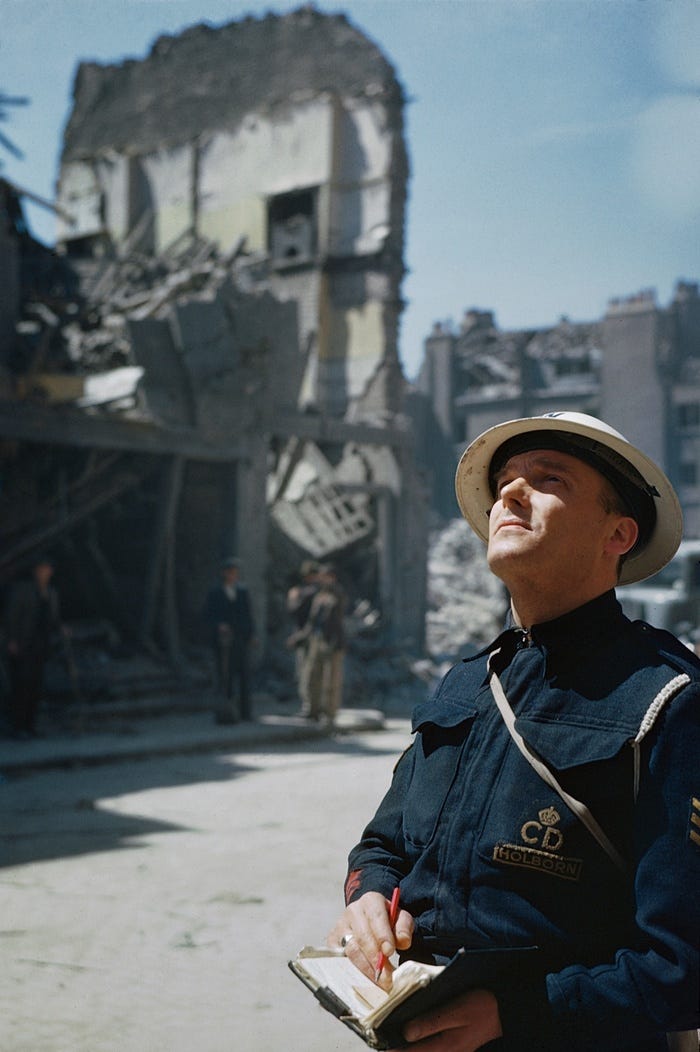
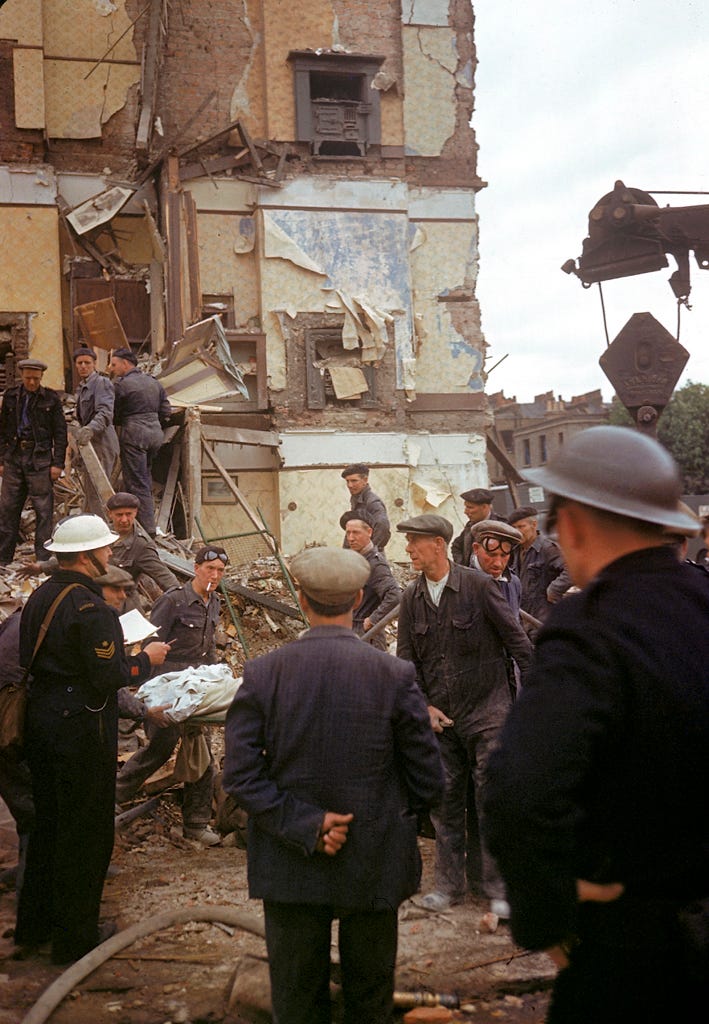
He gave this speech in the middle of World War 2, at a time when Germans were dropping bombs on London.
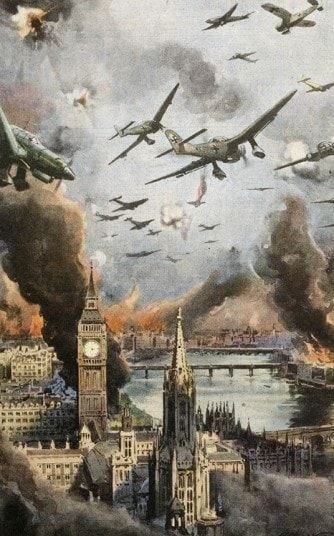
Despite the threat of instant death, Lewis exhorted the students to continue studying:
“You will be expected to make yourselves into philosophers, scholars, critics, or historians. At first sight this seems to be an odd thing to do during a great war. What is the use of beginning a task you have so little use of finishing?”
So how do you answer this objection to study?
Lewis first draws our attention to the fact that the “unprecedented times,” of WW2 are really not that unprecedented.
The belief that studying is solely meant for a time of peace is a false illusion due to modern comforts:
“The war creates absolutely no new situation; it simply aggravates the permanent situation…
If men had postponed the knowledge for search and beauty until they were secure, the search would have never begun.”
Lewis’ point is that — though war is tragic — it’s not unnormal. In fact, war is one of the most basic realities of existence.
The Western Canon begins with the Iliad, a book of war.
In scripture, Cain and Abel — the first humans of natural birth — is a story of fratricide.
Civilization then, was not built by scholars in times of peace. It was built by brave souls who sought beauty and goodness in times of war.
Yet this is only half the picture.
Not only does Lewis say you’re justified in studying in times of war, he warns that abandonment of that study leads to grave consequences.
Civilization is a Fragile Thing
Lewis next points out that culture is never neutral.
You’re either seeking goodness and beauty — and building a beautiful culture — or sliding into a worse culture by default:
“If you suspend your whole intellectual and aesthetic activity, you only succeed in substituting a worse cultural life for a better:
If you don’t read good books, you will read bad ones.
If you don’t go on thinking rationally, you will think irrationally.
If you reject aesthetic satisfactions, you will fall into sensual satisfactions”
To abandon culture for power is to win the war and lose the civilization. To subordinate Truth, Beauty, and Goodness beneath power is to merely mirror the brutalities of a marred, corrupted, and fallen world.
Taking the Offensive
This is not to say that Lewis wants us to ignore politics and war altogether.
This too would be an error. Rather, he stresses that the gap between “reality,” and “the intellectual life,” is a false dichotomy:
“There is no essential quarrel between the spiritual life and the human activities as such.”
His point, to be blunt, is if you were called to the front lines of war, make sure you enter those front lines with a sincere love of Truth, Beauty, and Goodness… or God.
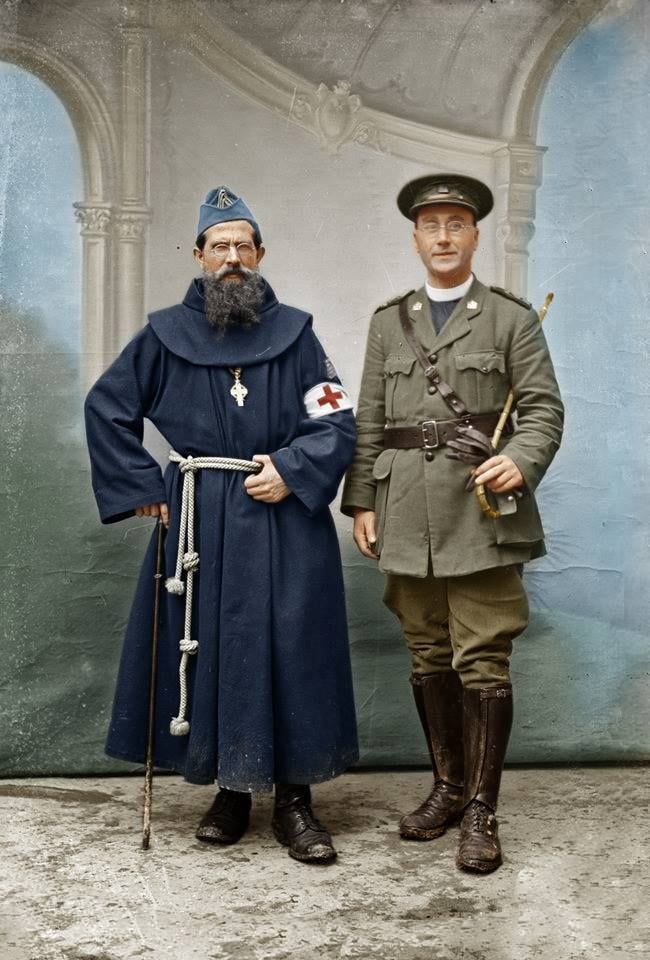
In fact, he suggests the intellectual life is itself a form of resistance:
“To be ignorant and simple now — not to be able to meet the enemies on their own ground — would be to throw down our weapons, and to betray our uneducated brethren who have, under God, no defence but us against the intellectual attacks of the heathen…
Good philosophy must exist, if for no other reason, because bad philosophy needs to be answered.”
Culture is most fragile when at war, and therefore, is in most need of literate, well-read, and virtuous souls precisely when life appears at its bleakest.
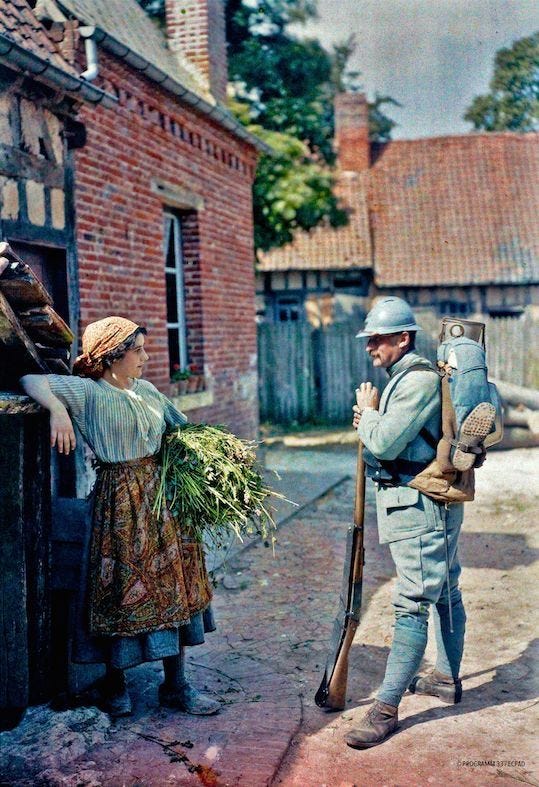
To insist on truth and beauty in such times is itself a form of spiritual resistance.
No Time Like The Present
And now, at this point, only one objection remains.
What if it’s too late for me?
What if I’m too old? What if I die next week? What difference does it make?
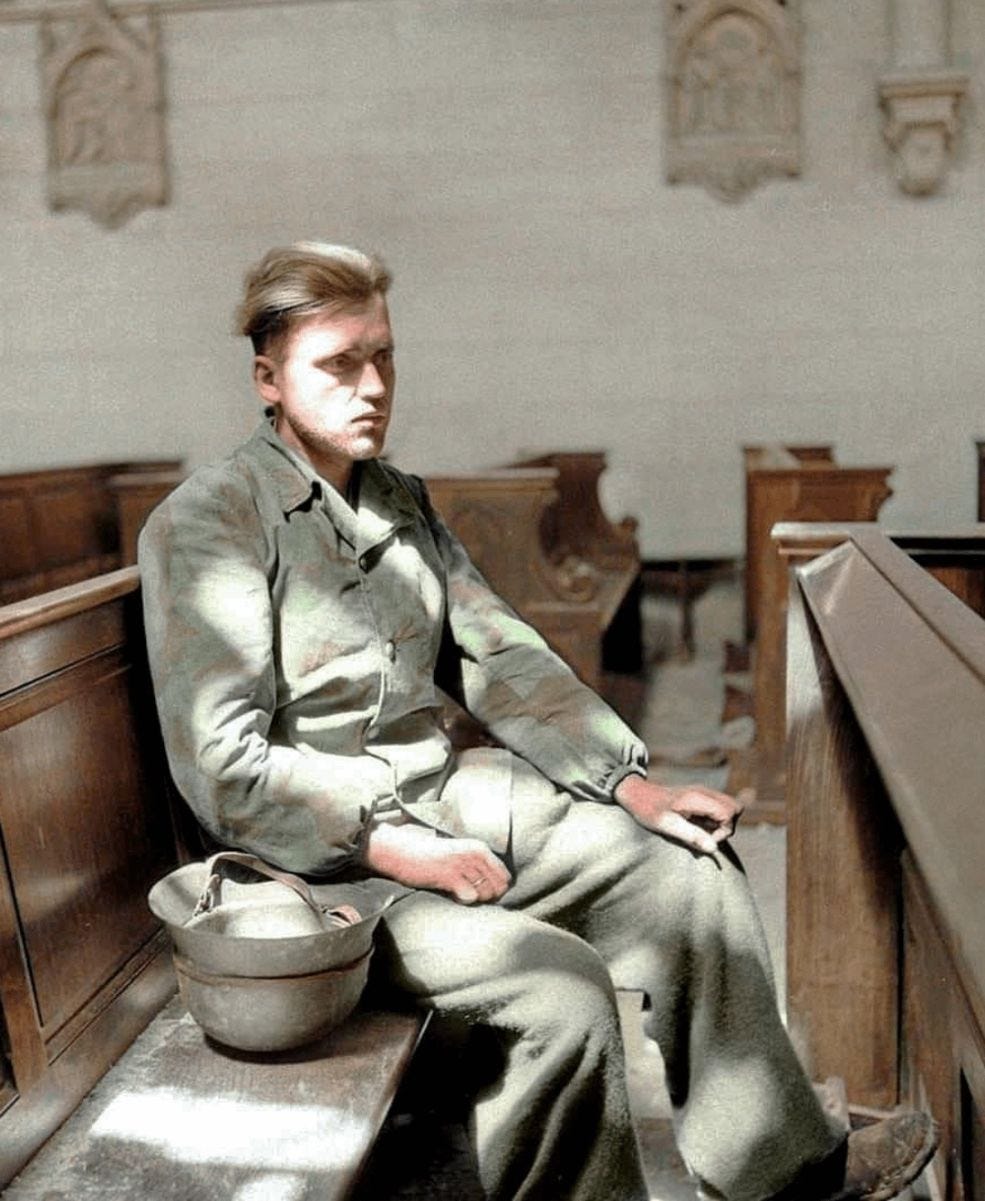
Lewis says, “too late,” is an illusion. The most wise thing you can do, in this moment, is begin (or persevere) in your studies:
“Happy work is best done by the man who takes his long-term plans somewhat lightly, and works from moment to moment ‘as to the Lord.’
It is only our daily bread that we are encouraged to ask for. The present is the only time in which any duty can be done or any grace received.”
As such, it’s your obligation to make every moment as True, Beautiful, or Good as can be done. This includes the duties you owe work, friends, and family — and the duties to be ever active in contemplation of God and his glories (including study).
Lewis’ concluding words in his sermon, then, are fitting to share here:
“The life of learning, humbly offered to God,is, in its own small way, one of the appointed approaches to the Divine reality and the Divine beauty which we hope to enjoy hereafter.”
Do not be afraid to make time to study.
God may demand it, just as your soul yearns for it… and you can rest assured that such studies play their part in reshaping your culture, your soul, and the plans of Providence who rules over all.
I offer private mentorship in the Great Books for those seeking clarity of vision and depth of soul. Inquire here.
If you’d like to support this work and receive future writings, you can subscribe below.
"If we are all going to be destroyed by an atomic bomb, let that bomb when it comes find us doing sensible and human things-praying, working, teaching, reading, listening to music, bathing the children, playing tennis, chatting to our friends over a pint and a game of darts-not huddled together like frightened sheep and thinking about bombs. They may break our bodies (a microbe can do that) but they need not dominate our minds."
- From C. S. Lewis' "On Living in an Atomic Age"
I would propose that World Falling Apart is the most important time to be reading great books. That reading does not stay in your head, it shapes the reality you see. And that might be its most important purpose.