

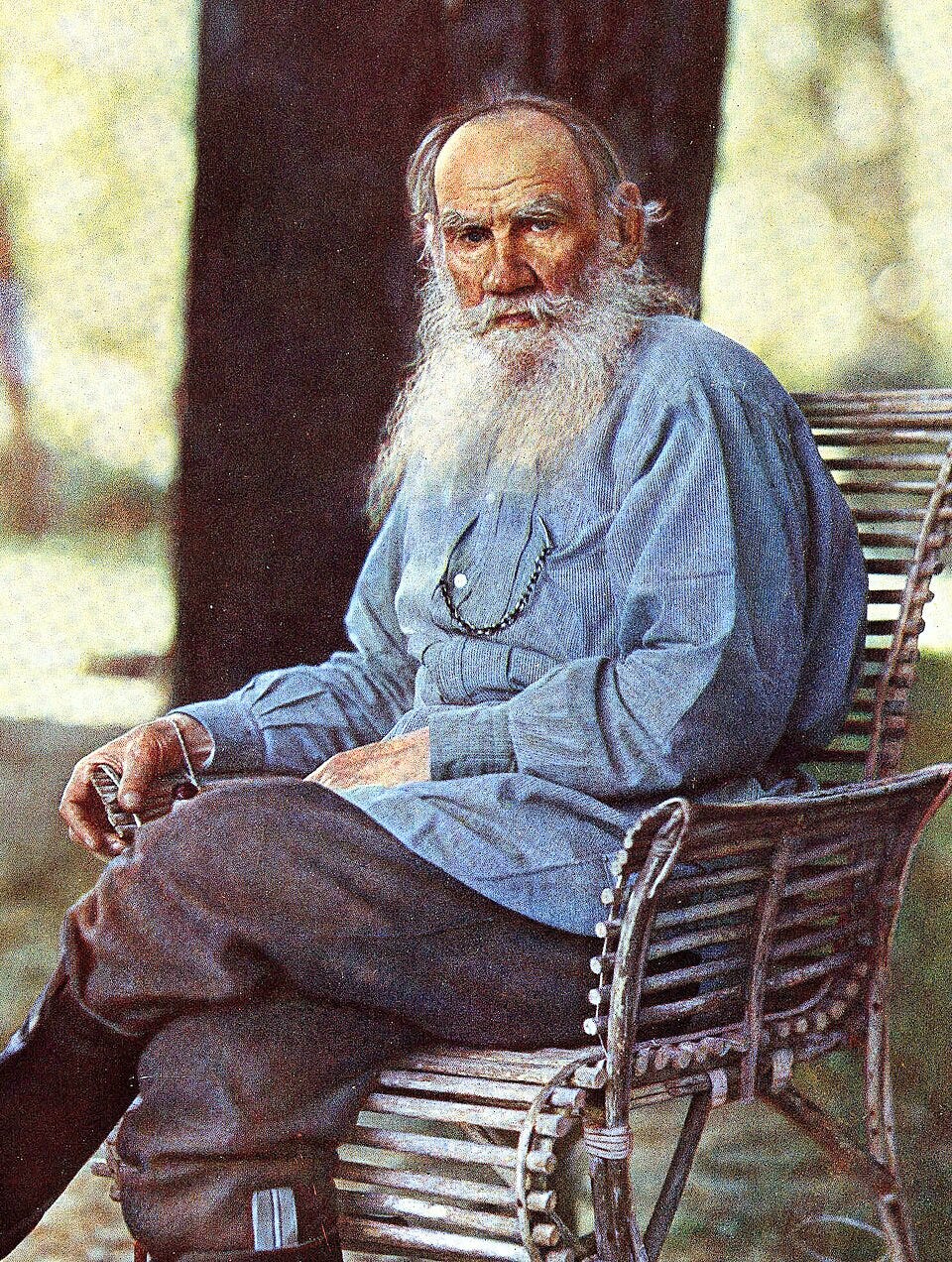
Few stories offer a richer meditation on death and life’s meaning than Tolstoy’s The Death of Ivan Ilyich.
It tells the tale of Ivan Ilyich, an ambitious court official driven to succeed by any means necessary.
He follows the exact playbook society tells him to follow — works hard, succeeds in school, gets a good job, and a trophy wife. But it’s at the height of his career, midway through life, when he falls ill.
Not only does Ivan realize he’s going to die, he uncovers a greater spiritual horror awaiting him behind his sickness. He questions if his entire life was nothing but a lie.
And yet, it’s in the very clutches of death where Ivan, for the first time, discovers what it truly means to live.
What exactly did he discover?
Today, we’ll uncover just that.
Here’s The Death of Ivan Ilyich, and Tolstoy’s wisdom about finding life’s meaning in the face of death.
I offer private mentorship in the Great Books for those seeking clarity of vision and depth of soul. Inquire here.
If you’d like to support this work and receive future writings, you can subscribe below.
A Man of the World
So first, who exactly was Ivan Ilyich?
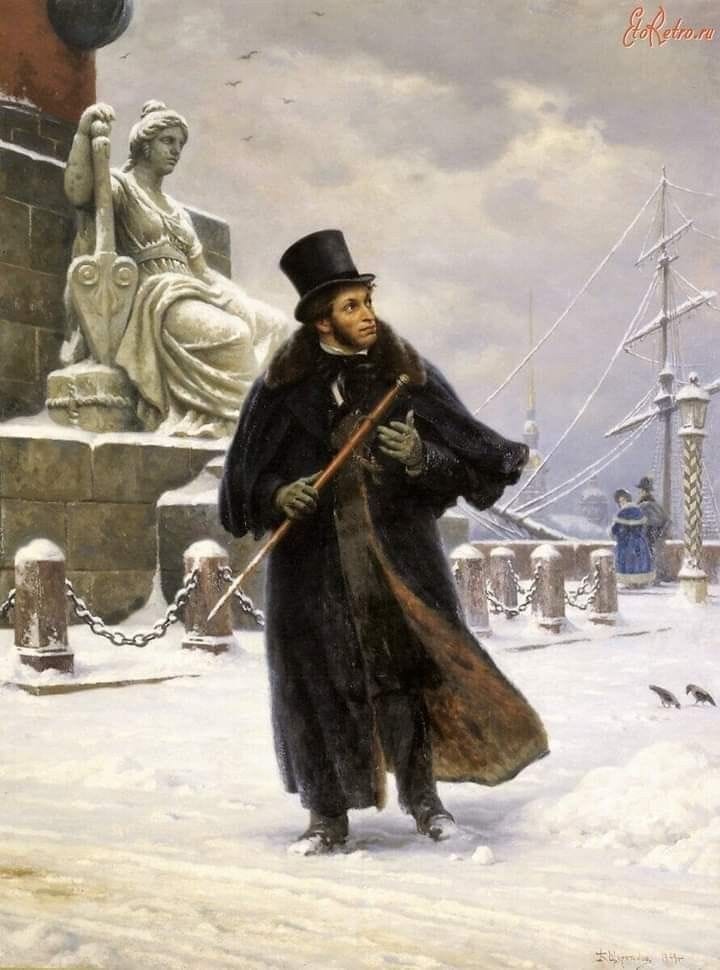
Aside from his ambitions, Tolstoy writes:
“He was a capable man, cheerful and kind, sociable and convinced of the need to follow the path of duty — duty being anything so designated by higher authority.”
This simple sentence is the creed Ivan lives by. He orients his life and manners around the “higher authorities,” of his world. With each new job he takes, or city he visits, he seeks out the affluent, learns their ways, and joins their company.
By his 40s, he’s wealthy with a wife and two children. His marriage was not based on love, but status. He and his wife tolerated each other, and their lives were comfortable.
Yet soon, he’d discover this very “happiness” was doomed to crash down.
A Fall from Grace
One day Ivan’s hanging upholstery in his dining room, when he slips and slams his torso into a piece of furniture.
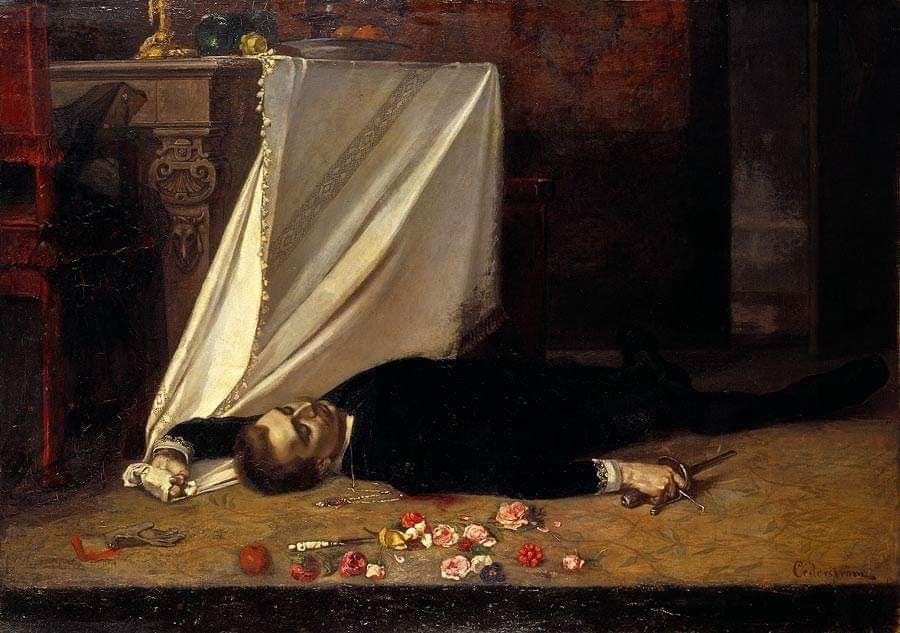
The fall wasn’t terrible, but the pain lingered in his ribs.
Worse yet, the pain grew. Ivan consulted doctors, but their medications didn’t help. The pain worsened, Ivan grew feeble, and eventually bed ridden.
Finally, one evening, the inevitable dawns on him:
“‘Oh God! Oh God!’ he muttered, ‘It’s not going away…
My life is steadily going away and I can’t stop it. No. There’s no point in fooling myself. Can’t they all see — everybody but me — that I’m dying?’”
These words mark the beginning of a spiritual crisis that will haunt Ivan to the last minutes of his life.
But there’s a long road of despair to travel first, before Ivan can be granted a death he so despises.
Ivan against the World
As Ivan wastes away in his bed, he begins to despise mankind.
Why?
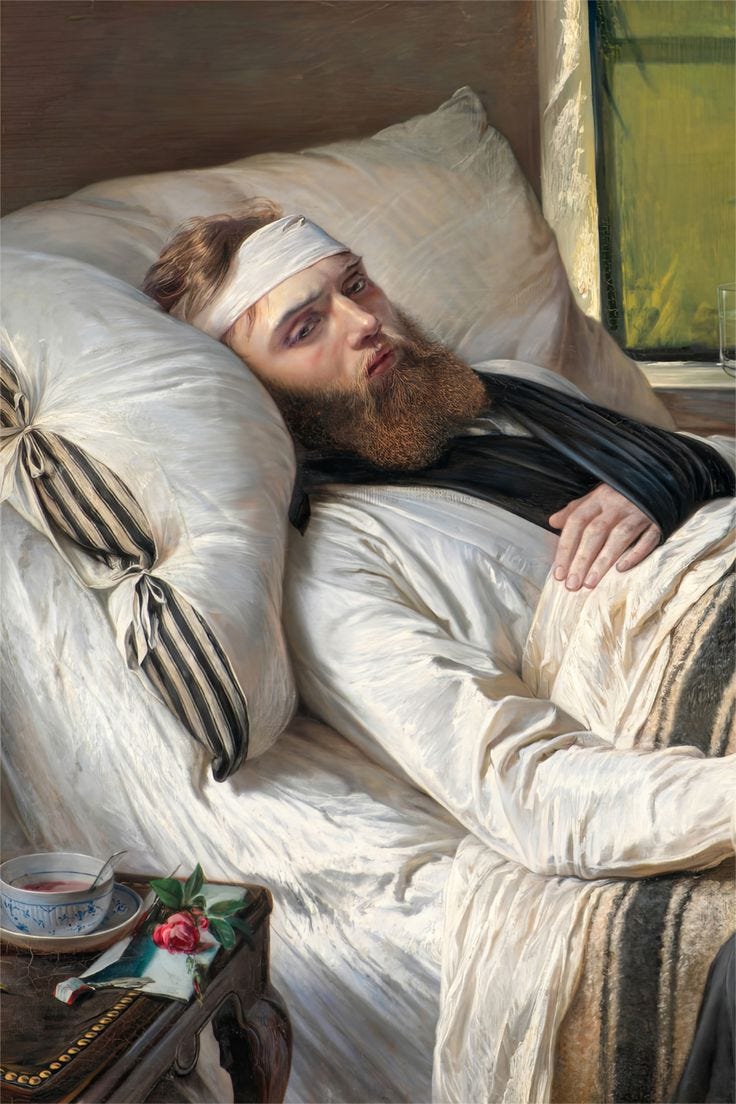
No one else acknowledges that he’s dying.
His wife tells him to trust in doctors and stop worrying. The doctors themselves are impersonal and indifferent. His friends don’t inquire — at best they show disdain when his illness inconveniences their games of cards.
So Ivan hates them for their willful ignorance, yes, but there’s a deeper reason too:
He hates the hollow superficial nature of their souls. And yet, this leads him to an even deeper epiphany:
He hates the world, yet he realizes that the world is but a mirror held up to himself. In other words, the very people he hates are but a reflection of the very person he became — someone solely concerned with trivial matters of status, wealth, and fame.
In despair, he fears his life was but a lie.
He succumbs to a massive bout of physical and spiritual suffering. For three days and nights, he will writhe and scream in delirious pain, and he won’t escape this fit alive.
And yet, in these final moments of despair, Ivan finally discerns the one true Light that had ruled over his life all along.
Here is what Ivan sees at the very end.
