

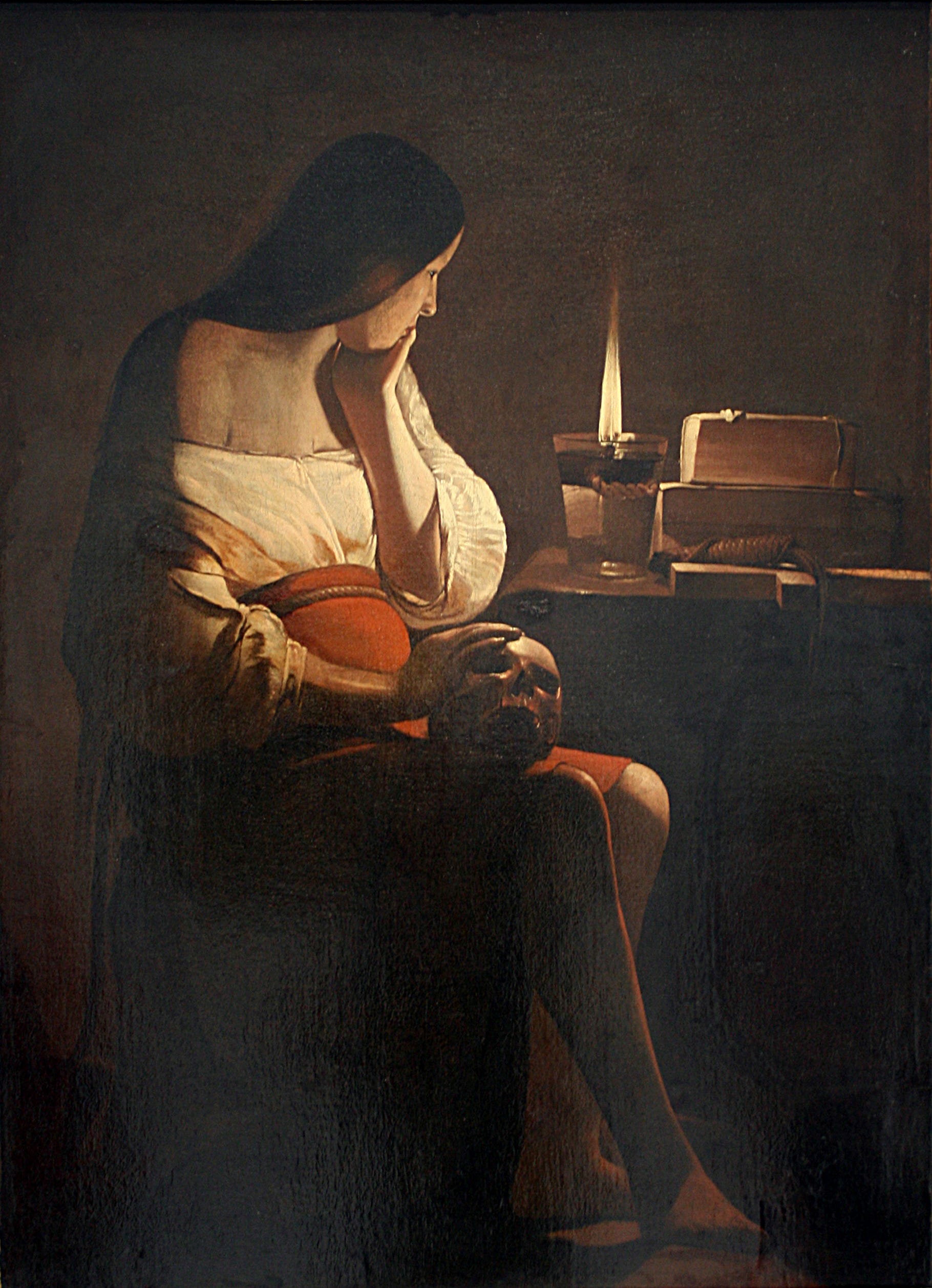
Blaise Pascal is perhaps one of the most fascinating but overlooked philosophers of modernity.
This man was a polymath in the best sense of the term, leading a life of remarkable achievements in the fields of mathematics, physics, engineering, theology, and philosophy — to name just a few of his disciplines!
Perhaps the most enduring work of his lifetime was, of all things, a piece of work published posthumously, called The Pensées (literally, “Thoughts”). This work existed as merely a collection of fragmented writings and notes, yet it’s now widely revered as a masterpiece of French literature, existential philosophy, and Christian apologetics.
It’s in this work that — in a single sentence — Pascal captured the heart of the unhappiness of the human condition, why modern man today remains so unhappy, and what it takes to live a life of genuine happiness.
And coming from a world-renowned polymath, his actual answer is much simpler than you’d think.
Today then, we’ll dive into one of the most influential ideas of the Pensées, and how it can help you lead a life of happiness.
I am 100% reader-supported. This newsletter is free, but if you’re able to support, please consider a paid membership — it helps my mission of sharing Truth, Beauty and Goodness with maximal reach
As a paid member, you’ll get:
Two full essays a week
Access to all recordings (past & future) of my Great Books lectures on this publication
Eternal gratitude from me
Man’s Inability to “Be”
Again, the Pensées is a posthumous collection of notes — so the scope, ideas, and ambitions are equally vast, daring, and yet disconnected.

It’s not so much a neat, carefully articulated building of an argument on the human condition drawn over several hundred pages, rather it’s a collection of insightful, jarring, and challenging ideas.
And perhaps one of the most jarring is this single, bold, declarative sentence:
“All the unhappiness of men arises from one single fact: that they cannot stay quietly in their own chamber.”
At first, this sentence seems easy to skim over, or dismiss as rhetorical flourish, but Pascal is actually making a very insightful claim about our nature here.
First, let’s notice an observable fact — today, modern man cannot stay quietly in his own chamber. It’s eerily prophetic that Pascal wrote those words in 1662, for they ring tenfold truer in the year 2026.
Consider the typical day of a 25-year-old:
They wake up to their phone alarm, and if time permits, spend their first minutes of the day doomscrolling on their phone.
Their phone then accompanies them to the bathroom, and to breakfast.
In the shower, the phone plays music.
On the drive to work, the radio plays.
On break at work, texting, social media, and doomscrolling continue.
At night, streaming television is the preferred form of leisure.
And for many, falling asleep is accompanied by Netflix playing in the background.
Now of course, everyone’s routine is different, but the point stands — the typical modern man carries mind-numbing entertainment (distraction) with him every minute of the day if he so desires.
This luxury allows us an escape from the “boredom” of the mundane, but it comes with a hidden cost that few people understand.
And if we’re to take Pascal seriously, the hidden cost of this distraction is nothing but one of the chief causes of despair in our lives.
You should linger on this thought before we continue. I urge you to ponder the fact that, in many ways, modern society is engineered from the ground up to prevent us from moments of silence and stillness…
The Root of Unhappiness
Let us now return again to Pascal’s key idea:
“All the unhappiness of men arises from one single fact: that they cannot stay quietly in their own chamber.”
We now may grant the latter half of this observation — man cannot stay quietly in his chamber.
But why does Pascal deem this the cause of “all the unhappiness” of man?
Well, let’s give context to Pascal’s claim. This appears in the section on the vice of “diversion” (often numbered 139).
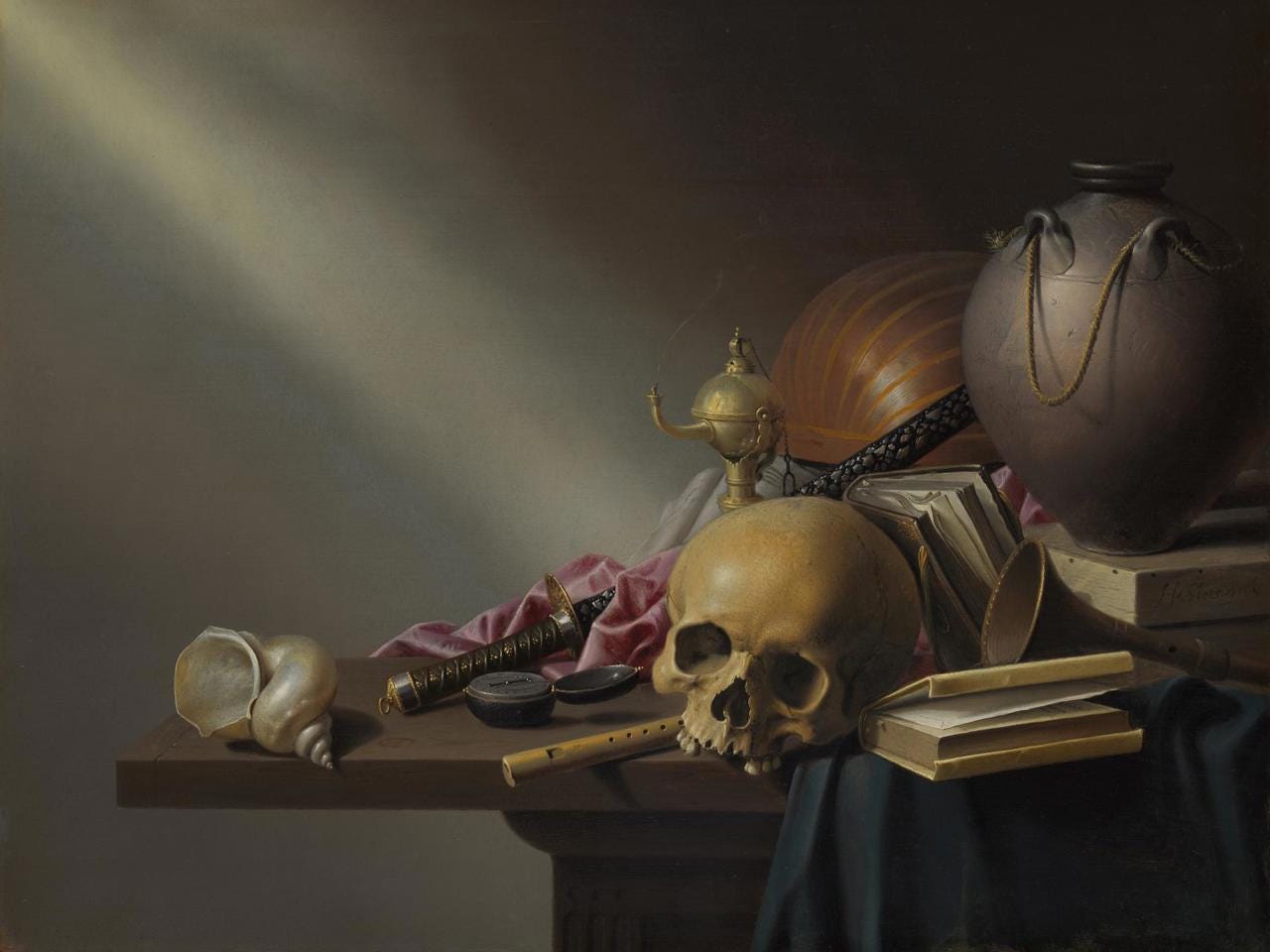
Pascal essentially understands diversion as any activity through which man distracts himself from the painful realities of his condition — namely that life is precarious, we are fragile, and one day we will die.
In his own words, diversion is caused by:
“the natural poverty of our feeble and mortal condition, so miserable that nothing can comfort us when we think of it closely.”
Thus we seek diversion, usually in the form of false worldly security. Most of modern man today believes he’ll be relieved of anxiety if he had but more money, and a nicer house in a nicer neighborhood.
Today, we call that the American Dream. Back in Pascal’s day, you called it becoming a king. But Pascal confirms that not even the comforts of a throne, or material wealth, will bring man the solace he desires:
“when we imagine a king attended with every pleasure he can feel, if he be without diversion, and be left to consider and reflect on what he is, this feeble happiness will not sustain him; he will necessarily fall into forebodings of dangers, of revolutions which may happen, and, finally, of death and inevitable disease; so that if he be without what is called diversion, he is unhappy, and more unhappy than the least of his subjects who plays and diverts himself.”
This becomes the first of many temptations Pascal considers — including pleasure, play, and the distraction of a beautiful woman.
If we ponder this, we see that Pascal has painted a broad, piercing, and chillingly accurate scope of the human condition:
Much of mankind lives a life of idle diversion to distract itself from the fear of death.
As such, many men live lives that are, in a sense, “lies,” for they are wasted upon folly, distraction, and the enslavement to pleasure that denies man knowledge of his nature and destiny.
Henry David Thoreau would later agree with this sentiment, stated a tad more succinctly:
“The mass of men lead lives of quiet desperation.”
But is diversion really that bad? Is Pascal not being too judgmental?
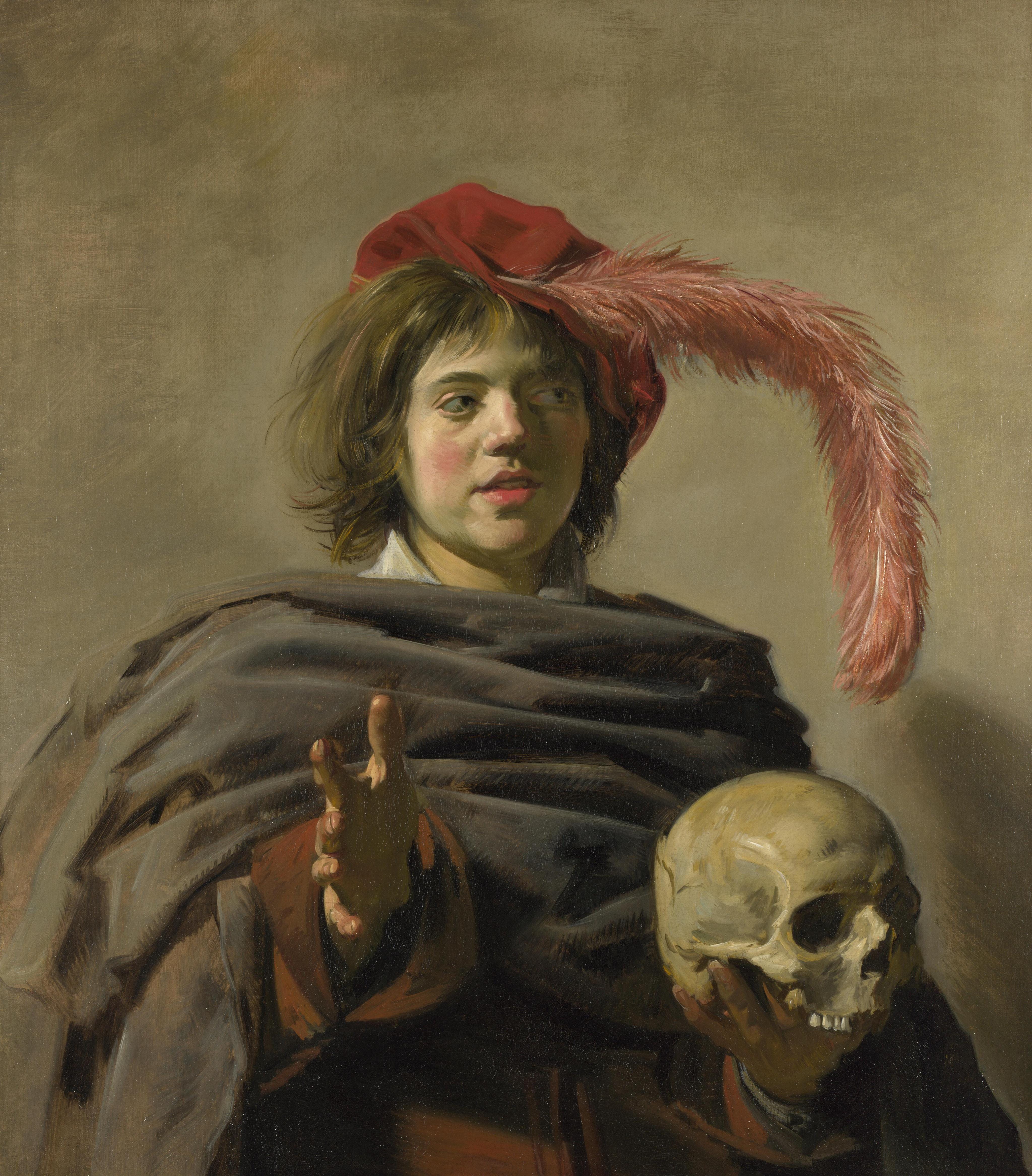
We might say so, but an average conversation with the average man at the local bar, church gathering, AA meeting — or any function where substantive conversations about life take place — suggests that Pascal’s diagnosis is not nearly as exaggerated as it might first appear.
The fact remains: most men are fundamentally unhappy.
And that’s because this diversion — or fear of death — points to a much deeper truth of the human condition.
Pascal realizes that behind our greatest fears lies our greatest desires as human beings, and what it actually takes to end a lifetime of longing, yearning, and heartbreak.
It all traces to one single insight drawn from this pattern of human diversion…
