

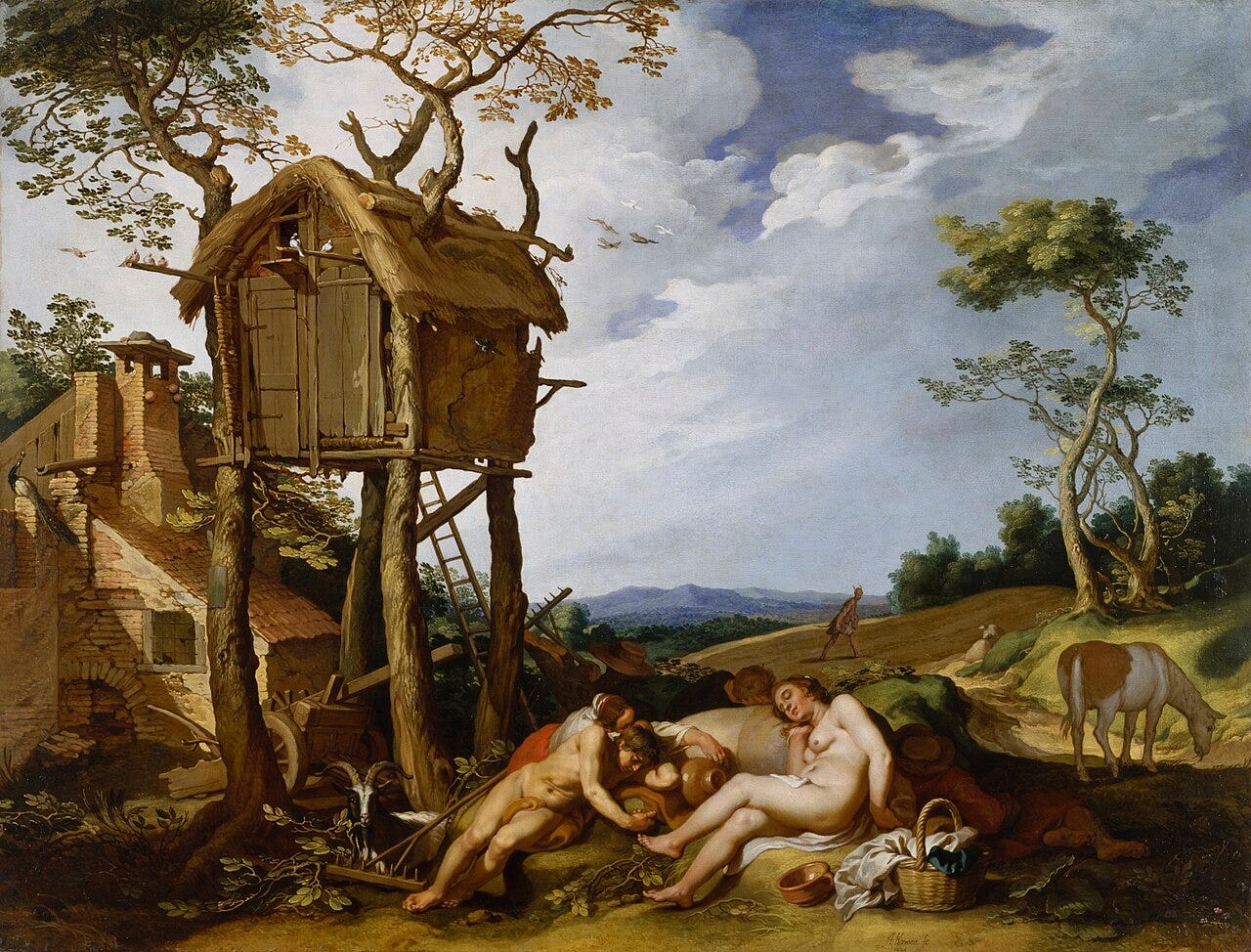
Sloth is the most misunderstood of the seven deadly sins.
Recall that the deadly sins are the capital vices that form the roots of all human evil. To let even one of these vices rule you is to expose your spiritual and moral life to a litany of temptations, distractions, or even corruptions.
As such, it’s paramount that we understand these vices, for nothing can be conquered that is not first understood.
But why is Sloth the most misunderstood of the deadly sins? Isn’t it obvious that laziness is bad?
The problem is, sloth is not just laziness. In totality, its roots run much deeper and encompass far greater temptations than that of the couch-potato.
Josef Pieper understood this better than almost anyone else. His essay Leisure: The Basis of Culture, diagnoses why modern man is spiritually drained, overworked, and fundamentally unhappy with his existence.
He notes the cause of this unhappiness is our embracement of a “total work culture,” but this culture, surprisingly, takes its roots in the sin of Sloth itself.
Here then, is Pieper’s breakdown of the full evils of Sloth, and how to conquer them...
I am 100% reader-supported. This newsletter is free, but if you’re able to support, please consider a paid membership — it helps my mission of sharing Truth, Beauty and Goodness with maximal reach
As a paid member, you’ll get:
Two full essays a week
Access to all recordings (past & future) of my Great Books lectures on this publication
Eternal gratitude from me
(This is part 2 of a 4-part series on rediscovering human leisure. You can find part 1 here).
The Real Meaning of Acedia
First, we’re now going to start referring to sloth by its earlier, traditional name, which is acedia.
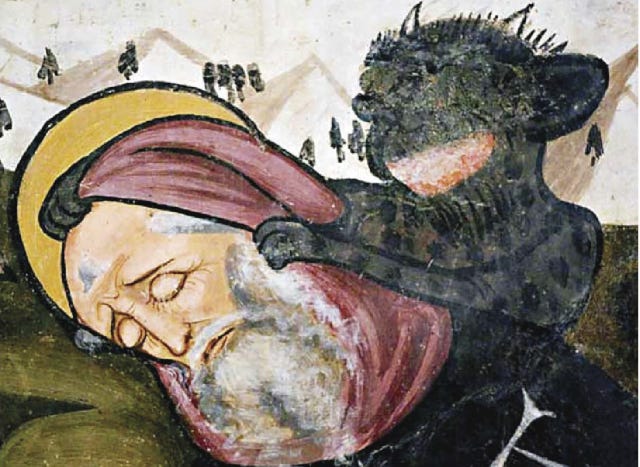
Pieper gives us the full, historical definition of acedia, which is far more than laziness, idleness, or sloth:
“Acedia does not signify the ‘idleness,’ we envisage when we speak of idleness as ‘the root of all vice.’
Idleness, in the medieval view, means that a man renounces the claim implicit in his dignity. In a word, he does not want to be as God wants him to be, and that ultimately means that he does not wish to be what he really, fundamentally is.”
So acedia is not merely laziness, but a fundamental rejection of your true nature. That means that laziness is a type of acedia, as the man who spends his free time binging television and doom-scrolling rejects his potential.
But surprisingly, hard work is not the answer to acedia:
“The contrary of acedia is not the spirit of work in the sense of the work of every day, of earning one’s living;
it is man’s happy and cheerful affirmation of his own being, his acquiescence in the world and in God — which is to say love.”
Excessive work is just as spiritually destructive as laziness. You can work 70 hours a week, have six-pack abs, and run a fortune-500 company, and suffer just as much from acedia as the lazy man with a pot-belly.
Now that we’ve defined acedia, we can begin to discern that its evils run far deeper than what “sloth,” implies…
Embracing the Extremes
Let’s now consider the phrase, “the greatest trick the devil he ever played was convincing the world he doesn’t exist.”
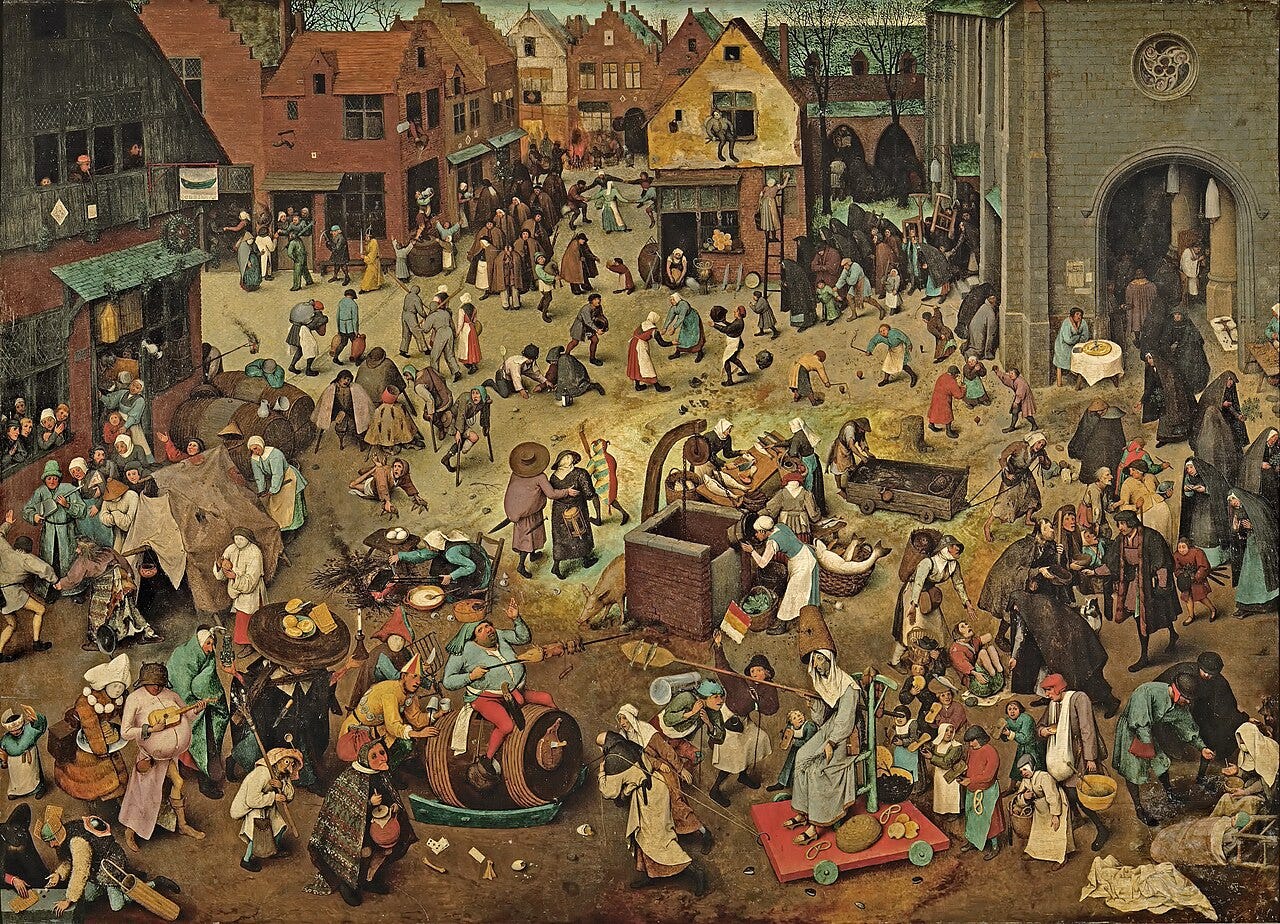
The means you are most vulnerable to the evils you have no awareness of. And as we discussed in last week’s article, today’s world is a functional culture that celebrates total work by all means. Consider the messaging of the modern world:
If you’re truly lazy, modern “therapy-culture,” says you shouldn’t feel guilty about it. Just accept yourself!
Red pill ideology tells men happiness is found by ceaseless striving — six figures, six pack abs, six feet tall (looksmaxxing)
Feminism exhorts women to become a business executive, the leader of the home, and perhaps a mother, all at once
The tragic reality is not just that we’ve grown ignorant about the true roots of acedia, rather acedia itself has become the object of celebration! The world exhorts us to embrace the extremes that fundamentally oppose the nature of who we are as human beings.
Recall that Pieper defined the opposite of acedia as, “man’s cheerful and happy affirmation of his own being.”
The question now remains, what exactly does it mean for man to affirm his being?
Leisure and the Roots of Despair
Next, Pieper points out how modern man’s sense of spiritual despair traces explicitly to acedia:
“[Acedia is the source] of that deep-seated lack of calm which makes leisure impossible…
One of the children of acedia is despair, which amounts to saying that despair and the incapacity for leisure are twins”
So leisure is the answer to acedia and modern man’s sense of despair. Leisure is that which conquers nihilism and fuels our lives with meaning.
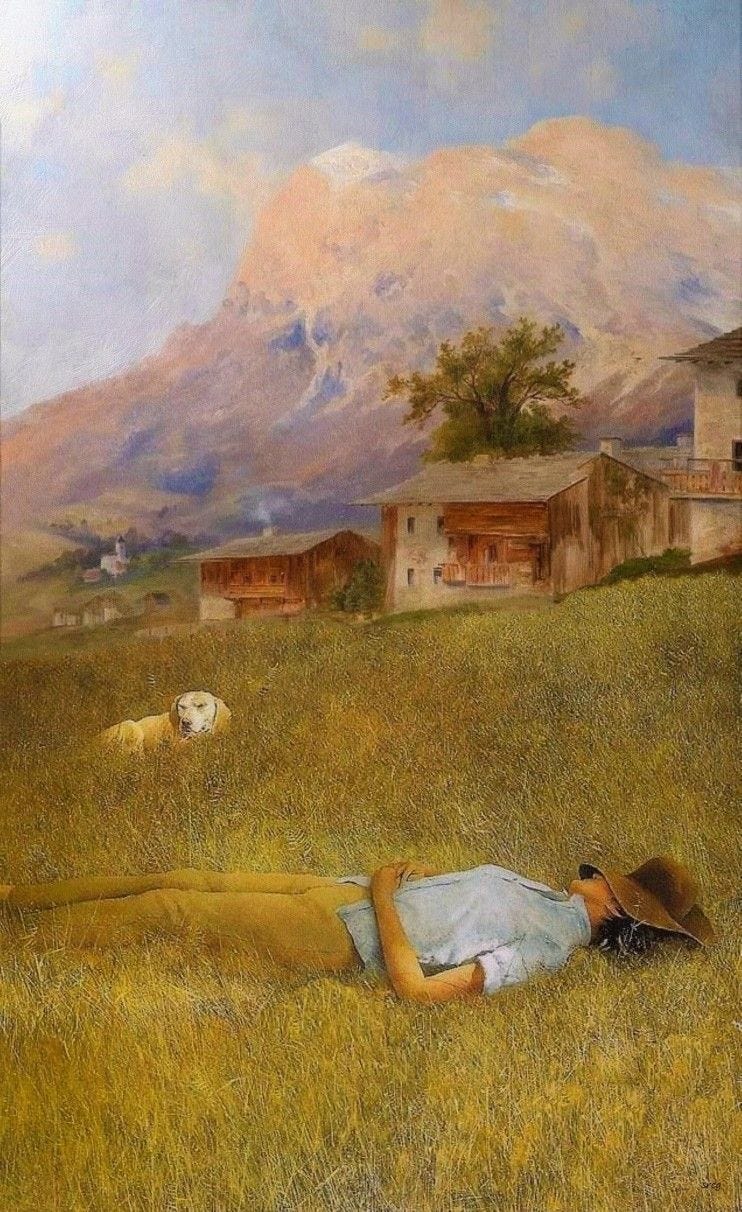
Recall that Pieper says leisure begins with contemplation — that state of passive receptivity when we cease to strain ourselves, and open our minds up to the beauty of being. This is done by pondering philosophic truth, religious worship, or beauty, like the sudden calm at the sight of a sunset.
In Pieper’s own words:
“Leisure is not the attitude of mind of those who actively intervene, but those who are open to everything.”
This sounds nice, but how do we become open to everything? We can’t force calmness into our being at will. Is there an art then, to practice leisure?
The answer, implicitly, appears to be yes. And you can appreciate this art by understanding the meaning of the festival:
“In leisure, man too celebrates the end of his work by allowing his inner eye to dwell for a while upon the reality of the Creation. He looks and he affirms; it is good.
Now the highest form of affirmation is the festival… To hold a celebration means to affirm the basic meaningfulness of the universe and a sense of oneness with it, of inclusion within it.”
In other words, every party is mankind making an implicit, cosmological affirmation: life is good.
Note then that the festival, and leisure itself, distinguishes itself as more than a mere a break from work. You could spend a month on vacation in Hawaii and still live in the “world of work,” in which your mind is strained by anxiety, restlessness, and an inability to enjoy Being itself.
True leisure is not a rest from work, so that you can be refreshed for more work, rather it’s about connecting with the fullness of your nature, and appreciating your nature’s connection with the cosmos:
“The power to know leisure is the power to overstep the boundaries of the workaday world and reach out to superhuman, life giving existential forces that refresh and renew us before we turn back to our daily work.”
True leisure then, is relational. It’s the rest and joy that affirms life is good, and is about rediscovering who you are. And this self-knowledge is realizing that you share a connection to your fellow man, the natural world, and the divine. True leisure then, is the art of contemplation, the self-knowledge of perfecting these relationships, which results in a peace that surpasses understanding.
This is why festival and contemplation are the direct antidote to acedia: whereas sloth is the refusal of the gift of one’s own being, leisure is the process of receiving the gift of one’s true self.
Next week, we’ll continue this journey by looking at how to not only master this art of leisure, but work to restore its proper place in a self-destructive civilization of work, productivity, and total functionality.
I am 100% reader-supported. This newsletter is free, but if you’re able to support, please consider a paid membership — it helps my mission of sharing Truth, Beauty and Goodness with maximal reach
As a paid member, you’ll get:
Two full essays a week
Access to all recordings (past & future) of my Great Books lectures on this publication
Eternal gratitude from me
Remember the idol: Comfort, soft but blind,
that asks no price and slowly steals the soul;
promising ease while leaving self behind,
numbing the aches that make our spirits whole.
Remember the vice that wears the mildest face—
acedia’s sorrow at the goads of pain;
complacency that lets adventure fade,
as we trade our worries for its chains.
Remember the Lord, who embraced suff'ring's crown,
refusing easy bread for better food;
And for joy’s sake, swallow'd sin and death down—
He chose the path of sorrows, for our good.
Here it is in the Odyssey: https://andrewsawyer.substack.com/p/the-way-home-part-3-the-cicones-and
Thank you for another fascinating read that broadens my understanding! Really appreciate your work.