

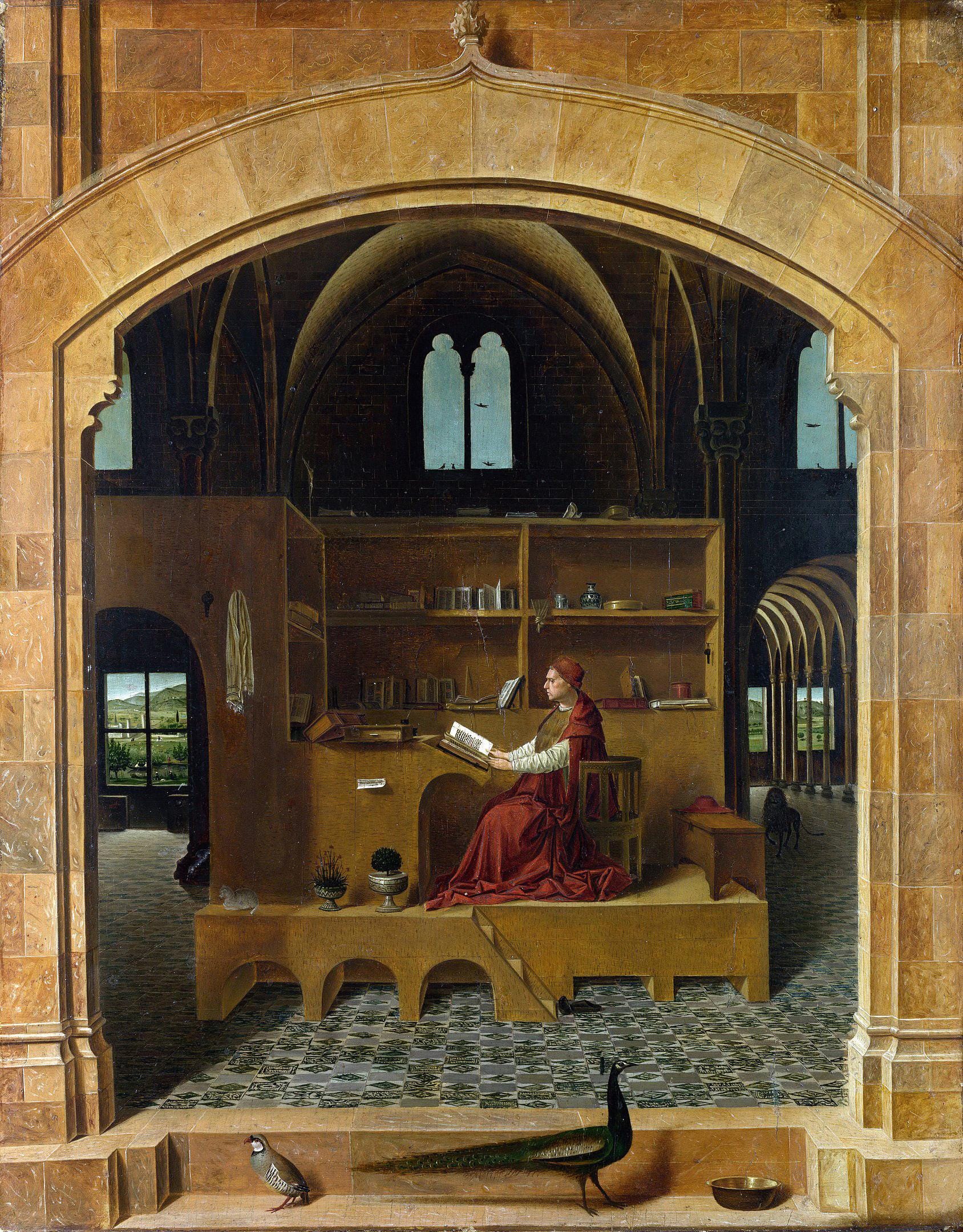
Real education is not what you think it is. In fact, most people have never received one.
Today we think of education as a litany of scattered disciplines that you study for careerism and social mobility.
Math is for engineers
Medicine is for doctors
Science is for biologists
Humanities are for poor people (it’s okay, I was an English Major!)
The philosophy of modern education is to pick a discipline, stay in your lane, graduate, and begin your career. But this is not what education is at all… For most of history, education was meant to set you free.
A classical education taught you the seven liberal arts so that your soul could be liberated — freed from confusion and vice, ordered toward wisdom, and capable of living a meaningful life.
So what did that education actually look like?
And how could it make you free?
Today we’ll look to recapture the wisdom of a classical education, and learn how to give ourselves the true education that we never had.
I offer private mentorship in the Great Books for those seeking clarity of vision and depth of soul. Inquire here.
If you’d like to support this work and receive future writings, you can subscribe below.
The 7 Liberal Arts
I’ve written in depth on the 7 liberal arts before, but I’ll briefly recap below.
The seven liberal arts were divided into two groups:
The Trivium — Grammar, Logic, Rhetoric
The Quadrivium — Arithmetic, Music, Geometry, Astronomy
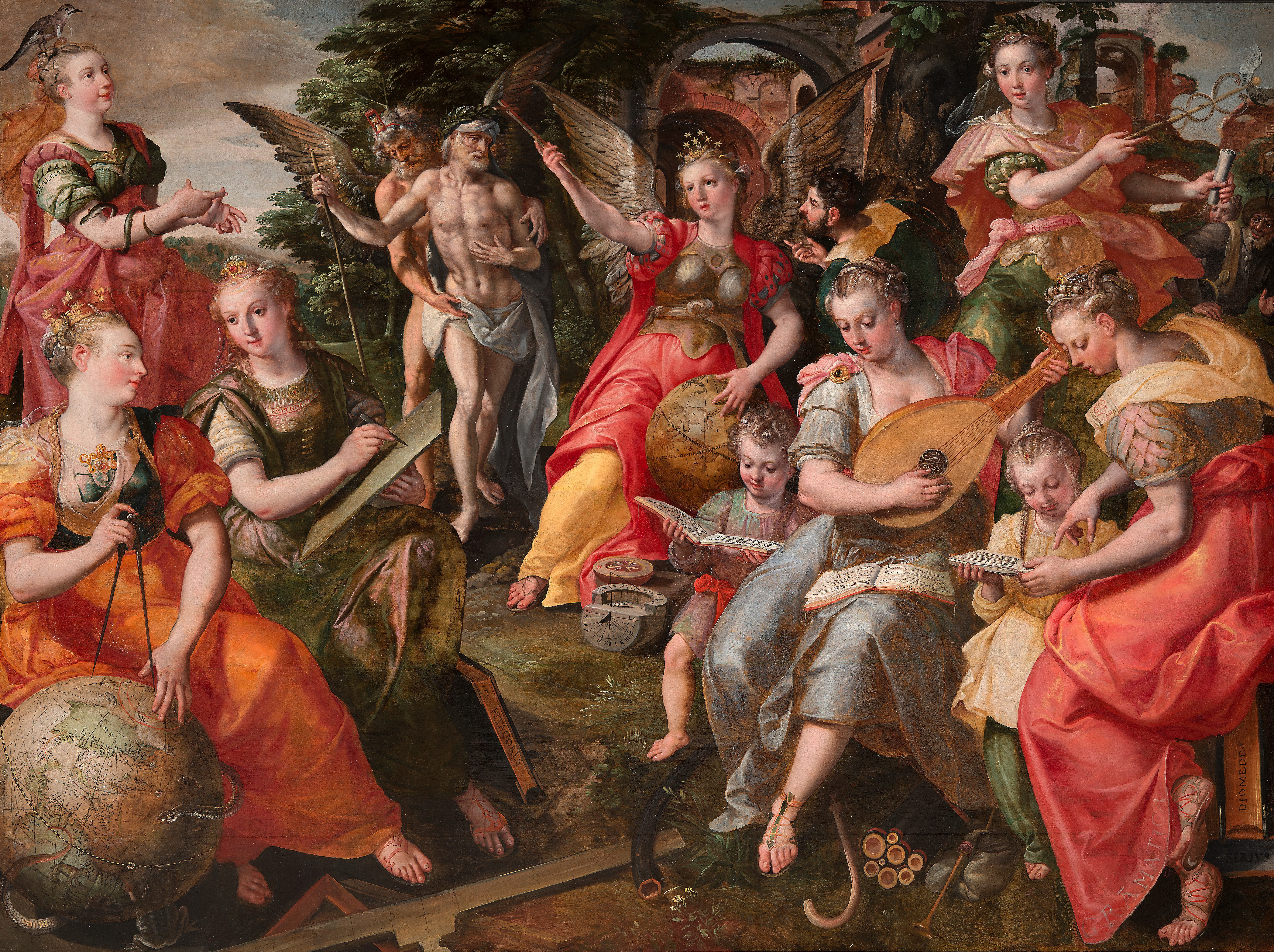
Your education would begin with the Trivium:
Grammar teaches you how to read and speak
Logic teaches you how to think
Rhetoric teaches you how to express truth persuasively
Once you could think, speak, and articulate yourself clearly, you moved to the Quadrivium:
Arithmetic — number in itself
Geometry — number in space
Music — number in time
Astronomy — number in space and time
Why the emphasis on numbers? Because the Quadrivium is about training you to see order in reality itself. You learn that nature has an intelligent design, and that you are connected to it:
You belong in the cosmos.
Despite this outline, however, it’s not yet obvious how this education is distinct from modern education. All of these disciplines, in some form, still exist today.
The difference of a true liberal arts education, however, is not simply what you study, but why you study it.
It’s All Connected
In a nutshell, a classical liberal arts education taught you how to find God.
This doesn’t mean that you have to be strictly religious to receive a true education, but if you make God — the Ultimate, Transcendent Good — the end point of all education, it changes everything.
If your education is grounded in God, then the entirety of your education serves the same end: Goodness itself.
In other words, your education is no longer a set of scattered, independent disciplines. Instead, it becomes a deeply interconnected moral pursuit, teaching you to be attuned with truth, beauty, and goodness.
This interconnectedness is why the 7 liberal arts are presented as a wheel.
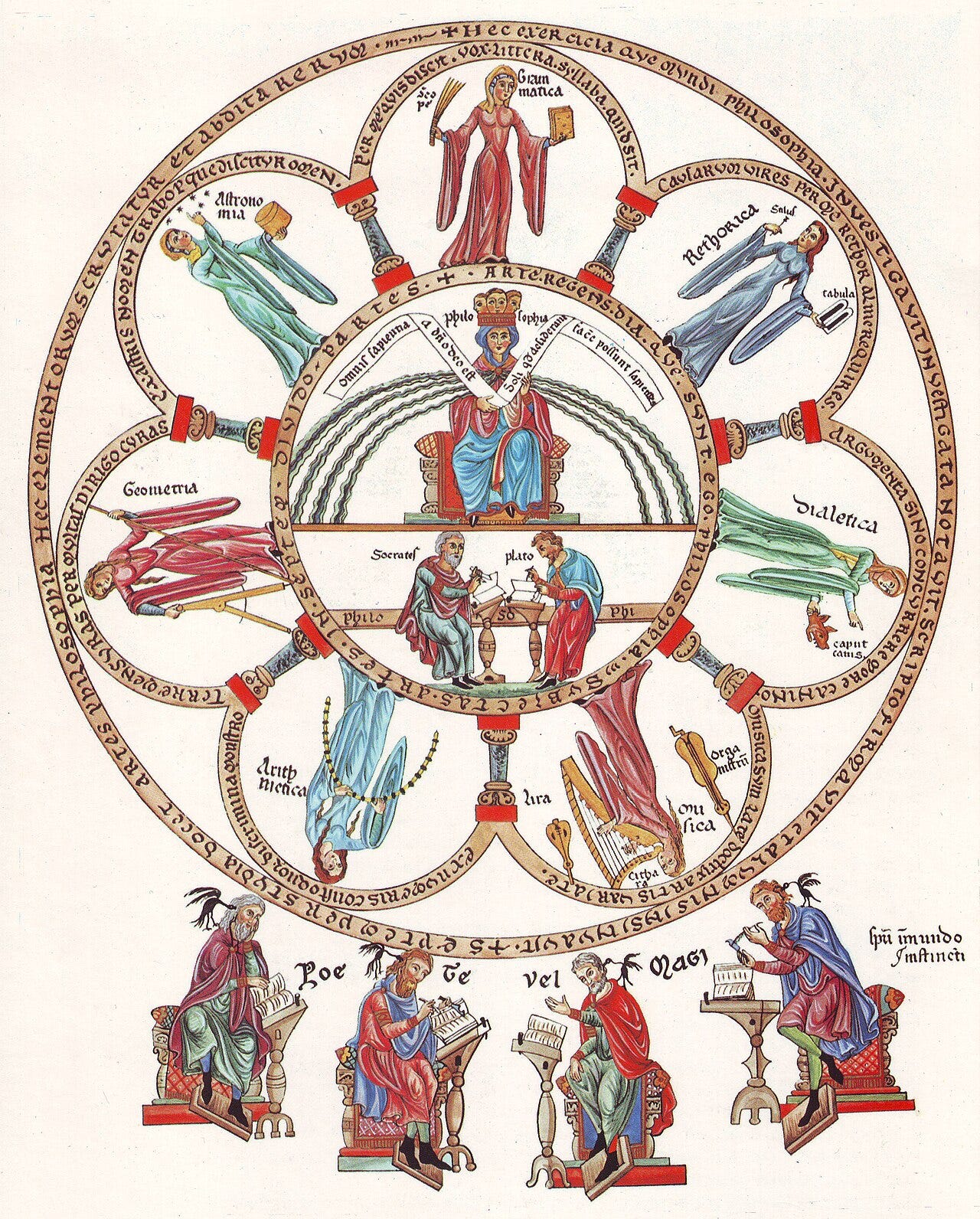
A true education is an encyclopedia, which literally means, “a circle of learning.”
Such an education assumes three key ideas:
Knowledge is ordered toward unity
The mind must be formed to perceive that unity
Learning is a returning motion — you circle back to older ideas, seeing more deeply each time
So in totality, education is about learning to be in harmony with reality — and more than that, it’s about transforming your soul itself.
This might sound strange, but let’s turn to symbolism to explain.
Have you noticed that the symbol of the 7 liberal arts looks strikingly similar to the rose windows of Gothic cathedrals?
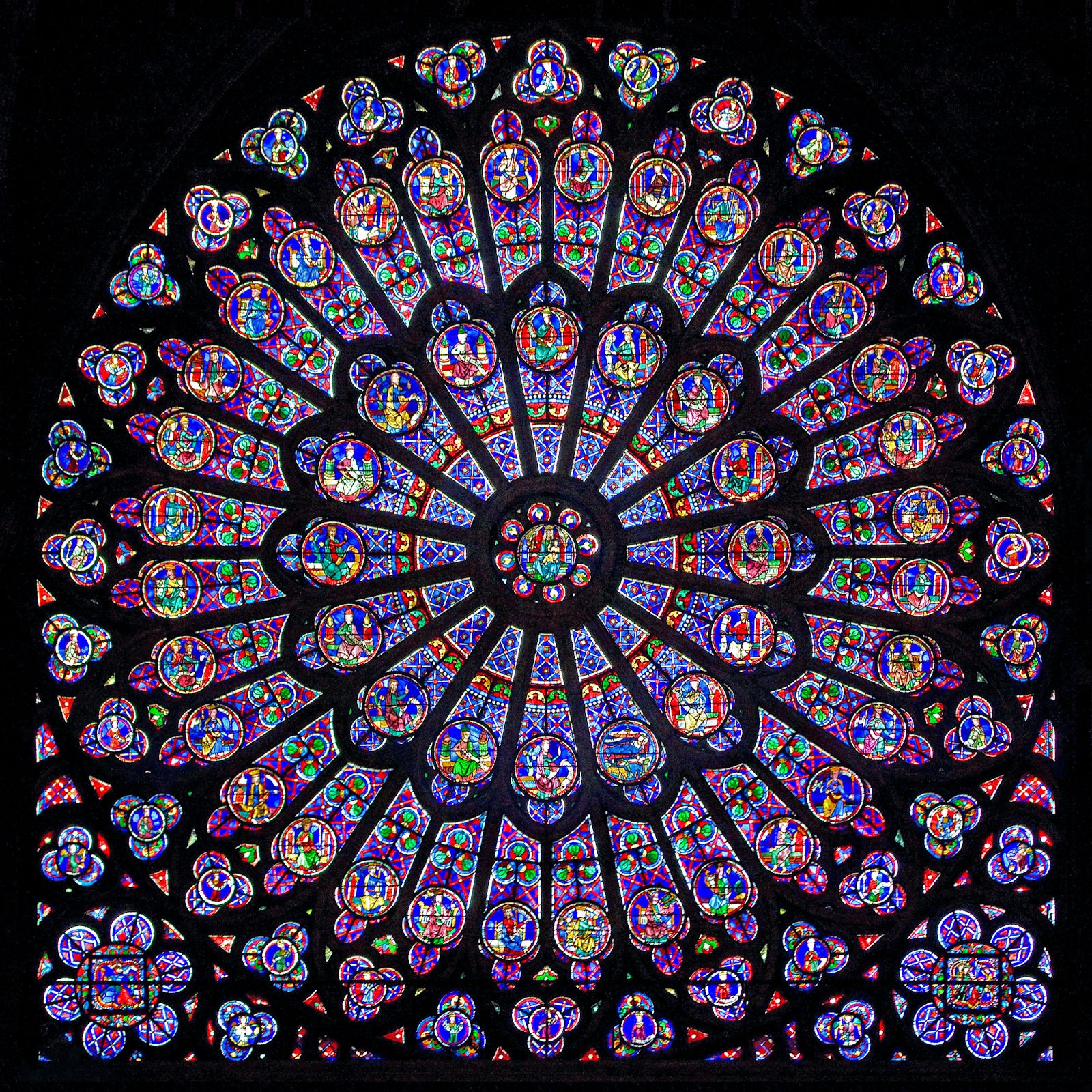
That’s not a coincidence. Rose windows are a symbol of Heaven. This implies reality is designed off their pattern… and this same circular pattern is the symbol of classical education in the liberal arts.
The implication is that the liberal arts liberate your soul by forming you according to the pattern of heaven itself.
Education, then, is preparation for eternity.
But how do you actually see this? How do you study in such a way that you’re not just learning knowledge, but learning to mirror the structure of Paradise itself?
Dante Alighieri answers that question in the Paradiso.
He reveals the connection between the liberal arts, the rose, and the final destiny of the human soul:
A life brought into perfect alignment with the divine, and how you can reach it yourself.
