


Below is one of the most tragic posts I’ve ever found on the internet.
A gentleman was interested in studying literature, specifically the Great Books, but feared it was impractical:
“What are the benefits of reading the Great Books?
I work in a factory, and due to some unusual circumstances, it is very likely that I will always be stuck with low level labor jobs, no matter how much education I get. I can’t have a career in academics or become a professor. So if I can’t have a career based on classical literature, then what’s it all for?
People often say the liberal arts make you free, but I know that reading Plato and Aristotle isn’t going to fix the problems in my life or get me a better job.”
I respect the humility of asking this in earnest, but the framing is disastrous. He assumes that the great books are primarily for careerism, and they otherwise cannot fix the problems in his life.
And yet, the opposite is true. If we assume he’s correct about his career — that he’ll be trapped in low level jobs he presumably dislikes for the remainder of his life — then perhaps the only bastion of meaning that can help him is reading the Great Books.
Because the Great Books don’t just provide you with entertainment, rather they teach you how to persevere and find redemption and meaning, especially when you otherwise feel trapped without escape.
Today, we’ll explore why, and explain to this gentleman why reading the Great Books can save you from a life of otherwise meaningless, unfulfilling toil.
I offer private mentorship in the Great Books for those seeking clarity of vision and depth of soul. Inquire here.
If you’d like to support this work and receive future writings, you can subscribe below.
Ancient Greece & Human Nature
The author’s assertion that reading Plato and Aristotle won’t fix his life problems is ironic, as it’s a statement of ignorance — he hasn’t read them, and is unqualified to say so.
But how can reading Plato and Aristotle help him if he’s trapped in inescapable labor he hates?
Well Plato and Aristotle both teach you a jarring realization:
Most human beings are miserable because they fundamentally do not know themselves, nor their life’s purpose.
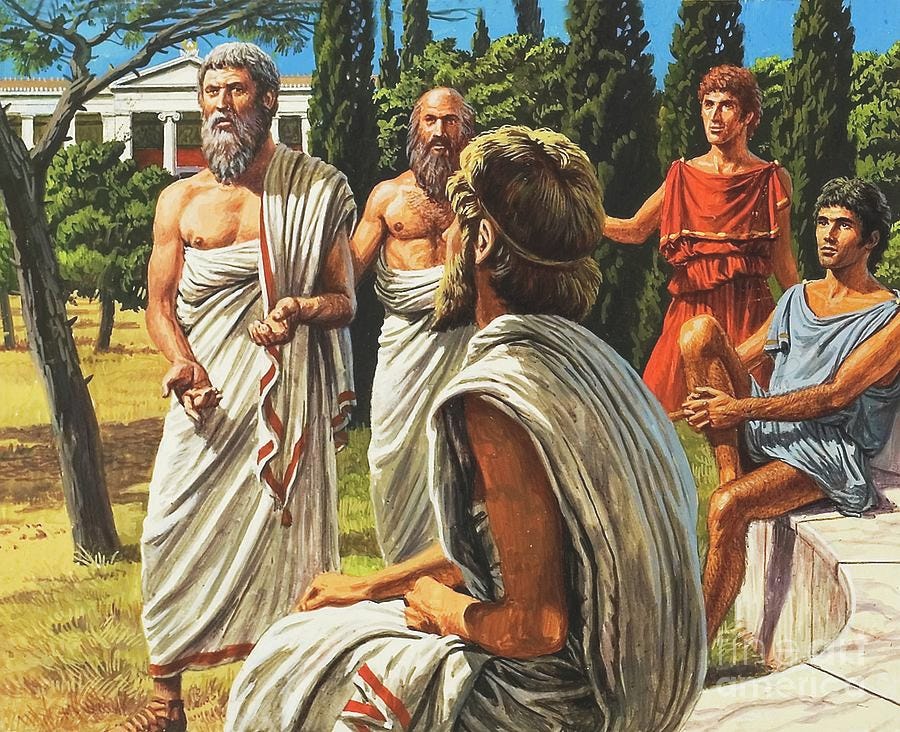
Stunningly, Plato thinks the most miserable people aren’t the impoverished, but the wealthy who have all their desires satisfied, while living in ignorance of virtue.
If you find yourself in similar circumstances — menial labor, loneliness, or a fear life is meaningless — then Plato and Aristotle become doctors to heal your aching soul.
They’ll reveal to you that you likely don’t know yourself, and that your wildest dreams might actually be nightmares if they came true. They instead help you find your true self, as you discover that true happiness begins from within through philosophy, truth, and virtue.
To invert the popular saying of scripture — what good can the world offer a man already in full possession of his soul…?
To the outsider this can understandably sound like a cope for “losers,” but Plato’s philosophy has triumphed for 2,400 years because no man who lives by his decrees finds his philosophy wanting.
To hit the point home for our friend above:
An impoverished but virtuous janitor is far more free, happy, and enthralled with life than the decadent “trust fund baby,” who lives by cravings and impulses.
Perhaps Plato and Aristotle alone won’t guarantee you a salary raise — but they’ll teach you virtue, temperance, and self-mastery. Such a man stands to not only find better job opportunities, but also can withstand the strains of life’s suffering in general, even in poverty.
Never forget that Socrates — the wisest of all — was himself gladly impoverished.
Life as an Adventure
So far, we’ve made a brief argument for reading Plato and Aristotle. But this doesn’t yet cover the full gambit of benefits for reading the Great Books.
A critic thus far could say we’ve presented a stoic vision of reality — a defeatist attitude of quiet resignation, seeking peace in our lowliness rather than despair. While there’s wisdom in this, one notes that man was not made for silent resignation.
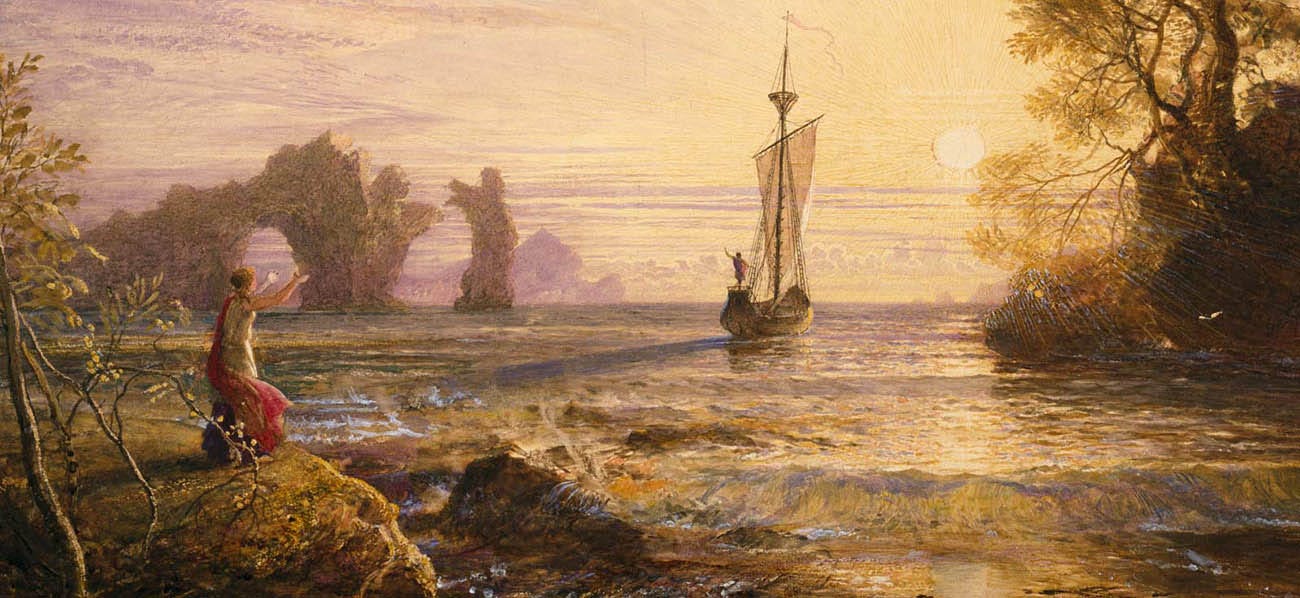
In totality, man was made for adventure. This adventure takes many different forms — some grand in stature, and some humble — but every one has a particular vocation in life that calls to them. You might consider this your destiny.
The Great Books continue to be helpful, because reading them seriously makes your life an adventure. The greatest epic poetry in history tends to be adventure stories that function as universal human allegories:
The Odyssey follows Odysseus battling the gods, monsters, and murderers for 10 years on his journey home.
The Aeneid follows Aeneas doing the same, called by the gods to found the Roman Empire.
The Divine Comedy is a trek through Heaven, Hell, and eternity as Beatrice calls her beloved Dante back to his vocation as a God-fearing poet.
These stories are grandiose and larger than life, but they’re also your story. You too are a pilgrim like Dante, walking the straight and narrow in a world undergirded by a spiritual war of good and evil.
You too are Odysseus, an exile battling with the sufferings of reality as you fight to build a life that resembles home.
You too are Aeneas, placed with a particular vocation — and the fates of your family and loved ones depend greatly on your ability to preserve in piety and gratitude for the divine and neighbor alike.
The author of the original post, by contrast, seems to believe that the aim of life is largely centered around utility, career, and social mobility to solve life’s problems.
The Great Books push back — life is about discovering your true self, but such a self-discovery is only found through adventure.
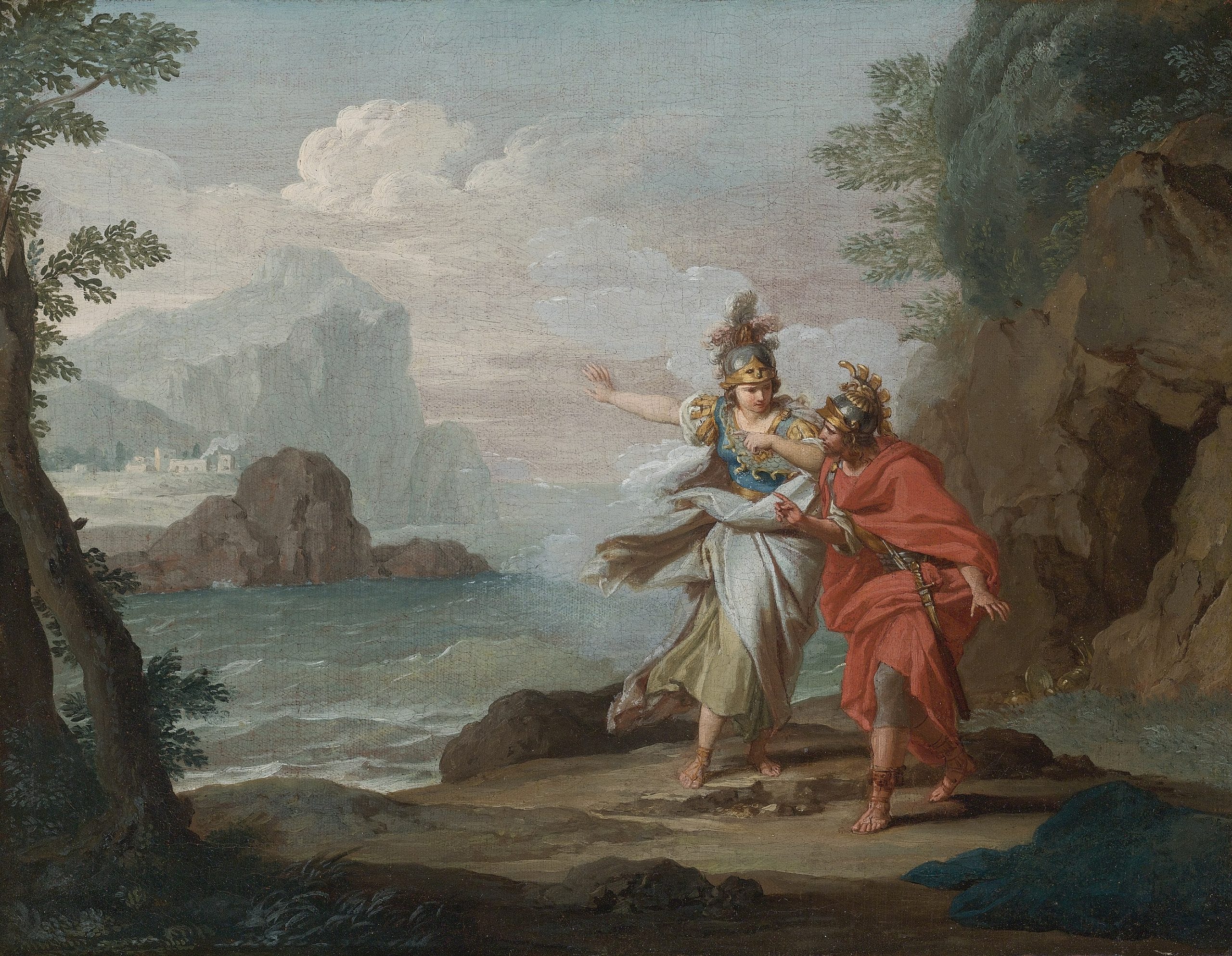
Only those who brave the desert — its storms, the scorching sun, the frigid nights, the hostile terrain — can discover what they’re truly made of. And only those few who do persevere on such a path find that there was no other path they could have taken.
And yet, adventure is not the final piece of life either.
Though the Great Books teach man virtue, courage, and adventure, they also reveal the danger of endless striving. No amount of glory, conquest, pleasure, or honor can permanently satisfy the restless soul.
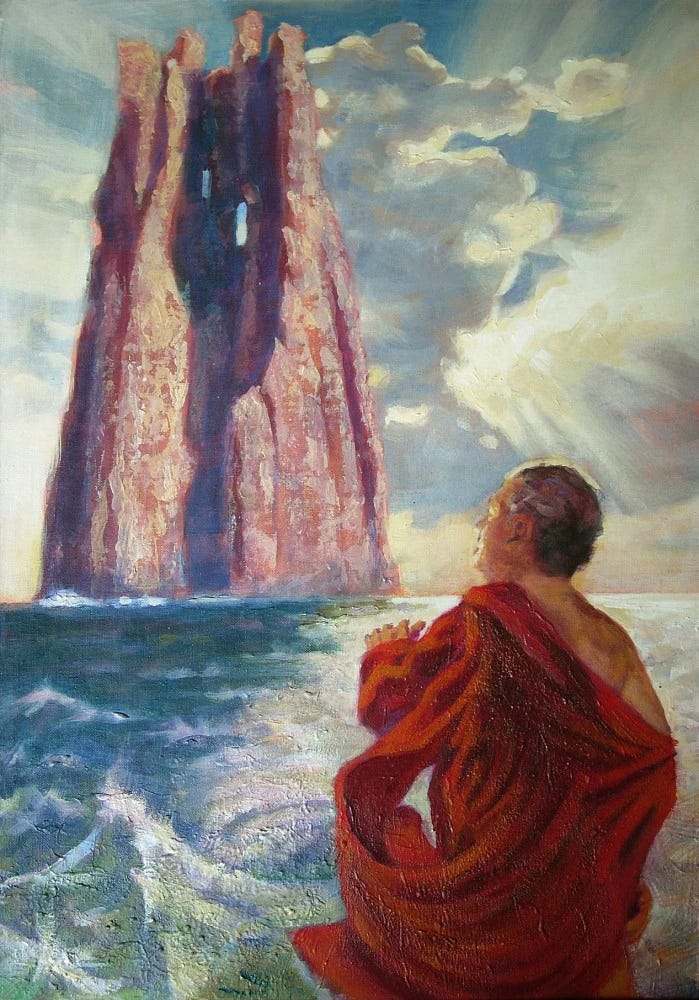
Dante understood this well. His Ulysses is damned in Hell precisely because he cannot stop wandering. Even greatness itself becomes a temptation when man seeks fulfillment in striving alone.
For man was not merely made to wander endlessly through storms and deserts. Eventually, he must find his way home.
And this is perhaps the greatest truth that the Great Books reveal:
You don’t read them to escape suffering, but to discover the final end toward which all human striving points.
