

Augustine’s City of God is arguably his magnum opus and it makes an audacious claim:
You don’t understand politics, world history, or what it takes to build a civilization until you understand what man loves.
Augustine wrote the work in the aftermath of the sack of Rome in 410 AD. At the time, pagan critics blamed Christianity for the catastrophe, saying Rome’s fall was judgment from betraying its pagan past.
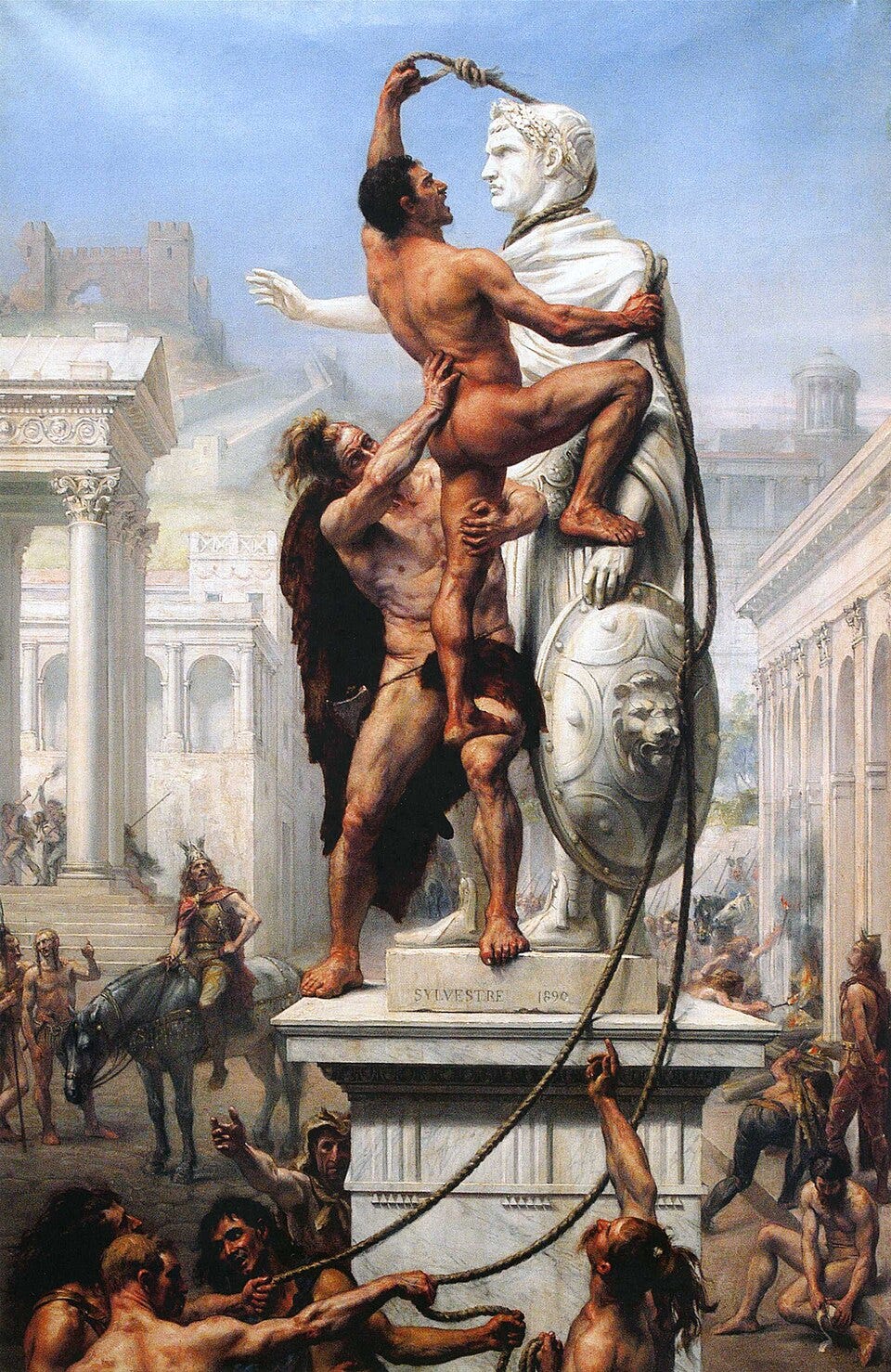
As such, Augustine was inspired to give a defense of the Christian faith, in which he famously rebukes and dismantles pagan religion and philosophy. Yet in totality, City of God became far more ambitious a work than a mere pagan hit piece.
Ultimately, City of God became a 1,000 page masterpiece offering a deep inquiry into human nature, history, politics, and civilization itself. And though the work promises to give a totalizing account of mankind’s story, its genius can be boiled down to a single idea:
All of human history can be understood as the story of two cities — namely the City of God, and the City of Man.
Understanding the Cities
These of course aren’t literal cities, but spiritual cities giving an account of how man orders his life.
How then, can you determine whether one is part of the City of God or man?
Augustine says you can tell based on your loves:
“two cities have been formed by two loves: the earthly by the love of self, even to the contempt of God; the heavenly by the love of God, even to the contempt of self.”
In other words, your destiny is shaped by what you love.
Man is fundamentally a creature of love, always oriented toward a conception of what he believes is the good. Thus the things we love most determine the kind of people — and eventually the kind of society — that we build.
The City of Man is ultimately ordered around the love of self. It is the city of pride: man seeking to exalt himself, his own glory, and his own power.
Augustine sees this pattern throughout history, from Babylon and Assyria to Rome herself.
The City of God, by contrast, is ordered around the love of God.
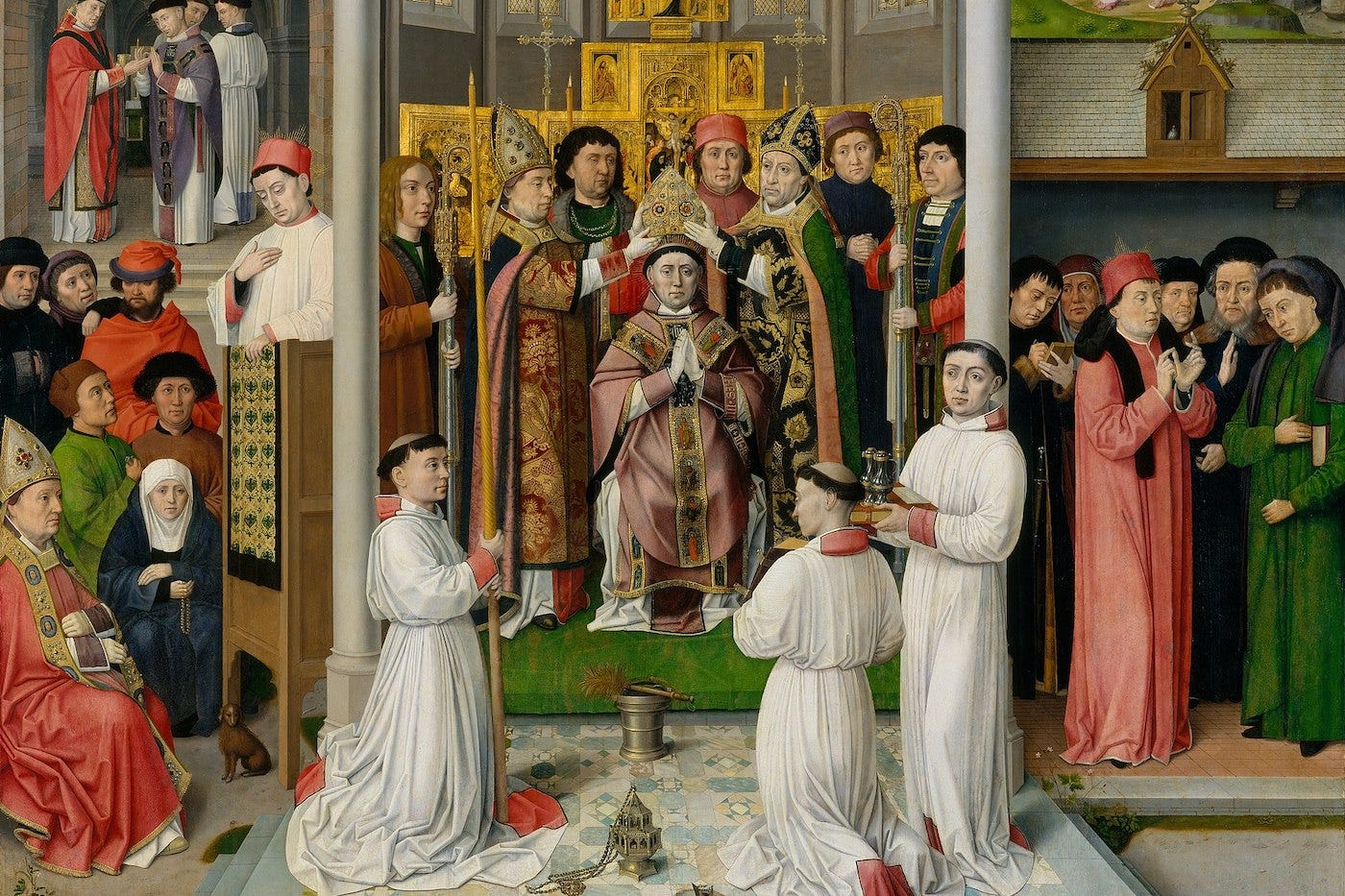
If civilization is ultimately the product of human beings pursuing what they believe to be good, then the preservation of civilization cannot simply be a matter of better laws, stronger institutions, or more competent rulers.
Instead, it requires the formation of human beings who love what is actually good.
Politics, in other words, ultimately depends upon anthropology, and anthropology ultimately depends upon the question of what man loves.
We recognize then that The City of God is much more than a book about the fall of Rome, but ultimately Augustine’s attempt to answer the greatest questions of man’s existence, purpose, and proper ordering of the political:
What is man?
What is a civilization? Why does man need it?
Why do civilizations rise and fall?
What should we love?
And what happens to a society when its people love the wrong things?
Augustine’s answer is that history is ultimately the story of two cities formed by two loves.
And if you want to understand the heart of man, and therefore the nature of civilization, there may be no better place to begin.
And if you are looking for a place to put that approach into practice with others, we just crossed 60,000 readers over at the Athenaeum Book Club!!
We had no idea so many people would want to be part of this project, but here’s why we think it’s happening:
Our discussions offer unmatched depth, understanding, and transformation that you cannot find anywhere else online. We don’t just read books to check off a list, but to train ourselves in the same loves Augustine preaches — a love of the True, Good, and Beautiful, or God.
What our members are discovering en masse is that a love of literature can fundamentally transform your soul if you allow it to. Such a transformation doesn’t only make life more meaningful, but helps form you into the mold Augustine believes makes for a truly beautiful civilization.
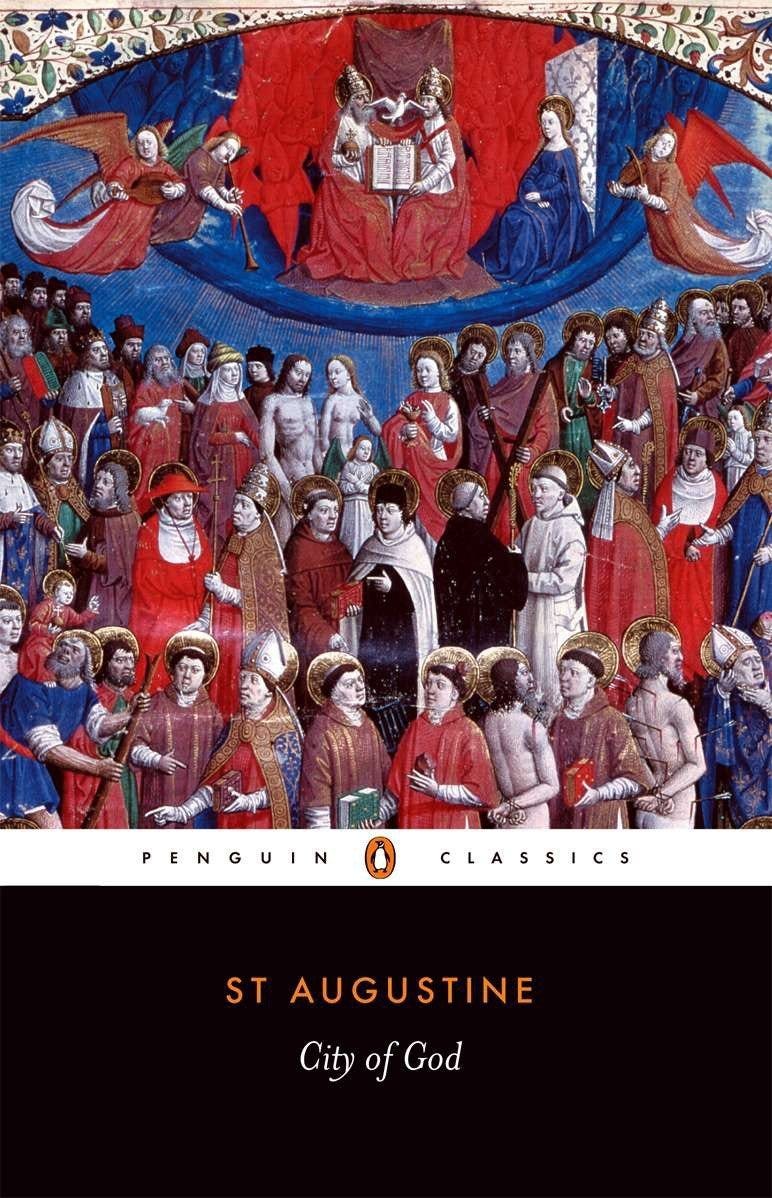
We are about to begin our read through of Augustine’s City of God ourselves over the next 6 weeks — and I’ll personally be leading the discussions. This will undoubtedly be one of our most important read-alongs so far.
The first discussion, focusing on Books 11, 12, and 14, is on September 15, at noon ET. Please join us (remember, all sessions are recorded if you can’t make it live)!
Note: you don’t have to have read all of Books by then, but the more you have read, the more you’ll get out of the session.
Thanks to every one of you for being here and making it possible for us to do this work.
If you’re new here, definitely join our book club discussions if you can. They take place biweekly, and have been nothing short of electric of late. And if you can’t make it, everything is recorded!
I have a balanced but limited expectation about what political action can accomplish in a sinful world that will one day pass away, and so it is much easier for me to put my faith in God, the creator of all things, even political.
St. Augustine’s Two Cities reminds me of the Shield of Achilles from the Iliad, as well as the Lord’s Prayer passage “On Earth as it is in Heaven.”❤️🔥